
Major update on plans for iconic Grade II-listed listed Marsh Mill in Thornton
“Marsh Mill is considered an exceptionally complete example of a tower windmill in a national context and is thought to be the only mechanically complete example of its type in North West England.”
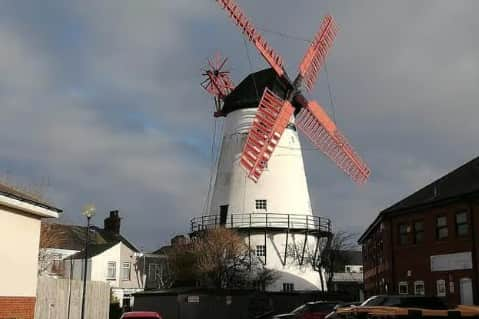
Thornton’s much-loved and iconic Marsh Mill looks set to undergo further extensive restoration work.
Last year the mill, one of the Fylde coast’s landmark buildings, entered a new chapter as Wyre Council’s 25-year lease of it concluded, with final maintenance and restoration work being carried out.
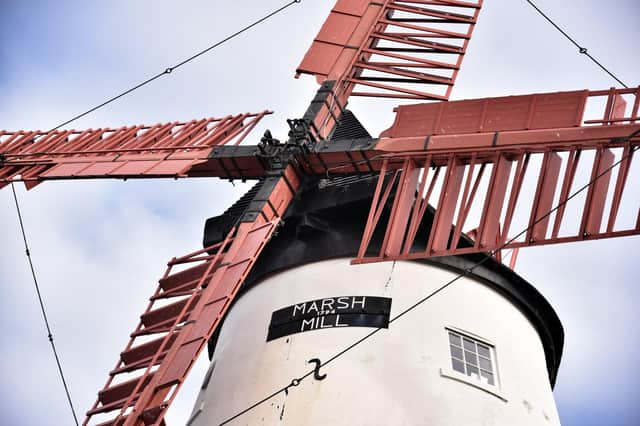

Now a planning application has been lodged with Wyre Council for Listed building consent for the temporary removal and secure storage of existing sail boards and shutter assemblies, including repair and maintenance works.
If any Listed building requires renovation work, an application for Listed building consent is always needed, to protect the heritage asset from works that could be potentially harmful.
A list of the intended works is also included in the application, which names Wyre Council as the applicant.
During part of Wyre’s lease tenure, the building was transformed into a museum-style attraction, with volunteers on hand to inform visitors of its history.
The mill has been closed to the public for some time but calls have been made for the mill to be re-opened once work has been fully carried out.
The Grade II listed structure, built in 1794 by millwright Ralph Slater for landowner Bold Hesketh, was under the council’s stewardship from 1999, after being sold to Melrose Development Services for £1.4 million with a long-term lease agreement which officially ended last year.
But final works are still being completed by the council.
What planning statement says
A planning statement, in support of the application, says: “Historic England identifies Marsh Mill as a late eighteenth-century tower windmill with attached kiln house.
“The mill retains extensive historic machinery and was restored to working order between 1986 and 1990.
“Marsh Mill is considered an exceptionally complete example of a tower windmill in a national context and is thought to be the only mechanically complete example of its type in North West England.
Enjoy unlimited access to local news, the latest football stories and new puzzles every day
With a digital subscription, you can see fewer ads, enjoy faster load times, and get access to exclusive newsletters and content. Click here to subscribe
“The architectural significance of Marsh Mill derives from its importance as a rare and substantially complete late eighteenth-century tower windmill, including its brick tower, rotating cap, patent sails, reefing stage and attached kiln house.”
The Statement says the proposed works provide a number of conservation benefits, including: safeguarding historic sail boards and shutter assemblies through secure storage; preventing uncontrolled failure and loss of historic fabric; repairing deteriorated timber components using like-for-like materials and methods; repairing and stabilising sections of the reefing stage; replacing defective weather beam fixings, bolts, shackles and associated sail hardware.
The statement adds: “The works will assist in securing the long-term preservation of Marsh Mill while addressing important public safety considerations.”
Melrose view
Managing Director of Melrose Development Services, Rob Chadwick previously said: “The mill has been well maintained over the past 25 years and as long as the necessary work is kept up every few years, it means that it doesn’t fall into disrepair and won’t need any major work done to it.”
While the future of Marsh Mill under Melrose’s ownership remains undecided, the company also owns the surrounding Marsh Mill Village retail complex, suggesting potential integration of the historic site into broader commercial plans .
Marsh Mill stands as a testament to Lancashire’s rich industrial heritage.
Once operational until the 1920s the windmill underwent significant restoration.
That included the installation of new sails and repairs to its roof and fantail, leading to its removal from the Heritage at Risk register in 2012.
Wyre Council says that, as a protected heritage site, Marsh mill’s future will continue to be safeguarded by Historic England.
The Council will no longer have direct control, but the Mill’s preservation is still ensured through legal obligations.
As the mill transitions back to private management local residents and heritage enthusiasts await announcements regarding its accessibility and role within the community.
Once the handover is complete, Melrose Development Services will be responsible for maintaining the Mill.
Wyre Council was approached for a comment on the latest developments.