
Garstang Community Academy ‘requires improvement’ as Ofsted says 'morale of some staff is low'

An academy in Lancashire was told it “required improvement” following its latest Ofsted report.
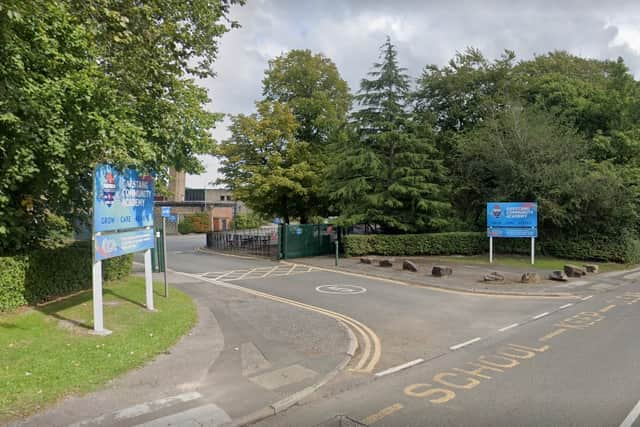
Garstang Community Academy on Garstang Road was inspected by the education watchdog between March 26 and 27.
In a report published on July 17, inspectors said the school, which cares for 821 pupils aged between 11 and 16, “required improvement in all areas - the academy was previously rated “good”.
This included the quality of education, behaviour and attitudes, personal development and leadership and management.

What does it mean if a school requires improvement?
A school judged as requiring improvement at its last inspection is a school that is not yet good but overall provides an acceptable standard of education.
The school will receive a graded inspection again within a period of 2.5 years.
What did inspectors find?
Inspectors said “pupils’ enjoyment of school has increased in recent times,” and “most show a keen interest in learning”.
It was also found that pupils respond well to the school’s raised expectations for their academic outcomes.
However, some pupils were “not benefiting from the positive changes to the curriculum as quickly as they should.”
“This is because some of these changes have been implemented too slowly,” the report added.
Pupils were typically polite during the inspection and showed respect to staff and to each other.
The new behaviour systems were also followed well by most staff, leading to improvements in pupils’ behaviour.
However, a small proportion of pupils continued to misbehave.
Inspectors found the school has worked with the trust to enhance the strategies used to tackle bullying.
Nevertheless, it was found some pupils, including those with special educational needs and/or disabilities (SEND), did not feel confident in reporting their concerns to teachers.
The report said: “This is because they feel that the issues they raise would not be resolved effectively.”
What does the school do well?
Inspectors found that reading has a high priority.
Pupils who find reading difficult receive the support that they need to help them read successfully.
Pupils also understood and responded to the school’s ‘grow, care and achieve’ values positively, meaning they “generally behave well”.
The school’s personal, social, health, economic education (PSHE) curriculum had also been successfully redesigned.
The report said: “Pupils develop a strong understanding of healthy lifestyles.
“They know how to keep themselves safe from drugs and harmful social situations.”
Inspectors also found the members of the local governing body and the trustees know the school context
This helped them to challenge and support the school.
What does the school need to improve?
Inspectors found the school’s collaborative work with trust experts meant the quality of education had begun to improve.
This had helped the school to start to rebuild the trust of some stakeholders.
“However, at times, the changes to the schools’ policies and systems have not been communicated effectively,” the report added.
“As a result, some pupils, parents and carers have negative perceptions of the school. The morale of some staff is low.
“These staff are not assured by the school’s work to manage their workload.”
In some subject, teachers did not identify and address gaps in pupils’ learning well enough.
Inspectors found this hindered some pupils, including disadvantaged pupils, from learning new content successfully.