
Blackpool Council monitoring risks to children's education as number of home-schooled kids continues to rise
“The number of children recorded as Electively Home Educated has increased significantly over recent years. “
The number of home-schooled youngsters in Blackpool has continued to rise, the latest report says.
Blackpool Council is monitoring some of the key risks associated with home schooling, but the report says increasing number of these children are also returning to mainstream schools.
The figures for Electively Home Educated (EHE) youngsters, another term for home schooled, were 604 in June 2024, 726 in July 2025 and 768 in July 2026.
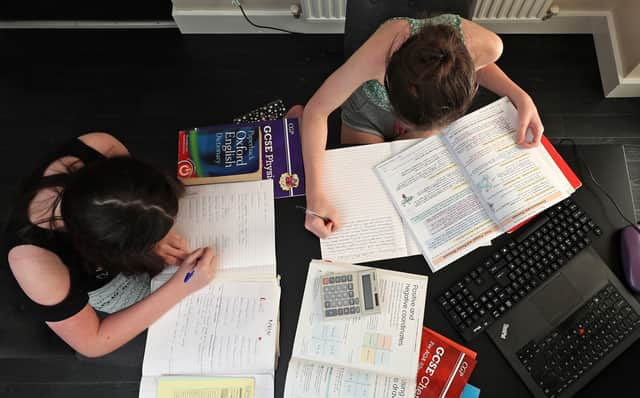

The Council has statutory duties to ensure children educated otherwise than at school receive a suitable education and to arrange education under Section 19 where pupils are unable to attend school. Section 19 of the Education Act 1996 requires local authorities to arrange suitable, full-time (or part-time if medically required) education for children of compulsory school age.
This duty applies when a child cannot attend a normal school because of serious illness, permanent exclusion from school or other reasons,including unmanaged bullying.
The latest report, for Blackpool Council’s Children and Young People’s Scrutiny Committee meeting this week, says: “The number of children recorded as Electively Home Educated has increased significantly over recent years.
“This represents an increase of 28 percent over the three-year period. The rate of growth has slowed during the most recent year to 5.8% growth but the overall trend remains upward. Parental choice continues to be the primary reason for electing to home educate, accounting for more than 97% of EHE registrations.
“The number of children returning from EHE to formal educational provision has increased significantly, rising from 93 in 2022/23 to 165 in 2025/26, an increase of approximately 77 percent. It shows that 121 children returned to secondary school; 24 children returned to primary school; and Smaller numbers progressed into specialist provision, Education Otherwise Than At School (EOTAS) and alternative provision arrangements.
“This demonstrates that EHE is not necessarily a permanent educational pathway and that increasing numbers of children are re-engaging with formal education.”
Destination information shows that children and young people leaving EHE progress to a range of educational destinations including: mainstream primary and secondary schools; Further Education providers, including Blackpool and The Fylde College; Blackpool Skills Academy and other training providers.

All the latest news and top stories from across Blackpool and the Fylde coast directly to your phone.
Never miss a thing. Click here to join
What are the key risks?
The report says: “There are a number of key risks and concerns associated with these Elective Home Education trends. Continued growth in EHE numbers increases demand on monitoring, engagement and safeguarding functions. Increased numbers of Electively Home Educated children places additional pressure on School Attendance Order and enforcement processes.
“There remains a risk that children may become less visible to services where engagement with the Local Authority is limited. Increasing cohort size creates workforce and capacity pressures.”
The council continues to actively discharge its statutory responsibilities where concerns arise regarding the suitability of education being provided. The progression of cases through the School Attendance Order process demonstrates active intervention by the Council.
A School Attendance Order (SAO) is a legal notice issued by a local authority under when a child of compulsory school age is not receiving a suitable, full-time education and is not registered at a school. The report adds: “Whilst many matters are resolved through engagement with families, a significant number require formal enforcement action.”