
Beach groynes plan for Blackpool could stop us saving lives, says RNLI after major update on project
“The development would hamper lifeboat operations.”
Blackpool’s RNLI sent a powerful message to planners that proposed rock groynes could directly lead to lives being lost in the sea.
Steve Fitzgerald, chairman of Blackpool Lifeboat Station, said that if the groynes had already been in place this year, the successful rescue of two young brothers off South Pier would probably have been impossible.
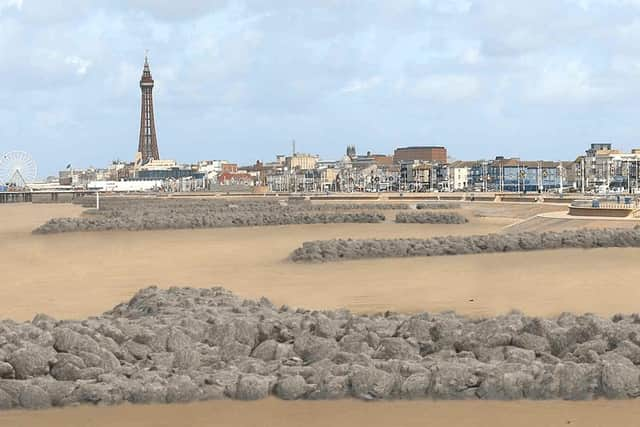

It came during a critical meeting of Blackpool Council’s planning committee this week when councillors considered controversial proposals to install 17 rock groynes on the southern end of Blackpool’s beach .
The groynes scheme, put forward by Blackpool Council itself, has been proposed as critical to the protection of the town’s coastline and its famous golden sands, said to be at risk of gradually being lost to erosion.
But more than 60 people, including the RNLI, have objected to the application, which seeks consent for coastal defence works comprising of installation of 17 rock groynes and associated works including cross-over ramps, revetment tie-in structures and temporary construction compounds.
The planning committee was recommended to support the proposal and delegate approval to the Head of Development Management, subject to confirmation that the scheme would not result in any likely significant effects in accordance with Environmental Impact Assessment Regulations.
But after a lively debate, councillors decided to defer the application to a later date to allow for further details to be made available.
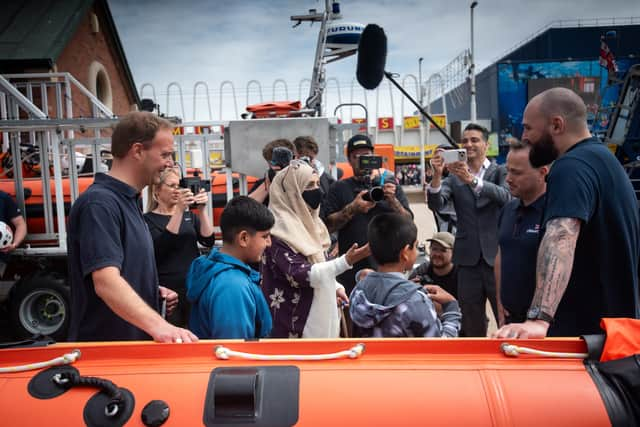
During the meeting Mr Fitzgerald was among the speakers objecting to the existing plans, and called for the scheme to be deferred for five weeks.
Criticising the accuracy of the planning officer’s report, he said: “The RNLI’s purpose is saving lives at sea. This objection is based solely on public safety and is supported nationally in the RNLI.
“Our concern is not just for residents, but also for Blackpool’s 23 million annual visitors, many unfamiliar with coastal hazards. That scale makes this promenade frontage unique.
“The development would hamper lifeboat operations. In the recent rescue of children from South Pier, two senior helms with over 60 years’ local experience confirmed these groynes would have seriously hampered, or possibly prevented, that successful outcome.
“With our experience at Cleveleys, operating directives to attending crews is to remain 50 metres off the groyne ends. With the Blackpool scheme, at high tide with waves, our worst-case operating area could begin around 150 metres offshore, if we can launch at all.
“That leaves serious rescue-capability gaps with nothing identified to fill them, and that has not been dealt with anywhere in the officers report.”
Among the 56 people who lodged objections were councillors Gerard Walsh, who has been a vociferous opponent of the scheme, Julie Sloman and Jon Morgan.
Cllr Sloman said: “I would earnestly request that no decision is taken tonight and we stay the application to allow the committee to make a fully informed decision, by paying a site visit Rossall beach and Cleveleys, to see just what we would be signing up to and being given further technical information to support a softer engineering option.”
A report by the planning officer stated: “Blackpool Council -the applicant – has been allocated funding from the Environment Agency to construct new rock groynes on the beach which would trap sand and stabilise the beach.
“The design of the scheme has been informed by knowledge gained by the applicant and their consultants in constructing neighbouring coastal defence/management schemes.
“The scheme would reduce the risk of coastal erosion and flooding by helping to stabilise the existing revetment, reduce overtopping from the sea and stabilise and retain the upper beach.
“The scheme is anticipated to be constructed by Balfour Beatty over a 31-month duration between Autumn 2026 and June 2029.”
Cllr Jane Hugo, Blackpool Council Deputy Leader and cabinet member for climate change, previously said: “This scheme is essential for securing Blackpool’s future as both a great place to live and a much‑loved seaside destination.
“If we don’t act now, we risk losing our beach forever and increasing the threat of flooding to our communities.
“This scheme will safeguard homes and businesses while protecting our coastline for generations to come.”