
Blackpool Council defends controversial new beach groynes amid safety concerns
“We engaged a master mariner with extensive experience in training RNLI small boat crews.”
The council have insisted they have worked hard to ‘identify appropriate safety mitigations’ amid opposition to new rock groynes being installed on Blackpool Beach.
Concerns regarding the new groynes come as an inquest is being held into the death of a woman who drowned after falling and getting her head stuck in rock groynes last year. Saffron Cole-Nottage, 32, was walking with her daughter and dog at the base of the sea wall in Lowestoft, Suffolk, in February 2025, when disaster struck.
Enjoy unlimited access to local news, the latest football stories and new puzzles every day
With a digital subscription, you can see fewer ads, enjoy faster load times, and get access to exclusive newsletters and content. Click here to subscribe
She slipped and her head became jammed in the rocky flood defences, Tragically, she lost consciousness and was dead when fire officers attempted to rescue her 40 minutes later. Blackpool Council have said that rock groynes are safely used in the UK and internationally to help tackle coastal erosion and are proven to be an effective solution.
The groynes trap and retain sand on the beach and can also support local biodiversity by creating new habitats, but a councillor opposing the scheme has nevertheless called for the application to be re-considered by a full meeting of Blackpool Council.
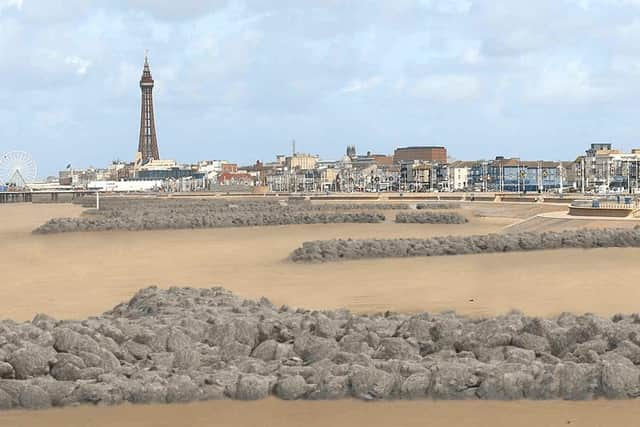

‘The most effective way to prevent coastal erosion.’
The Royal National Lifeboat Institution (RNLI) has registered their opposition in a 32-page document which will be discussed by councillors next month. They claim the plan to build 17 groynes as part of the £57m Blackpool Beach Management Scheme could put people in danger.
The scheme aims to protect homes and businesses from coastal erosion, but opponents say other measures, such as traditional wood groynes, should be considered. In response to the RNLI, the council said: "The construction of rock groynes on the beach is vital for our sea defences. They are the most effective way to prevent coastal erosion."
The RNLI said it was 'unable to support the application' to build the groynes in a resort visited by millions of tourists, saying that rescuing anyone from the groynes 'presents considerable challenges for lifeboat crews and others, putting both crews and the lifeboats at risk.’
But the council replied: "We engaged a master mariner with extensive experience in training RNLI small boat crews to work with local rescue teams on best practice for sea rescue around rock groynes and to identify appropriate safety mitigations."
‘You can put up signs, but it doesn't mean people will pay attention’
Rock groynes are used to create headlands which trap and retain beach sand, creating a bay sheltered from wind, waves and tidal currents. The council says the project will protect 6,000 households from erosion and flooding.
However former Tory Squires Gate councillor Gerard Walsh believes the council should rethink the scheme, especially in light of the tragedy in Suffolk. Coun Walsh, who this week defected to Reform UK, supports the RNLI's assertion that the groynes are potentially dangerous.
He said: "We are all saying these things are a danger to people, especially youngsters. I believe the council should take on board the RNLI's concerns and consider other options like traditional wooden groynes.
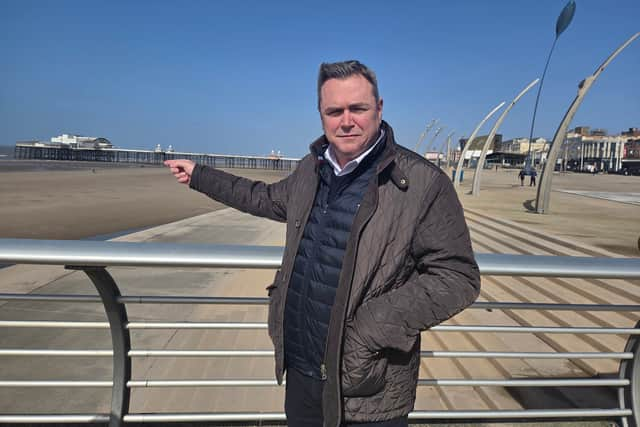
"You can put up signs telling people to stay off the rocks, but that doesn't mean they will pay attention.
"Children will be especially vulnerable to getting into trouble. The opposition to wooden groynes is that they need to be replaced every 10-15 years, but surely the safety of locals and visitors to Blackpool should be the major consideration.
"I believe the proposal should go back to the full council in view of the latest tragedy and the RNLI's opposition to the scheme."
All the latest news and top stories from across Blackpool and the Fylde coast directly to your phone.
Never miss a thing. Click here to join
What the council says
Cllr Jane Hugo, Blackpool Council Deputy Leader and cabinet member for climate change, said in March: “This scheme is essential for securing Blackpool’s future as both a great place to live and a much‑loved seaside destination. If we don’t act now, we risk losing our beach forever and increasing the threat of flooding to our communities.
“This scheme will safeguard homes and businesses while protecting our coastline for generations to come.”
Inquest latest
The inquest into mum-of six Ms Cole-Nottage's death is due to last another week. The hearing at Suffolk Coroner's Court was told the Lowestoft local was on a seaside walk when she slipped and fell headfirst into the rocks of the town's sea defences.
Her head became stuck and passers-by were unable to get her out. Only her legs were visible above the rock groynes. By the time the emergency services arrived, she was unresponsive. The coroner gave her cause of death as drowning.