
Grief touches every life – it’s time we talked about it

This article contains affiliate links. We may earn a small commission on items purchased through this article, but that does not affect our editorial judgement.
Grief is not isolated or rare it touches almost everyone. Research suggests that for every death, as many as nine people may be deeply affected. The ripples of loss spread through families, friends, workplaces and communities.
As National Grief Awareness Week (2–8 December) approaches, it’s a timely reminder to reflect on how we understand, express and support those navigating loss.
Grief is the emotional, cognitive and behavioural reaction to a significant loss, most often the death of a loved one, a family pet, the end of a relationship or even the loss of a job. It can bring sadness, anger, guilt, confusion, yearning or even relief. Physically and mentally, it may show up as fatigue, changes in appetite, disturbed sleep or difficulty concentrating. For most people, the intensity eases over time, but for some it persists and disrupts daily life, a condition now recognised as Prolonged Grief Disorder (PGD).
In the UK, the charity Child Bereavement UK reports that around 46,300 children lose a parent each year – about 127 children every day. Among adults aged 18 to 35, 77% say they’ve experienced a death, yet 39% feel uncomfortable talking about it. In workplaces, around one in four employees have been bereaved in the past year.

These figures show that grief is not rare or private, it’s a universal experience that often remains hidden.
Consider someone who loses a partner suddenly. Their world shifts completely. They may not only grieve the person but also their routines, identity, and sense of meaning. Social isolation can follow, as friends may struggle to know what to say. Research shows that 39% of people bereaved during the pandemic had difficulties getting support from family or friends.
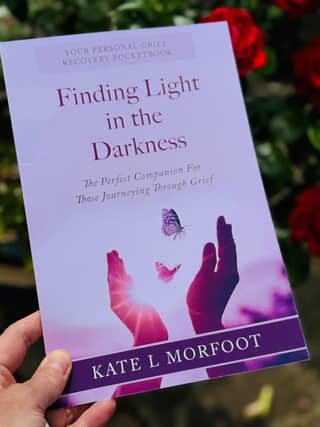
So how can we face grief with more understanding and compassion? Here are some suggestions, many explored further in my book Finding Light in the Darkness.
Name and honour your grief. Acknowledge the loss – however big or small – to validate your experience rather than suppress it.
Allow small moments of connection. Talking with someone who understands loss, perhaps through a peer group, can often feel safer and more healing than general conversations.
Create rituals or memory spaces. Lighting a candle, planting a tree, or writing a letter can provide a gentle outlet for grief and help anchor memories.
Take care of body and mind. Grief affects physical health too. Pay attention to rest, nutrition and gentle movement, and ask for help when you need it.
Build new meaning gradually. Grief often brings identity change – “Who am I now?” Reflective practices can help you reinvest in what matters, without feeling you have to “move on” or forget.
Recognise when you need extra help. If intense sorrow or yearning continues for many months, or daily life feels unmanageable, you may be experiencing prolonged grief. Around 9% of adults may meet criteria for this. Seeking professional or peer support can make a real difference.
Above all, be patient and kind with yourself. Grief isn’t linear. Some days will feel easier, others much harder. Healing doesn’t mean forgetting, it means finding ways to integrate loss into a changed life.
This National Grief Awareness Week is an invitation to bring grief out of the shadows, to talk about it, to remember those we’ve lost, and to offer and accept support.
While grief is deeply personal, it is also shared. In Finding Light in the Darkness, I hope to offer a companionable hand to those walking this path, acknowledging the darkness, but pointing toward light, however faint.
If you, or someone you love, are navigating grief, you are not alone. Connection, meaning and hope can still grow, even after the deepest loss.
Finding Light in the Darkness is a comprehensive and compassionate guide to navigating the complexities of loss. The book covers the stages of grief, coping strategies, healing, moving forward, and includes helplines for additional support.
Available now on Amazon £6.99, free with Kindle Unlimited, or £4.99 to buy digitally;