
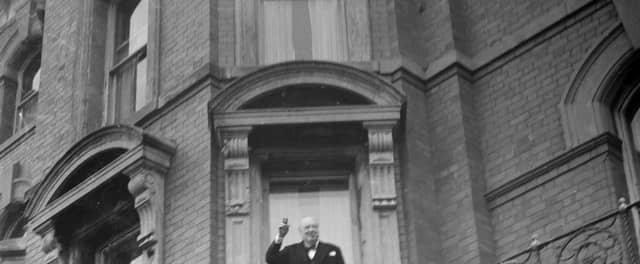


It has been a beacon of luxury for generations and its history is intertwined with the town’s rise as a seaside resort.
Built in the late 19th century, the hotel was designed to cater for wealthy, aristocratic visitors and has had its fair share of famous residents.
Not least those attending party conferences for which the Imperial Hotel was first choice for accommodation. Sir Winston Churchill was a regular visitor and has a suite, where he stayed, named after him.
The hotel has weatered the storms of war and the changing face of Blackpool. Despite challenges, the hotel has alwasy maintained its charm and character and recently scraped back layer upon layer of plaster to reveal it’s stunning Turkish Baths from its days as a ‘hydrotherapy hotel’. Today, it still remains a cherished landmark, a symbol of Blackpool’s rich heritage.
ICYMI: 'I'm amazed these are 50 years old' 31 prominent pictures of 1970s Blackpool which focus on a decade
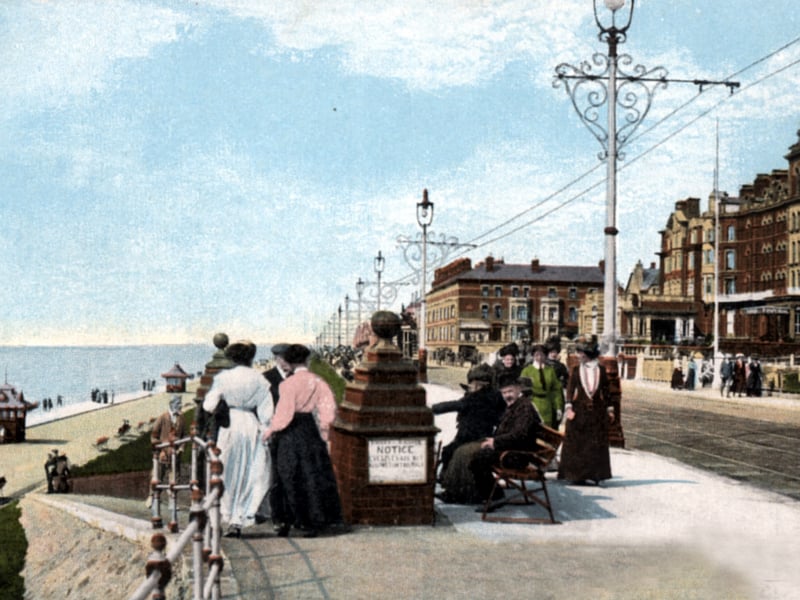
13. Historic Imperial Hotel
Claremont Park was the name given to the promenade opposite the Imperial Hotel, Blackpool in 1904 | National World
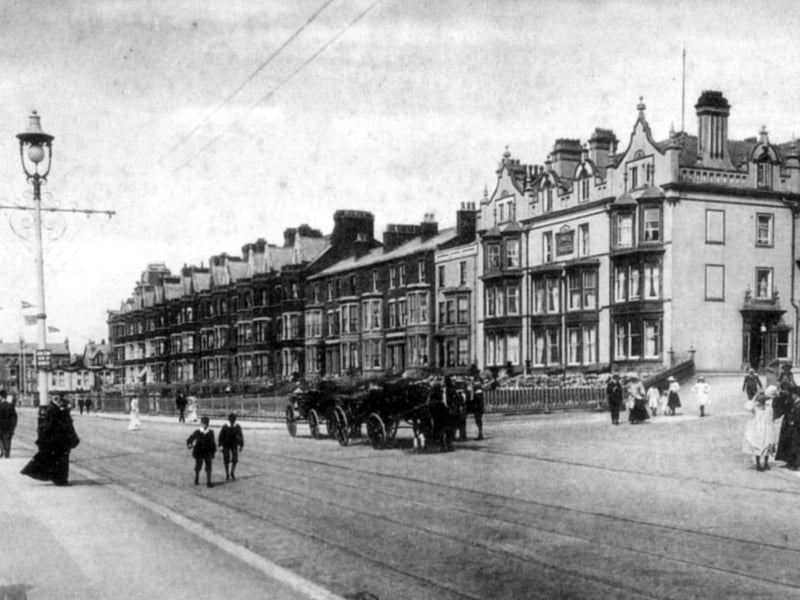
14. Historic Imperial Hotel
The promenade has never looked as sedate as in this early view of Imperial Crescent with landaus instead of cars and young boys strolling along the open road . The crescent remains recognisable today, with the hotels sporting bright rendering , modernised ground floor fascades and off-street parking.. The road to the right leads to the junction of Dickson Road and Pleasant Street and just visible at the end of the crescent is the Palm Court Restaurant and the "turret" roof of the Imperial Hotel can just be seen | National World