
Lake District chiefs warn Bank Holiday visitors as fly camping crackdown ramps up

National park authorities are bolstering efforts to combat fly-camping, littering, and dangerous parking as the Lake District prepares for an influx of visitors over the upcoming Bank Holiday weekend.
The Lake District National Park Authority (LDNPA) is increasing its vigilance against illegal activities following a summer marked by abandoned tents, litter, and dangerous campfires.
Images from recent months have depicted discarded beer cans, condoms, and camping equipment in remote areas, while rangers have intercepted individuals burning fires on dry ground, posing significant wildfire risks.
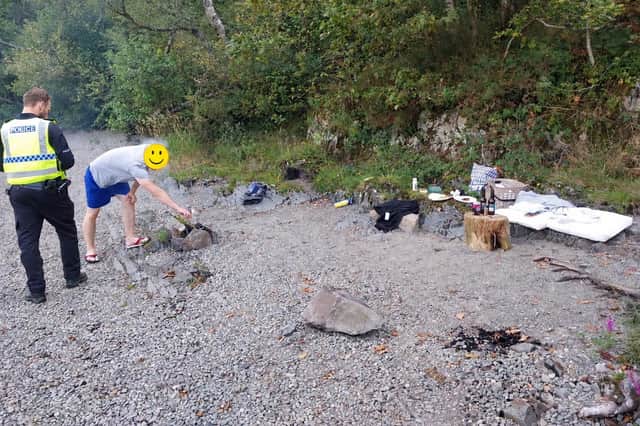

Steve Tatlock, LDNPA Ranger Team Leader, highlighted a noticeable rise in fly-camping, littering, campfires, and hazardous parking during peak visitor periods, including the approaching Bank Holiday. He stressed that while the majority of visitors demonstrate respect for the environment, adherence to the Countryside Code is crucial for preserving the landscape.
Enjoy unlimited access to local news, the latest football stories and new puzzles every day.
With a digital subscription, you can see fewer ads, enjoy faster load times, and get access to exclusive newsletters and content. Click here to subscribe
Wild camping is generally prohibited without prior permission from landowners. Although single-night stays are sometimes tolerated if campers leave no trace and pitch away from residential areas, lakes, fields, and woodlands, failure to observe these guidelines constitutes fly-camping. Offenders found leaving rubbish can face a £100 fine under Public Spaces Protection Order (PSPO) regulations.
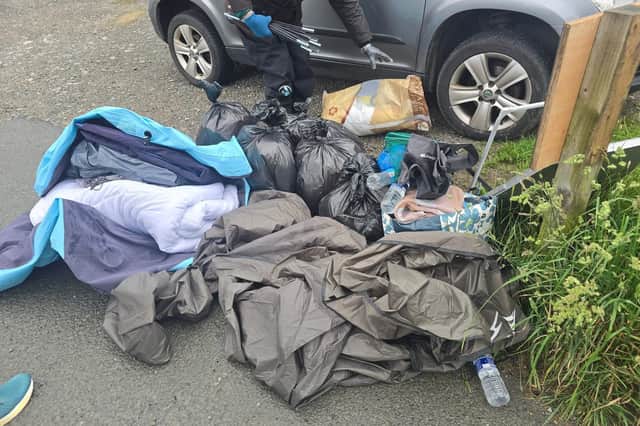
Local residents have voiced growing frustration over the escalating illegal activity. Hayley Webb, an outdoor instructor based near Derwentwater, described fly-camping as an "epidemic" and advocated for more stringent penalties. Clive Rowlandson, a lifelong resident of Ullswater, lamented the visual blight of illegal campsites, citing damage such as scorch marks, human waste, and tree felling, which deters locals from enjoying the area.
Joint operations involving rangers and Cumbria Police have addressed incidents of vandalism, including graffiti and damage to trees. A recent enforcement action resulted in fines for a couple discovered fly-camping with a large fire on dry peat, causing environmental damage.
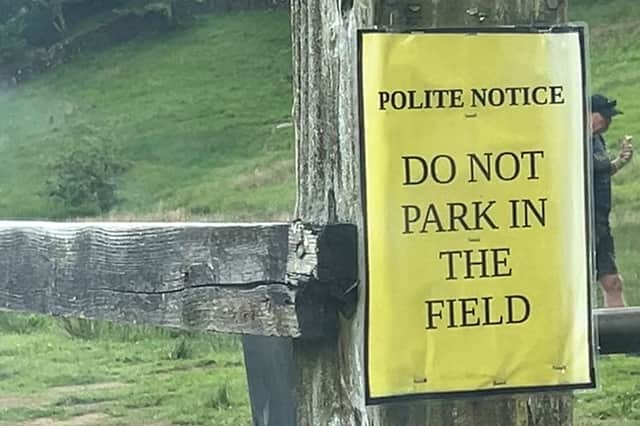
Scott Cameron from Cumbria Fire & Rescue has urged visitors to avoid disposable barbecues and opt for picnics instead. Persistent parking issues have also been highlighted, with one farmer resorting to covering luxury cars with slurry in response to illegal parking and abusive behaviour.
Cllr Andrew Jarvis of Westmorland and Furness Council acknowledged the responsible conduct of most visitors but warned against the disruption caused by illegal parking and antisocial behaviour. Over 30 parking tickets were issued last weekend alone.

Cumbria Police have reiterated the importance of considerate parking to ensure emergency services and traffic flow are not impeded. Mr Tatlock confirmed that the National Park Authority and its partners are maintaining ongoing patrols and educational initiatives to mitigate fly-camping and irresponsible parking, which not only harm the environment and local communities but also divert essential resources from conservation efforts.