
Serious concerns raised regarding explosion of ketamine use in Blackpool and wider Lancashire
Professionals are warning that ketamine use among young people in Blackpool and across Lancashire is on the rise.
Recovery practitioners say the drug’s low cost and easy availability, combined with its growing presence in youth culture, mean more young people are experimenting with the substance, often without fully understanding the consequences.
However, with limited education about the risks of ketamine, these young people are vulnerable to serious health harm, with Lancashire Police acknowledging the increase in ketamine use but warning people of the lesser-known health implications associated with the drug.
What is ketamine?
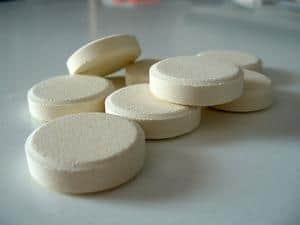
Ketamine is a dissociative anaesthetic initially developed for medical use, but increasingly misused recreationally. It can distort perception, cause hallucinations and make users feel disconnected from their surroundings.
However, persistent recreational use can have serious health consequences. Chronic abuse has been linked to bladder and kidney damage, liver problems, neurological issues, increased heart rate, seizures, high blood pressure and respiratory complications.
Even short-term effects can include disorientation, nausea, vomiting and difficulty concentrating, while repeated use can lead to addiction or become a gateway to harder drugs.

Health professionals seeing long-term effects
Mollie Wilson, a recovery practitioner at Horizon Blackpool, said her service is now seeing the long-term impact among those who began using ketamine several years ago.
She said: “We have seen a massive increase. In our over-25s service, people who have been using ketamine for six years or more are now suffering neurological problems and serious bladder damage.
“That’s why it’s only now coming to light - the young people using it currently often don’t experience symptoms straight away.”
Across the UK, a multi-university study of coroner’s reports in England, Wales and Northern Ireland between 1999 and 2024 found there were 696 deaths with detections of illicit ketamine in that five year time period, highlighting a steep rise in ketamine-related fatalities.
Mollie Wilson added that ketamine use is mostly appearing as a healthcare issue rather than criminal behaviour.
She said: “We’re seeing hospital admissions and GP visits for bladder damage, not antisocial incidents. We’ve seen patients as young as 14.”
A parent speaks out
A Fylde coast mum-of-two believes that not enough is known about the problems associated with ketamine misuse and how it can wreak havoc on the health of those who get hooked on it.
She wants better education about the issues, including schools, so that the signs can be spotted and the dangers made clear.
The mum, who we are not naming to protect the privacy of her vulnerable daughter, says: “I wouldn't wish this thing on anybody. It is so awful for those who get hooked and so devastating on their loved ones.
She said: “My daughter got hooked on it while still at sixth form. She wanted to go to university and was doing well.
“But then things changed. We noticed that she had started to become disengaged and completely lost interest in her college work.”
Then the truth came out that her daughter was using ketamine on a regular basis.
The mum said: “We tried everything. We sent her away to her dad’s to break contact with the new people who were using ketamine and supplying her.
“Despite everything, my daughter is still using ketamine. It’s already ruining her dreams and hopes. If she doesn’t stop, the next thing it'll take could be her life, and mine with it. Without my daughter, there is no me.”
Raising awareness
In response to rising concern, Blackpool organisations are taking proactive steps to start conversations about ketamine and other drugs with young people.
Streetlife Charity that supports vulnerable and often homeless young people aged 16-25 in Blackpool is partnering with Blackpool Grand Theatre, artists Parker Words and Adam Martin Brooks to co-produce real-life stories highlighting the realities of ketamine use.
Young people aged 16 to 25 are invited to work with the artists to channel their own experiences into creative pieces aimed at educating peers.
The work will later be developed into theatre performances as part of a storytelling festival in Blackpool with contributors invited to attend.
Mollie Wilson, Recovery Practitioner from Horizon Blackpool (alcohol, drugs and sexual health support for all Blackpool residents), said: “Education and awareness are crucial. If we can engage young people early and steer them away from ketamine, that’s the best way to prevent long-term harm.”
A national issue
Lancashire Police stressed that ketamine use is a growing problem, but not one confined to Blackpool.
A spokesperson from Lancashire Police, said: “It’s well recognised that ketamine use – especially among young people - is a national issue and not one that’s unique to Blackpool or to Lancashire.
“We do a huge amount of work not just in enforcement but in working with partners on prevention and education.
“Using ketamine can seriously harm your health and people, especially young people and teenagers. may be using it without fully understanding the consequences.
“We are working all the time to stop the harm that drugs cause in our communities, but we can’t do this without the information provided by you.
“Help us stop the harm that this drug causes. We urge anyone who has information about ketamine dealing to share that with us so we can take swift and effective action.
“You can call us on 101 or alternatively contact independent charity Crimestoppers on 0800 555 111.”
Help available in Blackpool
Drug and alcohol service, Horizon have set up a weekly support group for those seeking support for ketamine addiction in Blackpool

PROJECT K will provide a completely safe space for current users or people in recovery from ketamine, empowering them to openly speak to each other about the mental and physical symptoms of using ketamine.
The support group takes place every Tuesday at Winstone House, 199 Church St, Blackpool FY1 3TG between 5:30pm - 6:30pm.
Mollie Wilson, Recovery Practitioner at Horizon, said: “The rise is driven by how cheap and accessible the drug is, and by its visibility in music and social circles.
“For many young people, ketamine is their first experience of substances, instead of cannabis or alcohol, and they don’t fully understand the long-term risks, including serious bladder and organ damage.
“There’s a real need for education and awareness, because early use can quickly become a downward spiral.
“At Horizon Blackpool, we run Project K, a weekly ketamine recovery group for anyone over 18, where people can talk openly about the mental and physical effects and realise they’re not alone.
“If we can steer young people away from ketamine early, that’s the best way to prevent long-term harm.”