
Met Office figures show Blackpool is getting hotter and sunnier as council approves new climate response plans
Blackpool is getting warmer - but also wetter - according to the latest climate pattern statistics and the changes could result in more tourists visiting the resort.
.
Figures show temperatures in Blackpool are almost one degree (Centigrade) hotter compared to 60 years ago and there have been more hours of sunshine in recent years.
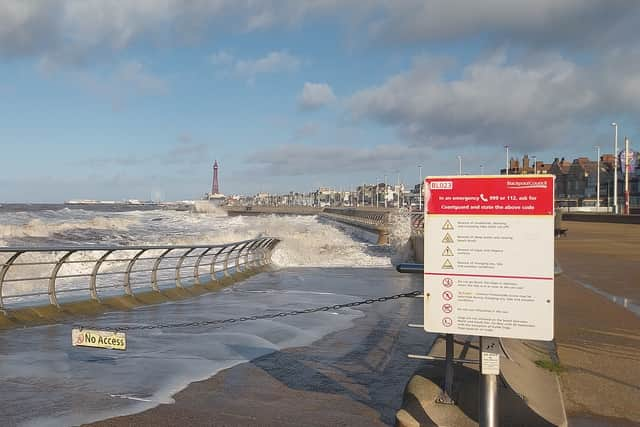

Now councillors have approved a strategy setting out how the council will adapt to climate changes in coming years as the planet heats up.
The Climate Adaptation Plan 2024 to 2029 sets out how different departments and public health will prepare for hotter summers, more rainfall and the possibility of more extreme weather which could lead to flooding.
The strategy, which was approved by Blackpool Council's executive, warns Blackpool is likely to experience the following as a result of climate change:
- Warmer, wetter winters
- Hotter, drier summers
- More frequent and intense weather extremes
- Increased sea level rise.
Climate figures from the Met Office comparing the period of 1961 to 1990 and 1991 to 2020 show average maximum temperatures have increased by 0.81 degrees, and average minimum temperatures have increased by 0.88 degrees.
The figures, which are included in the council's strategy, also show there were 61 more hours of sunshine per year between 1991 and 2020, compared to between 1961 and 1990.
Indicators show slight increases in wind speed and a decrease in the number of days with frost which the report says " indicates that Blackpool has experienced fewer frosty days, which aligns with the general warming trend observed in annual temperature averages."
The strategy sets out a raft of actions which the council and its companies including the Winter Gardens and Blackpool Transport expect to take to ensure they are prepared for potentially warmer temperatures.

This includes expectations of higher visitor numbers if there are more heat waves and ensuring "adequate resource to deal with the increasing number of visitors by having sufficient staffing levels and fit for purpose equipment on the beach and promenade."
More storms could lead to an increase risk to some of Blackpool's historic sites inducing the piers with the council's heritage team saying its duties would include monitoring " the condition of North Pier and report to enforcement/building control any issues as and when they become apparent.
Rising sea levels could also threaten the beaches, with Blackpool Council recently securing a further £11m from the Environment Agency for extended sea defence works in Anchorsholme which will address beach lowering.
Work will include rock groynes, to protect coastal defences, reduce erosion and maintain the beach.