
Blackpool Council reveals new health initiatives as tooth decay rates in resort among UK's worst
“While we know there is still more to do, these improvements show we’re moving in the right direction and closing the gap between Blackpool and the national picture”
Almost a third of five-year-olds in Blackpool have tooth decay, among the worst rates in the country, newly-released figures have revealed.
The rate of 32.1 per cent locally compares to 22.4 across England, according to a survey by the Government's Office for Health Improvement and Disparities
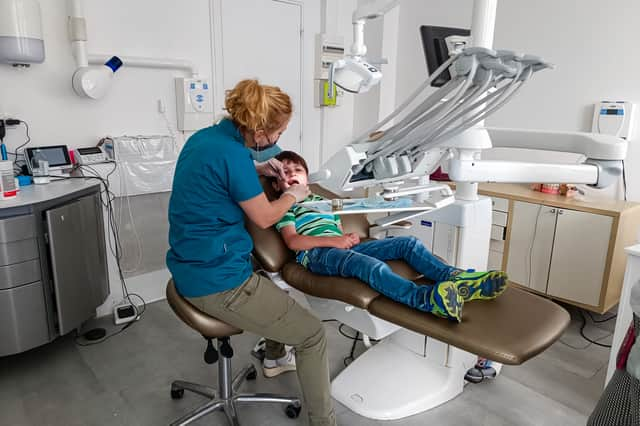
Meanwhile, figures from Blackpool Council have shown that 57.4 per cent of children in the resort saw an NHS dentist in the year to March 2026, below England's average 58.9 per cent, but up from 48.9 per cent two years earlier - and the council says several measures are in place to keep improving the situation.

Enjoy unlimited access to local news, the latest football stories and new puzzles every day
With a digital subscription, you can see fewer ads, enjoy faster load times, and get access to exclusive newsletters and content. Click here to subscribe
Blackpool is one of 23 council areas in England where decay is significantly worse than the national rate and fewer children see an NHS dentist than across England. But Blackpool Council says it runs several different dental health initiatives to reach children of all ages.
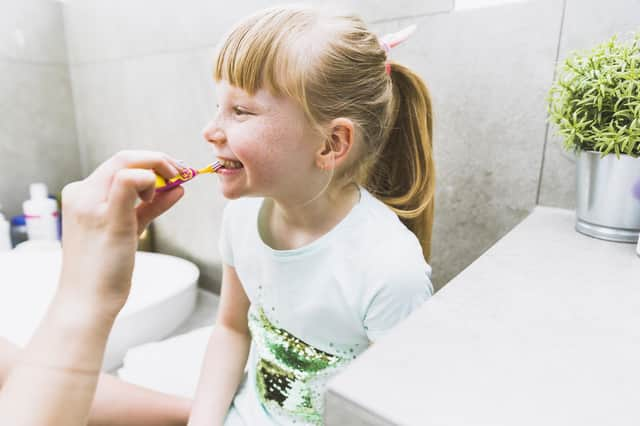
The include the partnership with Better Start, which has enrolled 1,605 younger children on a supervised tooth-brushing programme, delivered via childminders, nurseries and schools, helping youngsters to get into the habit of positive oral health from an early age.
For primary age children, the council says, it continues to provide fluoridated milk in all primary schools as part of the universal free breakfasts provision.
The council’s annual GULP campaign (Give Up Loving Pop) encourages and incentivises children to ditch fizzy drinks and Fit2Go classes, delivered for all Year 4 children across the town, include sessions on oral and dental health.
The council’s Oral Health Strategy for 2023-28 sets out how the council’s Family Hubs and other services work with early years providers, schools, health professionals, community organisations and families, to prevent tooth decay and reducing oral inequalities.
The council also provides oral health education, workforce training, family support, oral health resources, and targeted initiatives to improve access to dental care for families who need it most.
Its annual oral health dental epidemiology survey this year targeted five-year-olds, and will next year seek to understand outcomes for three-year-olds.
Cllr Matthew Thomas, Blackpool Council’s cabinet member for public health, said: “Good dental health is incredibly important to a child’s physical and emotional development – affecting both their health and their self-confidence.
“We’ve put a number of initiatives in place to help children and families to enjoy better oral health, working alongside NHS partners, early years settings, schools and other partners. It’s encouraging to see they’re having an impact.
“Access to NHS dental services has improved significantly in the last two years, from 48.9 per cent of children seeing a dentist in 2023-24, up to 57.4 per cent in 2025-26. While we know there is still more to do, these improvements show we’re moving in the right direction and closing the gap between Blackpool and the national picture.
“Our ambition is to not just reach the national average, but to ensure children in Blackpool have outcomes that are every bit as good as those achieved anywhere else in the country. Improving oral health is a long-term commitment.
“Our progress demonstrates the difference that sustained investment, early intervention and targeted family support can make. We remain determined to build on this momentum and ensure every child in Blackpool has the best possible start in life.”