
Rebellion Festival: The four days that transform Blackpool
Every August, something remarkable happens in Blackpool. Long before the first band takes to the stage at the Winter Gardens, the town begins to change. Colourful mohawks, battle jackets covered in patches and visitors from across the UK and beyond fill the streets, giving the seaside resort a character unlike any other.
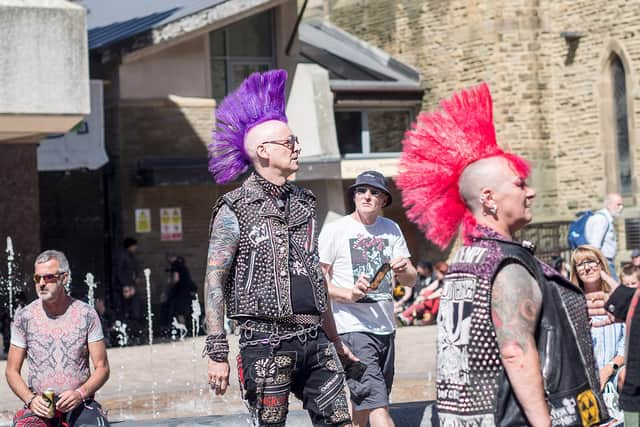

From 6 to 9 August 2026, Rebellion Festival celebrates its 30th anniversary. Held in the historic Winter Gardens, it has grown into the UK's largest independent punk festival, bringing together legendary names including The Stranglers, Buzzcocks, Stiff Little Fingers, Cock Sparrer, Die Toten Hosen, UK Subs, GBH and hundreds of other artists performing across nine stages.
Excitement surrounding this year's anniversary edition has been building for months. Four-day passes and day tickets sold out quickly, leaving many fans still searching online in the hope that someone, somewhere, may no longer be able to attend. With August fast approaching, anticipation continues to grow.
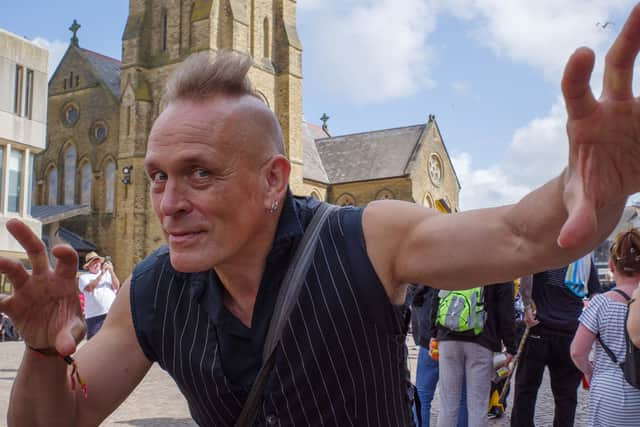
For those fortunate enough to have secured tickets, this year's festival promises not only outstanding live performances but also the chance to celebrate three decades of one of the world's most respected punk events.
Rebellion's story began in Blackpool in 1996 under the name Holidays in the Sun. The festival later moved to Morecambe, where it expanded and earned an international reputation. After a brief return to Blackpool in 2002 and another spell in Morecambe as Wasted Festival, it came back permanently to the Winter Gardens in 2006. Since 2007, it has been known as Rebellion Festival, becoming an annual fixture in Blackpool's cultural calendar.
For local businesses, hotels, cafés and independent shops, Rebellion is also one of Blackpool's busiest weekends of the year, bringing thousands of visitors into the town centre.
While the outstanding line-up remains the heart of the festival, Rebellion is about much more than what happens inside the Winter Gardens.
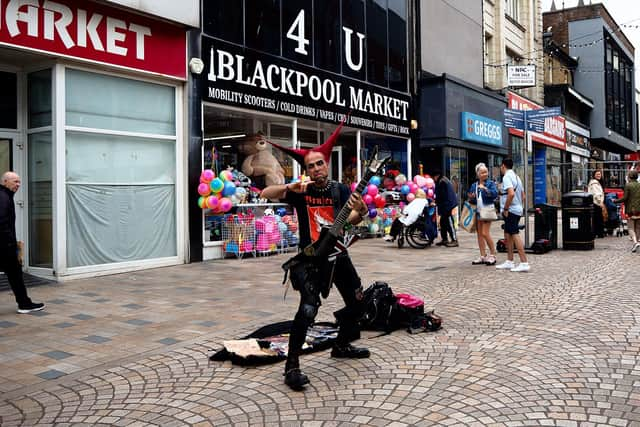
Musicians perform outside shops and cafés, often playing simply for the joy of it or in return for voluntary donations. Conversations about favourite bands and unforgettable performances spill onto the seafront promenade, where festival-goers linger long after the scheduled concerts have ended. For four days, the festival reaches far beyond its official stages, weaving itself into the everyday life of Blackpool.
That is one of the reasons why many people travel to the town even without a festival ticket. They come not to replace the concerts, but to experience the unique atmosphere that has become synonymous with Rebellion. Colourful hairstyles, handmade jackets covered with patches, tattoos and an unmistakable sense of community blur the line between audience and local life. During festival weekend, Blackpool feels like one large gathering rather than simply the location of a music event.
Rebellion has always attracted far more than punk fans. For photographers, it offers an extraordinary opportunity to capture people, personalities and stories unlike anywhere else in Europe. For filmmakers, it is a living portrait of alternative culture. Every face, every jacket and every conversation becomes part of the festival's visual identity.
Thirty years after it first arrived in Blackpool, Rebellion continues to prove that it is far more than a music festival. It is a celebration of music, creativity, friendship and individuality. For one unforgettable weekend each summer, Blackpool doesn't simply host Rebellion—it becomes part of it.