
Fylde Council unanimously votes against tourist tax at full council meeting last night
“The last thing our hospitality trade needs is the administration of an additional tax.”
Fylde Council has boldly proclaimed itself a ‘tourist tax-free zone’ after councillors unanimously voted to reject the proposed charge last night.
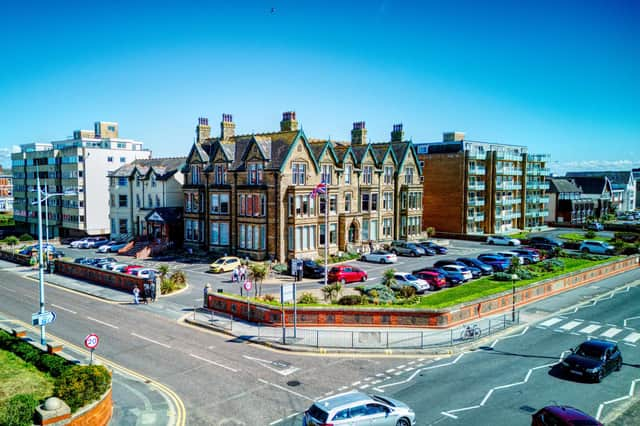

They warn that if the government’s Visitor Levy Bill was to be implemented in the borough, it would have a seriously detrimental impact on the local tourism and hospitality trade.
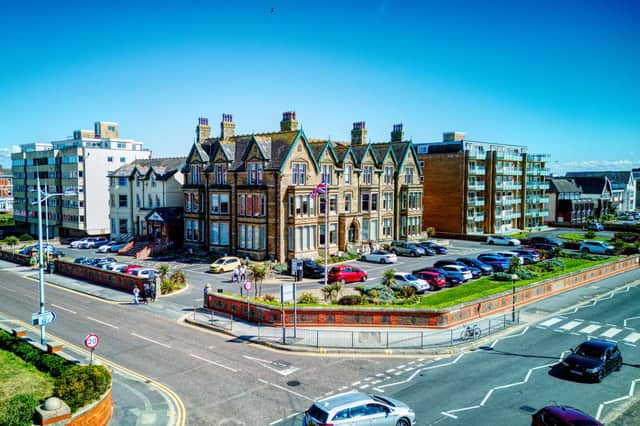
The Bill, whose second reading was passed in the House of Commons on November 16, will offer mayors and council leaders the ability to introduce a small fee on overnight stays in their areas.
The legislation, part of the Labour government’s devolution plans, is now to be examined by the Public Bill Committee next month, with proceedings set to conclude by December 10.
Cllr Michael Withers, a Conservative member for Park ward in St Annes, introduced a motion at Fylde’s full council meeting on Tuesday night, calling on the council to “resist a tourist tax in Fylde and to oppose any attempt to levy such a charge in the borough.”
What they say
He told the meeting: “This Government can’t help itself – its response to everything is to tax, tax and tax again.
“I proposed that Fylde declares itself a tourist-tax free zone. I believe this will be popular with residents and with visitors. We rely on tourists – this is a tourist town. If you tax something, you get less of it.”
The motion was seconded by Cllr Cheryl Little, a Conservative councillor representing Carnegie Ward in St Annes and a former Mayor of Fylde.
Cllr Little, one of seven councillors speaking out against the tax at the meeting, said: “I support this motion. Tourism is a cornerstone of our economy and visitors support jobs and contribute significantly to the progress of our town.
“We must do everything we can to encourage visitors – we are part of a highly competitive visitor economy and any additional costs risk making our town less attractive commercially.
“The last thing our hospitality trade needs is the administration of an additional tax.”
Cllr Chris Dixon, a Conservative member for Ansdell and Fairhaven ward and Lead Member for Health and Wellbeing, added: “It has been reported that 33,000 jobs in tourism in the UK would be lost in the first year if this tax is fully implemented.
“And where would many of those be? In seaside resorts like ours. Who would be most affected? Young people who predominantly work in that industry.”
Councillors unanimously backed the motion and it was therefore resolved to resist the tourist tax in Fylde and to publicise this decision to residents and more widely throughout Lancashire in order to encourage tourism to the resort.
It was further resolved to communicate this resolution to Lancashire MPs, the Local Government Association, Lancashire County Council and other neighbouring councils.
The Government, by contrast, says the Bill will help visitor economies, particularly those in cities served by mayors.
In a statement on the government’s website, it says: “Mayors who choose to introduce a levy will be able to invest in what makes their regions special and improve the visitor experience from better high streets to public spaces – including public toilets and parks, cultural events and security and destination promotion.
“Money raised from visitors will stay in the area, helping attract more visitors, support local businesses and improve places for the people who live there too.
“But the government will continue to protect lower cost family breaks by requiring the levy to be charged as a percentage rate of the cost of accommodation, rather than as a flat fee, meaning those choosing cheaper accommodation will pay less.”