


These fascinating photographs chart the remarkable 132-year history of Blackpool Tower — and for anyone proud to call Blackpool home, they are bound to stir more than a little emotion.
Standing an incredible 518ft above the promenade, the mighty structure remains every bit as commanding today as when it first rose above the town skyline in the Victorian age.
Its story began after Blackpool’s mayor, John Bickerstaffe, visited Paris and was captivated by the new Eiffel Tower. Determined that Blackpool should have a landmark to rival it, plans were drawn up for a tower of its own beside the sea.
The foundation stone was laid on September 29, 1891, with a time capsule buried beneath it - it is obviously still a curious mystery. Designed with Blackpool’s coastal winds in mind, the tower was engineered to sway gently in strong breezes, a remarkably advanced idea for its era. In total, it contains 2,500 tonnes of iron and five million bricks.
Since opening to the public in 1894, Blackpool Tower has become the resort’s most iconic symbol and undoubtedly its most photographed attraction.
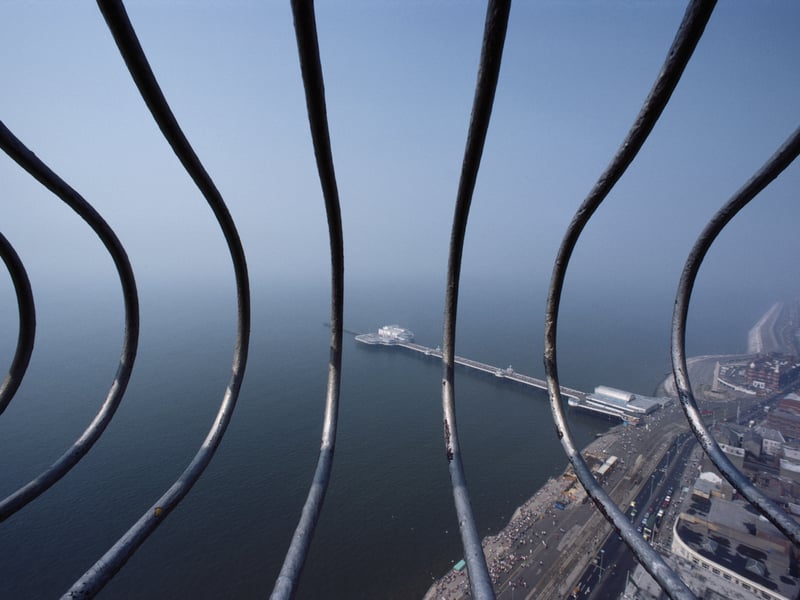
31. Blackpool Tower memories
A view of the pier and coast from Blackpool Tower in 1983. Always offers the best vantage point | Getty Images
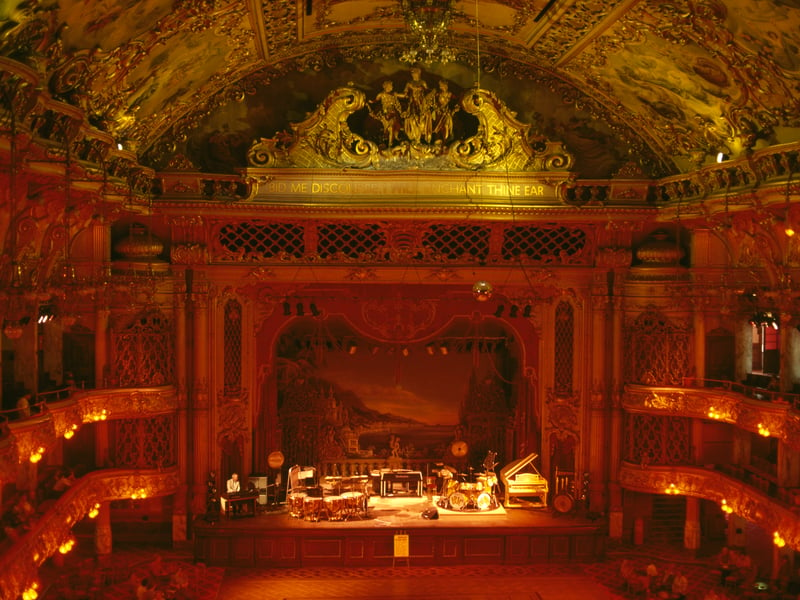
32. Blackpool Tower memories
The elaborate interior of Tower Ballroom in 1987 | Getty Images
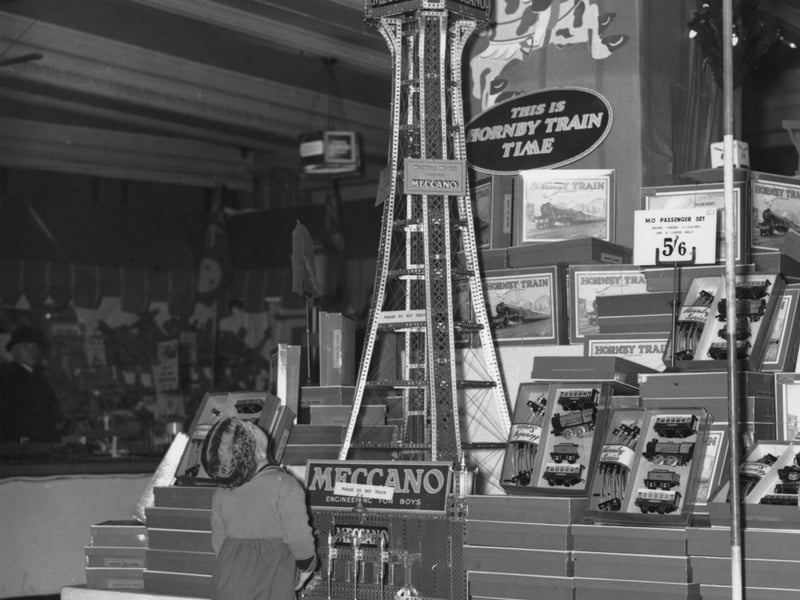
33. Blackpool Tower memories
A youngster examines a Meccano model of Blackpool Tower in a toy store in Manchester, 13th December 1936 | Getty Images
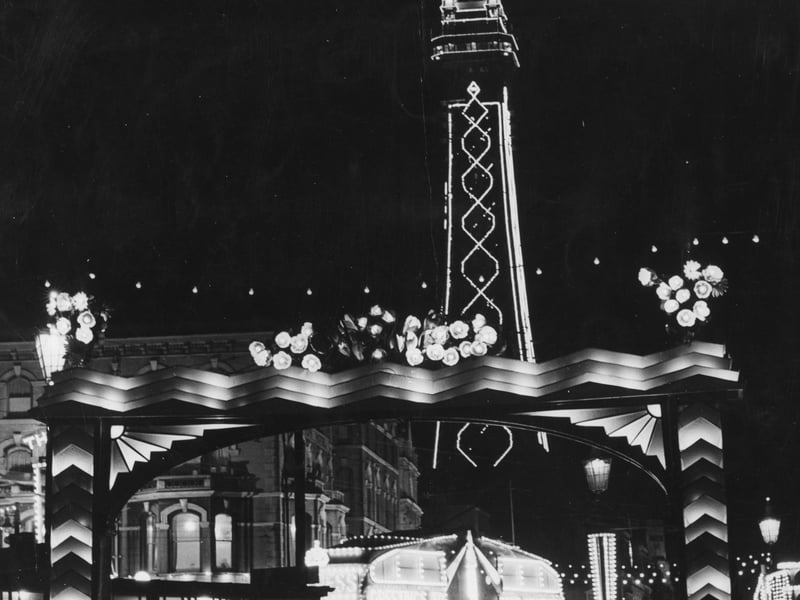
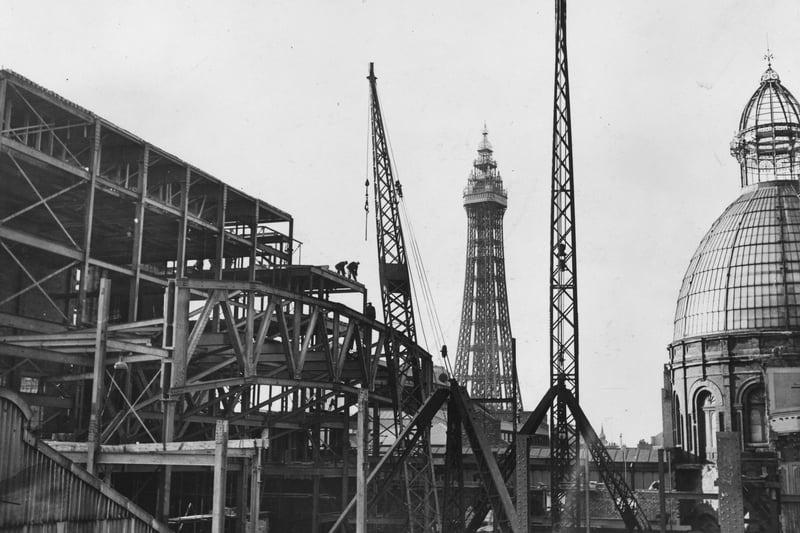
35. Building Blackpool Tower
This was years later when another Blackpool treasure was being built. Blackpool Tower had made its mark in the background as work to construct Blackpool Opera House continued on February 22 1939 (Photo by J. Smith/Fox Photos/Getty Images) Photo: National World
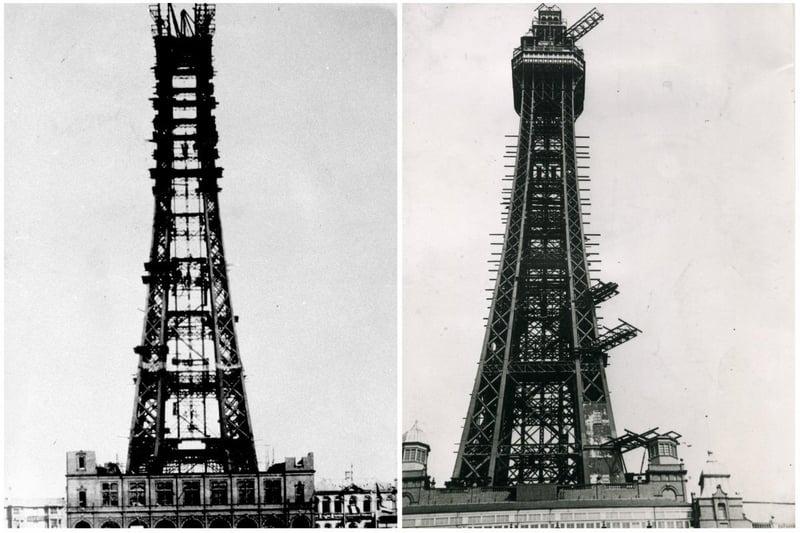
36. Building Blackpool Tower
Both photographs are taken from the same point, from directly opposite at the beach. However, although they look like they were during the construction phase of the Tower and are captioned as such, the one to the right is a much later image. This could have been during repair works or even after the war. Can anyone shed some light? Photo: National World