
We've saved 1000s of Britain’s most vulnerable amphibians - see how Stanah toad patrol are making a difference

A dedicated group of volunteers is braving rain, darkness and busy roads each night to help protect one of Britain’s most vulnerable amphibians during its annual migration.
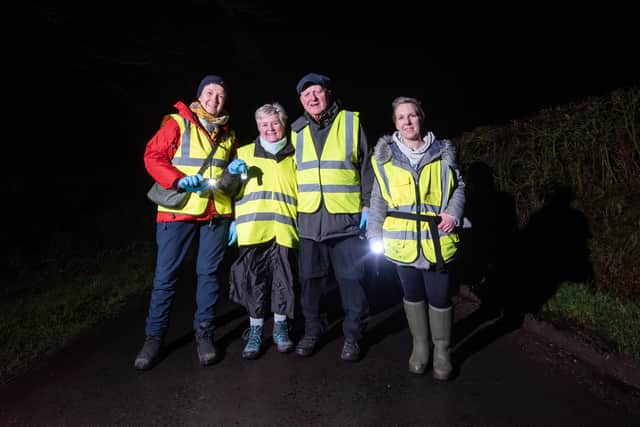
Claire Adamson, a local patrol manager for Over Wyre and Stanah Toad Patrols, leads efforts to safely move migrating toads and any other creatures across roads and away from traffic.
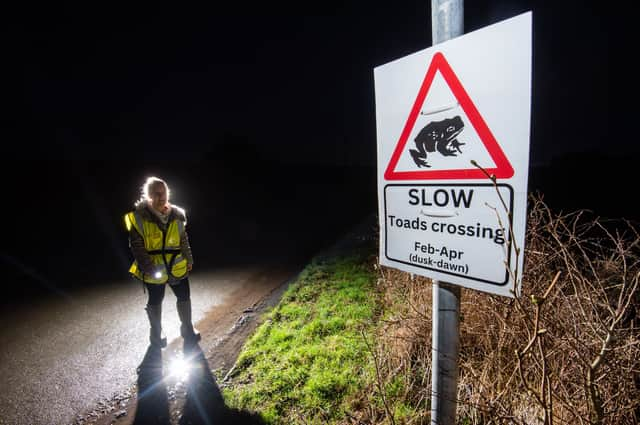
The volunteers work between February and April to help toads travel to ancestral ponds.
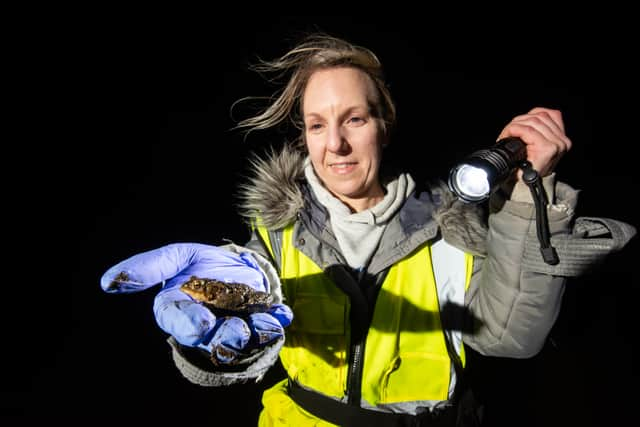

“We’re here to move toads off the roads so they don’t get squished by oncoming cars,” Claire explained. “The common toad isn’t actually that common anymore. It’s had a 68% decline since 1985. We’re just doing all we can to help and save them.
“They’re going to native breeding ponds where they were born to breed and mate.
“The ponds are located all over so we don’t actually know which pond they’re going to. That’s why we just move them to the side of the roads.”
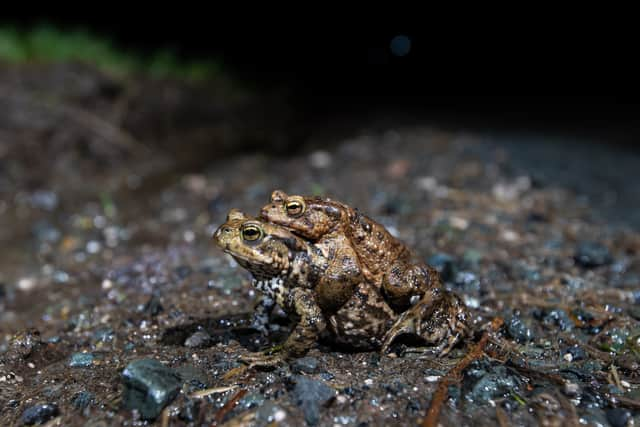
Once they reach the water, the toads lay their eggs in long strings. These typically hatch after around 16 weeks, with young toads leaving the ponds in late summer. Numbers vary depending on weather conditions, with warmer, wetter nights bringing more activity. Even so, recent patrols have already seen large numbers of animals crossing roads.
Claire added: "We have saved over 2,000 toads this season, along with many frogs and newts. Sadly we can’t save them all, some do get squished but we’re here to save the majority of them.”
Volunteers record both the number of toads moved and those killed by traffic. At the end of the season, the figures are submitted to Froglife - the national charity that oversees patrols and compiles data from across the country.
Last year, around 156,000 toads were safely moved nationwide.
Patrollers are equipped with high-visibility clothing, torches, gloves and waterproofs which are essential for long nights often spent in heavy rain.
“We’re usually out when it’s raining. You can expect to get really, really wet!” Claire said with a laugh. “You don’t realise how wet you’re getting until you get home and you’ve actually soaked your underwear.”
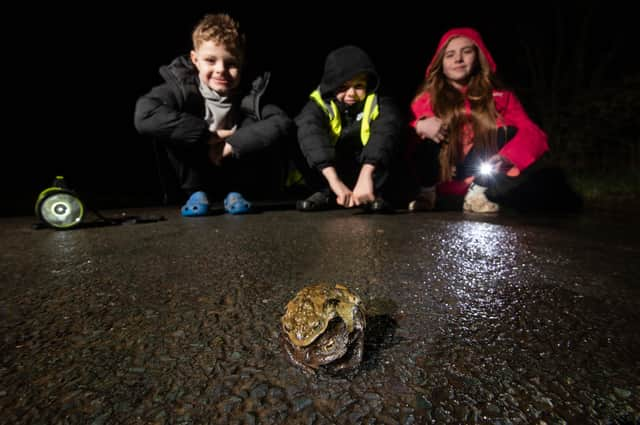
When volunteers spot a toad, they simply move it to the side of the road in the direction it is already facing. “Quite easy and simple,” Claire said.
Despite the challenging conditions, she described the work as deeply fulfilling, noting: “Oh, so rewarding. It is really rewarding. It is good fun as well.”
Public awareness has grown steadily, helped by roadside warning signs and local social media campaigns.
“We’ve got signs up saying 'SLOW toads crossing from February to April,” Claire said. “We post on local Facebook groups, loads of locals have joined and signed up. People even stop their cars and help move toads for us. It’s brilliant.”
Residents interested in volunteering can contact the patrols through their page on Facebook here.
“We’re just hoping around year on year the populations will start to increase,” she said. “And it’s a big thank you to all our patrollers who are out night after night helping these endangered species.”