
Fascinating collection of photographs, maps, newspapers and artefacts helps preserve Lytham's rich history

“We have a range of visitors coming up, doing books, wanting to know family history, graveyards, look at maps, school books, where you are.”
A remarkable collection of photographs, maps, newspapers and treasured artefacts is helping preserve Lytham's rich history for future generations.
With volunteers at the Lytham Heritage Archives continuing to welcome visitors keen to uncover the area's past, the archives are based at the historic Lytham Institute and are run by the Lytham Heritage Group.
Open every Wednesday from 1pm until around 3.30pm, the volunteer-run service attracts a wide range of visitors researching family history, local schools, graveyards, old maps and books, as well as residents hoping to discover more about the history of their own homes.
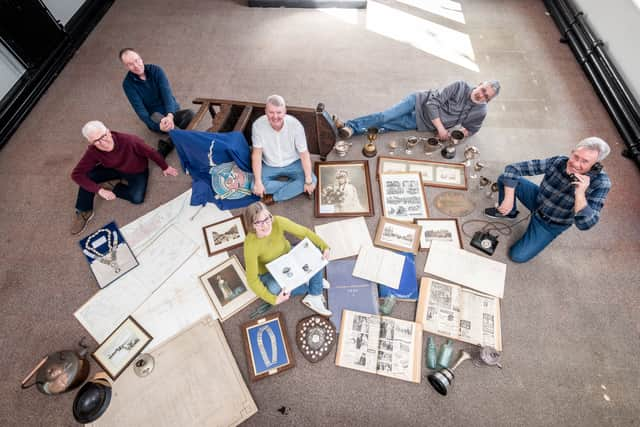

David Hoyle from the Lytham Heritage Group describes the collection as a "treasure trove" of local history. "We have a range of visitors coming up, doing books, wanting to know family history, graveyards, look at maps, school books, where you are," he said. “One of the top questions is, 'Have you got a picture of my house?' Which we try and do."
Among the archives resources are the complete collection of the Lytham St Annes Express dating back to its first edition in 1899. The collection also includes earlier newspapers such as the Preston Pilot, The Visitor, The Times and The Standard, providing a comprehensive record of the area's history.
The archives hold an extensive collection of school photographs, documents and maps charting the development of Lytham over more than 250 years. "We've got maps dating back from 1760 of Lytham, all the way through to these parchment ones about 1890," David explained. "The others just show the town growing."
The collection also features work by well-known local photographers, including David Hedges, who famously photographed Lytham Club Day Queens over many years, reflecting the town's longstanding association with the Clifton family.

All the latest news direct to your inbox
Many of the archive's artefacts have fascinating stories behind them. Among them are cups from the former Lytham Baths, discovered in a garage years after the baths closed, and plates from Lytham's historic shipyard, which built around 900 ships.
Visitors can also see bottles recovered during excavations around the town, many bearing the names of former public houses including The Ship, The Talbot and The County. Other exhibits include an old telephone formerly used at the Halifax Bank building, which now serves as the Heritage Centre.
The archive has also become the custodians of records from numerous local organisations that have now ceased to exist. "A lot of these societies that have finished such as the Ramblers, the Utopians, the Soroptimists, flower clubs that have now finished," David said. "We get all the memorabilia, the records, the minutes and all that."
One particularly significant item is the original chair used by the first Lytham Club Day Queen, Annie Johnson, in 1894. "The chair was up some lady's hallway and she said, 'Would you like it?' because she was going to throw it out," David said. "We've inherited it with the woodworm as well, which isn't too bad."

Enjoy unlimited access to local news, the latest football stories and new puzzles every day
With a digital subscription, you can see fewer ads, enjoy faster load times, and get access to exclusive newsletters and content. Click here to subscribe
The chair was restored and featured in celebrations marking the 130th anniversary of Club Day, where visitors were invited to dress as queens for the day.
Alongside preserving the collection, volunteers are helping to restore the Lytham Institute itself. The building, which was gifted to the people of Lytham, had stood largely empty for around a decade before a new committee and caretaker began bringing it back into community use. "We've got a new caretaker who's fabulous and she's getting things going," David said.
Rooms are gradually being refurbished and let to community groups including Pilates, dancing, knitting clubs and even pole dancing classes, generating the income needed to restore the building while keeping it open.
David stressed that the archives exist to safeguard Lytham's heritage for future generations. "The collection itself will always be here. People either donate it, give it or loan it, and we're just custodians to the next generation."
All the latest news and top stories from across Blackpool and the Fylde coast directly to your phone.
Never miss a thing. Click here to join
The group also embraces modern technology. A recently acquired scanner allows volunteers to digitise and enhance old photographs using AI, helping visitors restore treasured family images. "We've got a lovely new scanner just come in," David said. "We can enhance it with a bit of AI, and it makes it look pretty special."
In October, the Heritage Centre will stage a major exhibition celebrating photographers who have documented Lytham from 1850 to 2026. "We're doing famous photographers from 1850 to 2026," David said. "From glass slides an metal plates to drones."
The group also maintains active Facebook pages, Lytham's Past and St Anne's Past, alongside the Lytham Heritage website, which provides information about attractions including Lytham Windmill, the Lifeboat House, the Assembly Rooms, the Heritage Centre and events at Lytham Hall.
With its ever-growing collection and dedicated volunteers, the Lytham Archives continues to ensure that the stories, photographs and memories of the town remain accessible for generations to come.