
I didn’t see the discovery of blood in murder victim Valerie Kneale's bed as being that serious at the time
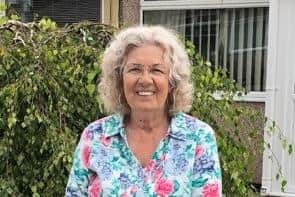
‘I didn’t think it was that serious’ says senior nurse Matthew Pover in addressing the crucial missing 24 hours from Valerie Kneale’s medical records, as alarming blood loss is disputed.
That was the stark admission heard on the second day of the inquest into the death of Blackpool stroke patient Valerie Kneale, as former staff described the care she received in her final hours.
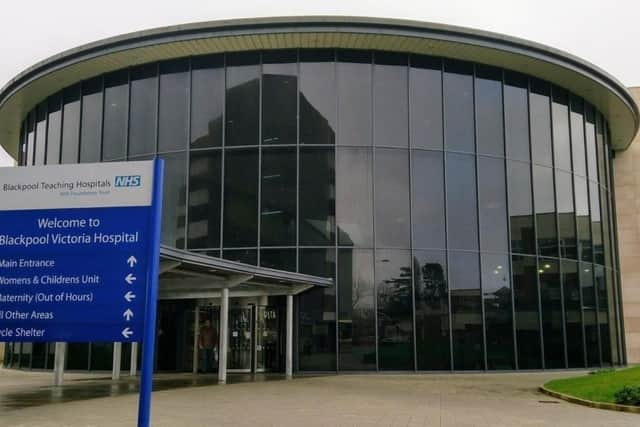
The inquest being held at Blackpool Town Hall is examining how Mrs Kneale, 75, suffered a fatal injury while a patient on Blackpool Victoria Hospital’s stroke ward in November 2018.
On the night of Monday, November 12, Matthew Pover was the senior nurse on duty and the designated bleep holder. He admitted in evidence that, although Mrs Kneale’s care plan required hourly neurological observations, there were long gaps in her monitoring. Notes showed eight hours without the checks being carried out.

Mr Pover also recorded an interaction with Mrs Kneale at 4am, but he conceded the entry reflected his whole shift rather than the specific time of contact.
When challenged about missing documentation and a colleague’s concerns over a large amount of blood discovered in Mrs Kneale’s bed, he told the court: “I think I mistook the seriousness of it and should have gone in to look. Post mortem bleeding - I don’t think I computed it as blood and misunderstood that. I didn’t see it as being that serious at the time.”
Earlier, senior nursing assistant Alison Daniel recalled assessing Mrs Kneale shortly after her admission, saying she had carried out the national stroke scale test before the patient was taken for a scan.
But she said she was unaware of the scan results and had no knowledge of any body bag being ordered following Mrs Kneale’s death.
Other healthcare workers gave differing recollections of Mrs Kneale’s condition. Some described her as “alert and chatty” on admission, while others remembered her as “out of it” and in need of reassurance.
One trainee healthcare assistant said Mrs Kneale had become restless during the night, requiring bladder scans and close observation. The coroner heard evidence of gaps in records, inconsistencies in practice, and a lack of clarity over who was responsible for her care during key hours.
The inquest continues.