
My son has rare 'childhood dementia', so we're making sure he gets the most out of his short life expectancy

“To us he was our baby, you don’t notice things that others might call ‘abnormalities’...”
A Blackpool mum has said she is focused on giving her five-year-old son the best life possible after he was diagnosed with a rare, terminal genetic condition known as ‘childhood Alzheimer's or dementia’.
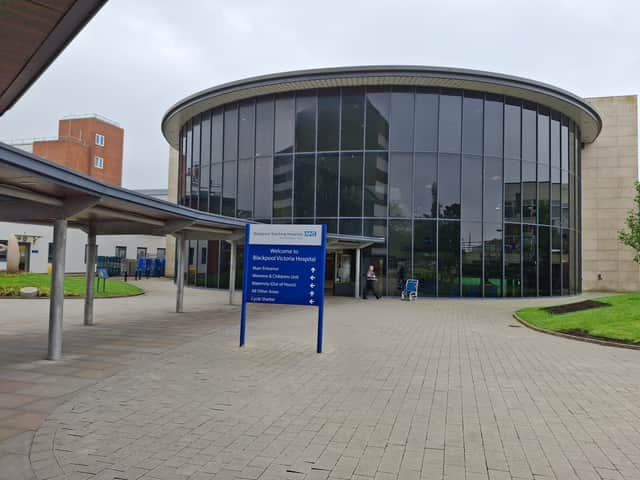
Sophie Lowe, herself a member of the Blackpool Teaching Hospitals NHS Foundation Trust's Adult Integrated Respiratory Service, is sharing the story of her son Bobby, who turns six in December, to raise awareness of Sanfilippo syndrome, a rare neurodegenerative disorder that affects children and is often referred to as childhood Alzheimer's or dementia.
Bobby was diagnosed in 2024 following referrals between several medical specialties, after concerns were initially raised about a delay in his speech development. His journey began with a visit to the speech and language therapy team, which led to a referral to ear, nose and throat (ENT) services for hearing examinations.
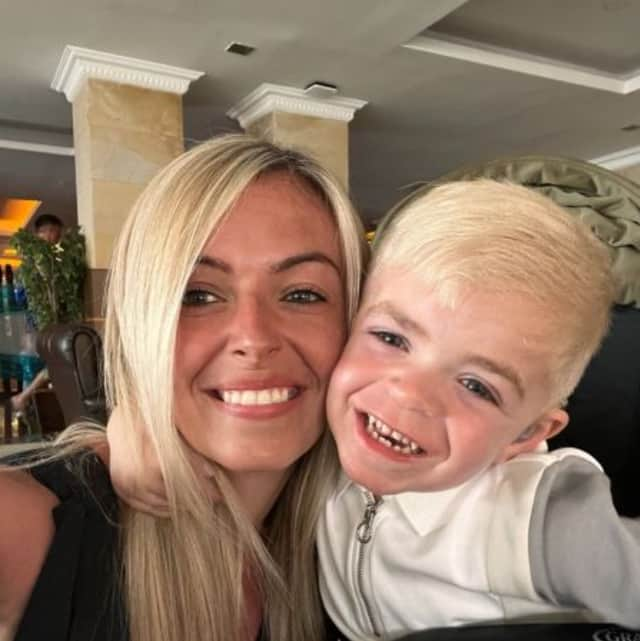

While Bobby was under the care of the audiology team, a consultant noticed facial features indicative of the condition and raised concerns. Thanks to the diligence of the teams involved and their ability to bring the signs together, Bobby was referred to Manchester for genetic testing, which confirmed the diagnosis.
Without the referrals between specialties and the consultant recognising the signs, the condition might have been missed.
“The symptoms are similar in some respects to older people’s dementia in terms of the commonly known ones like memory or mobility as the child gets older but in babies, they aren’t always apparent,” said Sophie. “The key symptoms in children with Sanfilippo syndrome are around speech and language delay, frequent infections and mild physical features.
“To us he was our baby, you don’t notice things that others might call ‘abnormalities’ you just brush them off because you love your child and you love them however they develop.”
Sanfilippo Syndrome, also known as mucopolysaccharidosis type III (MPS III), is a rare, fatal genetic disorder that causes progressive damage to the nervous system. It is estimated to occur in around 80 to 100 babies every ten years. Sadly, children with the condition rarely live beyond their early teens.
Bobby now receives care from a range of services, including speech and language therapy, ENT, dietetics, the cardiac team, community audiology and paediatric teams in Manchester and at Blackpool Teaching Hospitals (BTH), under Dr Mohanty and Dr Aftab.
All the latest news and top stories from across Blackpool and the Fylde coast directly to your phone.
Never miss a thing. Click here to join
“You end up acting as an MDT coordinator sometimes, he can have multiple appointments a week!” Sophie said. “It’s thanks to everyone’s specialist input though that we have developed good relationships with all the teams and we couldn’t possibly arrange everything without their support and understanding. That relationship is key and I am so grateful for it.”
Alongside coordinating Bobby's numerous appointments, Sophie is fundraising to help provide the specialist equipment he needs to support his feeding and mobility. “Our priority now is making sure Bobby gets the most out of his short life expectancy,” she said. “He loves animals, tractors and nature so we want to spend as much time as we can giving him the chance to experience life as much as he can; and to get as much quality time with him while he is around.
Despite childhood dementia having a mortality rate comparable to childhood cancer, Sophie says she is surprised that fewer people are aware of the condition. Figures cited in the information show 204 recorded deaths a year from childhood dementia, compared with 260 annual childhood cancer deaths.
“If it’s causing a similar number of deaths as childhood cancer then why aren’t we paying more attention to it?” Sophie asked. “Some consultants we have encountered don’t know what it is. I do admit though that the consultants we have been involved with have done their best to at least familiarise themselves with the condition before we meet with them.
“I can often see a page on their screen which shows they’ve looked it up before we arrive,” Sophie added. “Again, this is something we have noticed that makes the appointment more person-centred when a specialist has taken the time to check on our individual circumstances.
“That’s great, but I want to do more to make people aware of the condition in the first place.”
To donate, head to: https://www.justgiving.com/crowdfunding/sophie-lowe-4