
Hospital 'underappreciated' underlying medical conditions of motorcyclist who died after road collision
Patient’s care should have been elevated to a higher level sooner, says coroner
The underlying medical conditions of a 53-year-old motorcyclist from Blackpool involved in a road traffic collision in Lytham went underappreciated after he was taken for treatment to Blackpool Victoria Hospital, an inquest heard.
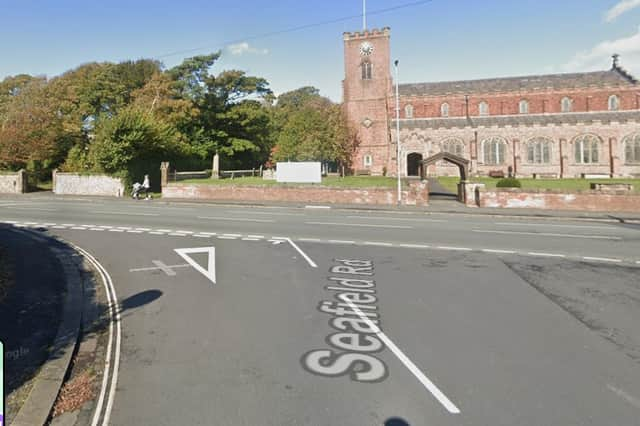
Andrew Erskine, 53, of Kincraig Place, suffered multiple injuries in the incident involving his Suzuki motor cycle and a Fiat 500 car at the junction of Seafield Road and Church Road on the morning of Sunday, November 16, 2025.
He died in the hospital’s intensive care unit in the early hours of November 18 following what was described at the inquest at Blackpool Town Hall as a catastrophic respiratory failure, which resulted in two cardiac arrests, the second of them proving fatal.
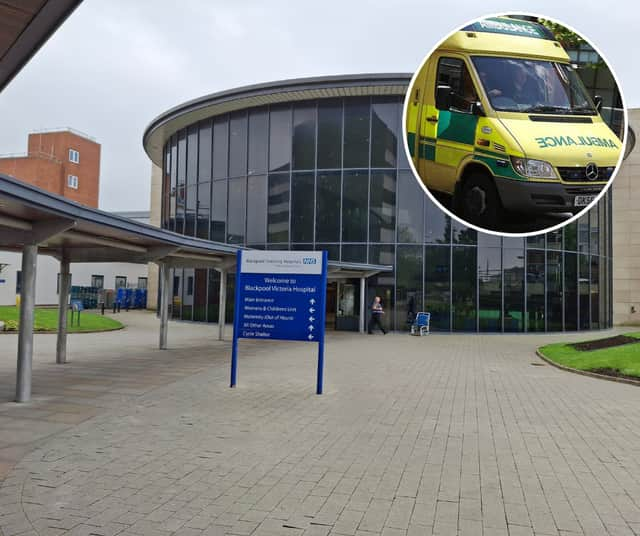

Mr Erskine was said to have been conscious and responsive on arrival at the emergency department and he was transferred from there to Ward 38 on the cardiothoracic department as, along with rib fractures, he was found to have a moderate pneumothorax, or collapsed lung.
At no stage in the ED or on arrival at Ward 38 did his condition appear to be life threatening, the inquest was told.
The following morning, nurses saw that Mr Erskine had produced no urine overnight and he was in pain, which medics struggled to relieve and cardiothoracic consultant Mr Joseph Zacharias decided to transfer him to the intensive care unit.
Pain relief was the prime reason for the move, Mr Zacharias told the inquest but again there were no fears at that stage that his condition might be life-threatening.
Mr Erskine was said to be stable but in the early hours of the following day, he vomited and suffered the cardiac arrests, the second of which proved fatal.
He was found to have suffered an upper tract gastrointestinal haemorrhage, which expert witness Mr Soham Mitra, who carried out an external review, said would have resulted from the trauma of the road traffic collision.
All the latest news direct to your inbox
Mr Erskine’s underlying medical conditions of chronic obstructive pulmonary disease (COPD), chronic liver disease and a raised body mass index would have made him more susceptible to the haemorrhage, said Mr Mitra, a consultant in emergency medicine and major trauma.
He felt those underlying conditions had gone underappreciated following the transfer to ward 38 and that the care for Mr Erskine there had been “reactive rather than proactive”.
Blackpool and Fylde senior coroner Alan Wilson concurred with that opinion in giving his conclusion, adding: “Mr Erskine should have been elevated sooner to a higher level of care.”
Consultant pathologist Dr Darek Golka, who carried out a postmortem, had told the inquest that Mr Erskine’s cause of death was multiple injuries due to a road traffic collision.
But after hearing evidence from medics, Mr Wilson adjusted that to respiratory failure resulting from the gastrointestinal bleeding as a result of the road traffic collision.
The COPD, Mr Erskine’s weight and his chronic liver disease were all contributing factors.
Mr Wilson returned a conclusion of road traffic collision, as it was that which had started the chain of events which resulted in Mr Erskine’s death.