
Blackpool Council calls for major reforms to the way local government is funded
“For years, councils like Blackpool have been underfunded, and the funding we receive does not properly reflect the needs and challenges of our communities.”
Blackpool Council is calling for major reforms to the way local government is funded, warning that authorities serving communities with the greatest needs have fewer resources to provide key services.
The resort authority is one of 19 North West councils and 50 across the country which say a fairer and more sustainable funding settlement is urgently needed.


These authorities, including those in Manchester and Liverpool, are being represented by campaigning network SIGOMA ( Special Interest Group of Municipal Authorities) which today launched a new manifesto calling for change.
The manifesto calls for a nationally funded, locally delivered model for social care; reform of SEND (special educational needs) funding and resolution of historic deficits; permanent protection of the Recovery Grant; and the first national Council Tax property revaluation since the system was introduced.
It argues that councils in areas with higher levels of deprivation are facing greater demand for essential services while having weaker Council Tax and Business Rates bases from which to fund them.
Blackpool falls into such a category, being ranked as the most deprived local authority area in England on the overall Index of Multiple Deprivation (IMD).
WHAT THEY SAY
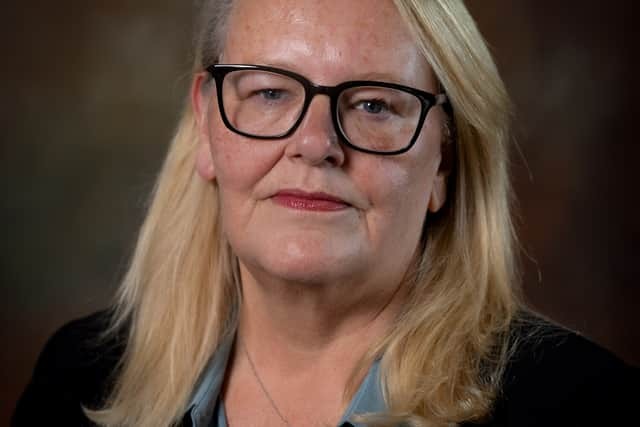
Cllr Lynn Williams, Leader of Blackpool Council, added: “For years, councils like Blackpool have been underfunded, and we have consistently made the case that the funding we receive does not properly reflect the needs and challenges of our communities.
“This isn’t about one-off pots of money for regeneration, important though that investment is. It is about the annual funding councils receive from government to pay for everyday services, from keeping vulnerable children safe to supporting older people and adults who need extra help.
“The current funding model expects councils to raise significant additional income through council tax, but it repeatedly overestimates what places like Blackpool can realistically raise.
“We simply don’t have the same number of high-value properties as wealthier parts of the country. This means the system does not properly recognise the financial pressures we face or give our residents a fair deal.
“Despite being hundreds of millions of pounds worse off over the years, we have worked incredibly hard to balance our budgets, protect services from major cuts, keep vital services such as our libraries open and ensure children and vulnerable residents continue to get the support they need.
“The recent approval of our SEND Reform plan by the Department for Education, which will allow historic SEND deficits to be written off by government, is also a very welcome step forward.”
Cllr Williams welcomed the new developments which at last were helping to put these challenges under the spotlight.
She added: “There are now positive discussions taking place with government about how local government funding can be made fairer, and we are determined to make sure Blackpool’s case is heard.
“We welcomed the opportunity presented by the Fair Funding Review, but the eventual changes to the proposals meant that the outcome did not go as far as we had hoped. Changes to the funding arrangements ultimately benefited London and other areas with higher housing costs, rather than delivering for places like Blackpool.
“We will continue to work constructively with government and with other councils facing similar challenges to make the case for a fairer settlement.
“Blackpool needs funding that properly reflects the needs of our residents, so that we can continue to provide the services people rely on and give our town the opportunities it deserves.”
Mayor Chris Cooke, Chair of SIGOMA, said: “The councils facing some of the greatest pressures from SEND and social care are often serving communities with the greatest levels of deprivation and the weakest ability to raise funding locally.
“That imbalance cannot continue. SEND demand also continues to rise and our members face deficits exceeding £1.6 billion by 2028 without further action.”