
As a British South Asian woman, I knew postnatal depression needed a different approach
A groundbreaking Lancashire-led research project is transforming mental health care for British South Asian mothers and tackling long-standing health inequalities.
The ROSHNI-2 study, recently published in The Lancet is the largest research project of its kind into postnatal depression among British South Asian women.
Led by Lancashire and South Cumbria NHS Foundation Trust (LSCft) the study is a powerful example of how homegrown research can change lives across the UK.
At the heart of ROSHNI is Farah Lunat, LSCft Research Operations Manager and joint lead author.
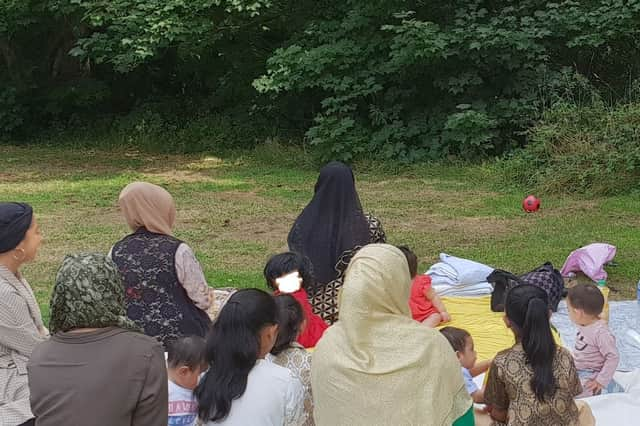

Born and raised in Preston, Farah first launched the ROSHNI feasibility study in 2011, driven by her deep understanding of maternal mental health within South Asian communities.
She said: “As a British-born Indian Muslim woman, I’ve long recognised the cultural and societal barriers South Asian women face in accessing mental health care.
“ROSHNI has been about representation, inclusion and building trust in communities often labelled ‘hard to reach’ – but who are really just easy to overlook.”
South Asian women are the UK’s largest ethnic minority group and are statistically more likely to experience postnatal depression, yet far less likely to access care.
ROSHNI-2 sought to bridge this gap by testing a culturally adapted talking therapy, the Positive Health Programme tailored specifically for British South Asian mothers.
Delivered by multilingual researchers who engaged directly with families, community centres and faith leaders, the programme helped over 4,000 women, many of them in Lancashire - recover more quickly and sustain mental wellbeing over time, compared to standard care.
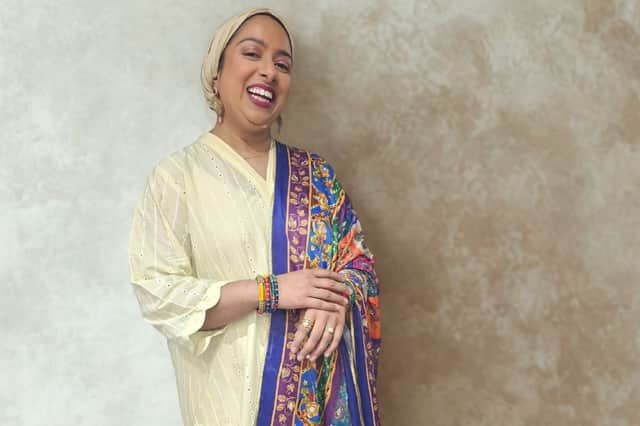
Farah now leads training on cultural competence and is helping shape the next phase: ROSHNI-3, which will further address stigma and improve support for postnatal mental health in South Asian families.
She said: “This South Asian Heritage Month’s theme is ‘Roots to Routes’ and ROSHNI truly represents that journey. It shows what’s possible when we listen, adapt and include.”