



The Register gives an annual snapshot of the health of England’s valued historic buildings and places and aims to ensure they can be protected and continue to be enjoyed in the future.
While nine sites across the North West have been rescued in the last year alone, the region is still home to many landmarks that could be lost forever.
Take a look at 23 of the most well-known North West buildings that are on the Historic England Heritage at Risk Register.
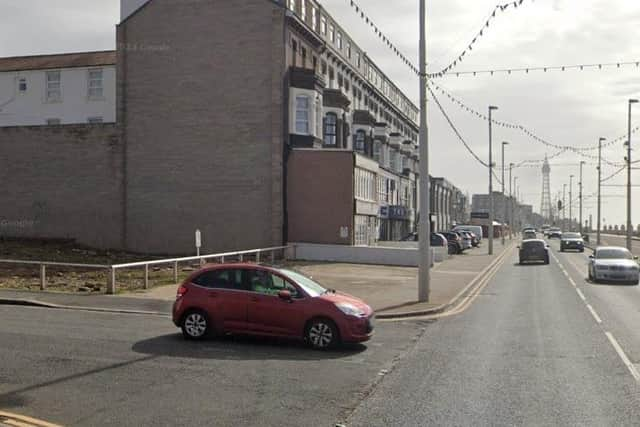
13. North Promenade, Blackpool
North Promenade, Blackpool is rated as in poor condition and deteriorating. Heritage England inspectors found high levels of vacancy and underused buildings, dereliction and loss of buildings, poor quality and inappropriate alterations and repairs, lack of maintenance and the use of front gardens for parking. They said: "No action/strategy identified or agreed". | Google Photo: Google
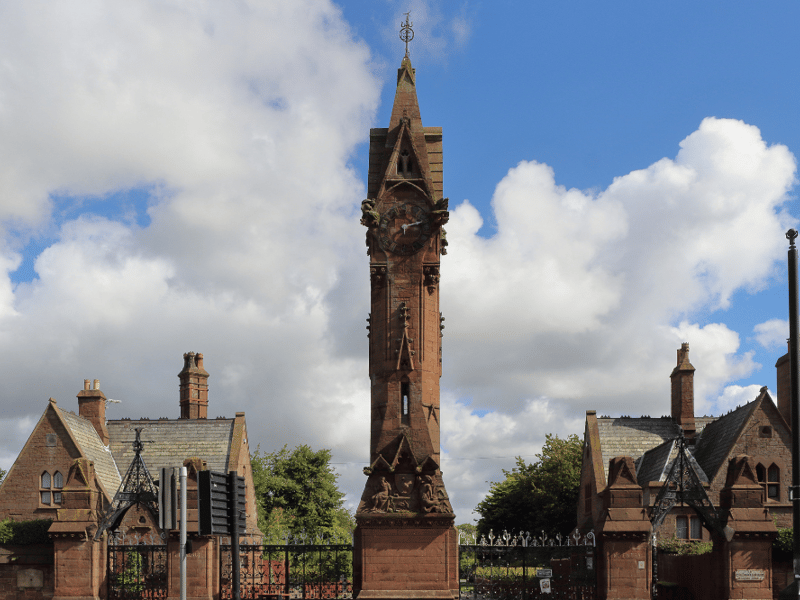
14. Anfield Cemetery, Liverpool
Located on Priory Road, the Grade II* listed Anfield Cemetery was designed by Edward Kemp and laid out in 1856-63. Of three original chapels, only one (listed grade II and disused) remains. Historic England: "Generally unsatisfactory with major localised problems." | Rodhullandemu, CC BY-SA 4.0 via Wikimedia Commons
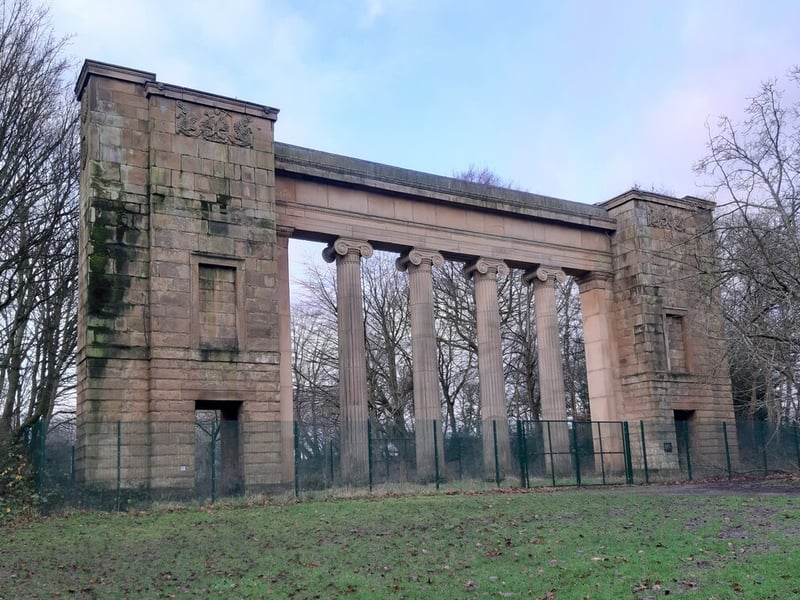
15. Colonnade by Lake to south of Heaton Hall, Manchester
This Grade II* listed structure former part of the original Manchester Town Hall. Historic England said: "Immediate risk of further rapid deterioration or loss of fabric; solution agreed but not yet implemented." | Bradley Michael, CC BY-SA 2.0
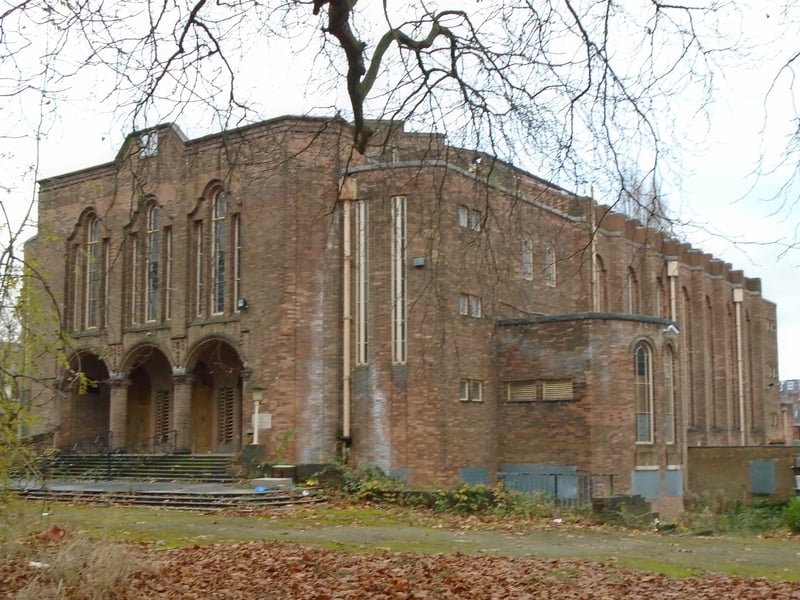
16. Greenbank Drive Synagogue, Liverpool
This Grade II* listed synagogue is located on Greenbank Drive and was built 1936. It has been vacated by the local congregation. Urgent repairs to stabilise the building were carried out, grant-aided by Historic England. Historic England said: "Immediate risk of further rapid deterioration or loss of fabric; no solution agreed." | Rodhullandemu, CC BY-SA 3.0
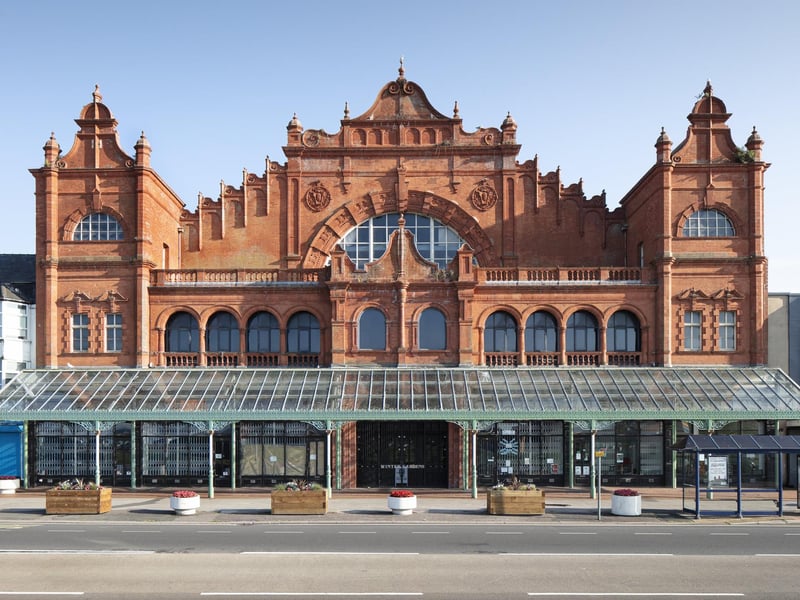
17. Winter Gardens, Morecambe
The Winter Gardens opened in 1897 as the Victoria Pavillion Concert Hall and Variety Theatre, as an extension to the existing Winter Gardens Complex which opened in 1878. Built as both a concert hall and variety theatre, its 2500 capacity was one of the largest in the North West and it quickly became known as the Albert Hall of the North. By the mid-1970s, its fortunes were in decline and by 1977, the decision was taken to close the whole complex, culminating in 1982 with the demolition of the original Winter Gardens leaving only the theatre remaining and in a perilous position. However, a group of dedicated people formed the Friends of the Winter Gardens and have worked together since then with one aim to reopen the building. With the formation of the Preservation Trust in 2006, ownership of the Winter Gardens was transferred to the charitable body who have spent years cleaning, restoring, and fundraising to continue this aim. Now under new governance, the Preservation Trust with the help of its restoration volunteers and the Friends of the Winter Gardens are a step closer to the dream of finally restoring this remarkable Grade II* listed building. It is rated by Historic England as being in "fair condition" with "slow decay". | Alun Bull
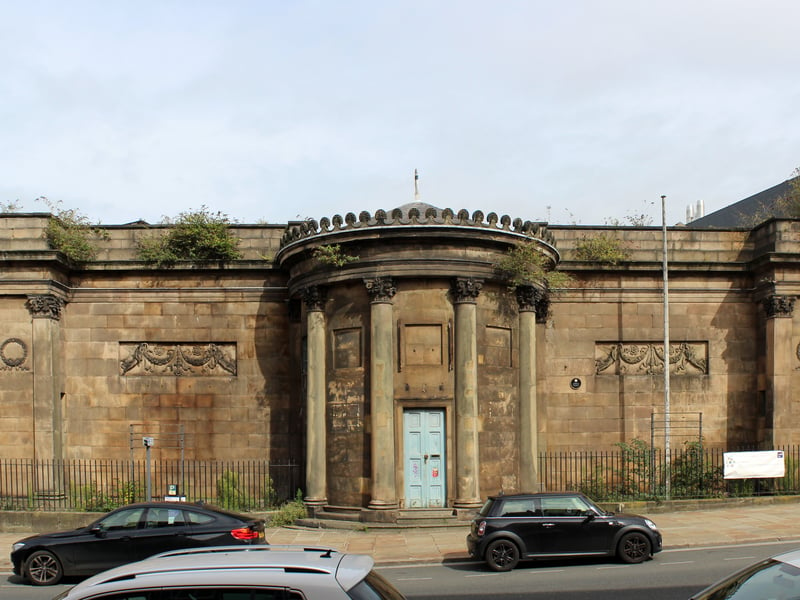
18. Wellington Rooms, Liverpool
Built as a private assembly room for the Wellington Club in 1815. Later used as an Irish Club. Severe dry rot continues to be monitored. The local authority set up a steering group, which commissioned a condition survey and feasibility study to identify an end use. A Historic England grant-aided project has addressed the most urgent repairs, but a long term re-use scheme continues to be elusive. | (Image: Rodhullandemu - Own work/Wikimedia)