



The Register gives an annual snapshot of the health of England’s valued historic buildings and places and aims to ensure they can be protected and continue to be enjoyed in the future.
While nine sites across the North West have been rescued in the last year alone, the region is still home to many landmarks that could be lost forever.
Take a look at 23 of the most well-known North West buildings that are on the Historic England Heritage at Risk Register.
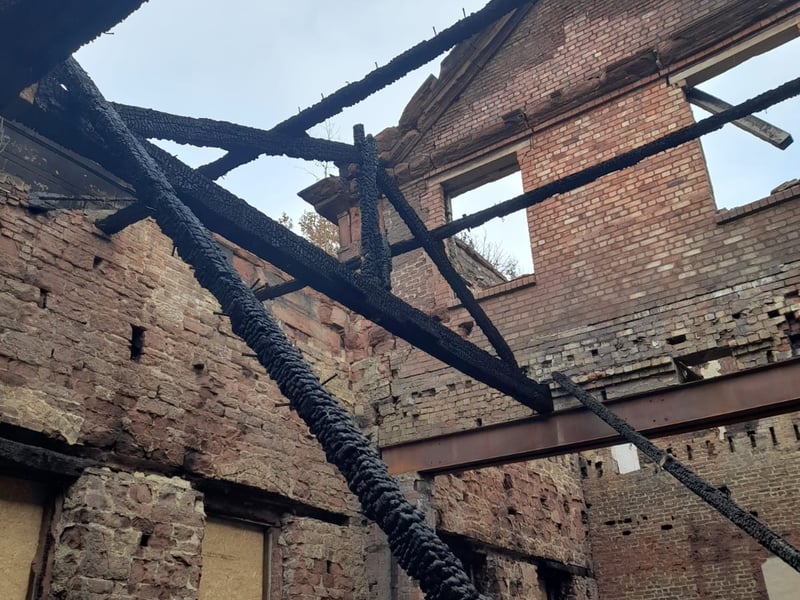
7. Woolton Hall, Liverpool
Woolton Hall is a former country house, created by influential architect Robert Adam. The historic being has stood in a derelict state for many years, but its condition has become even more concerning after a huge blaze this summer. Historic England said it is at "immediate risk of further rapid deterioration or loss of fabric". While the building is privately owned, Cllr Nick Small previously told the LDRS: “Our priority is safety which is why we will instruct urgent remedial work to remove the most unstable walls and secure the site. These measures are intended to prevent access and reduce the immediate risk, but they cannot guarantee to stop determined illegal entry, and the owner remains ultimately responsible for security. “Once the emergency works are completed, we will promptly consider further enforcement under the listed building legislation and the Building Act to protect the long-term future of Woolton Hall.” | Merseyside Police
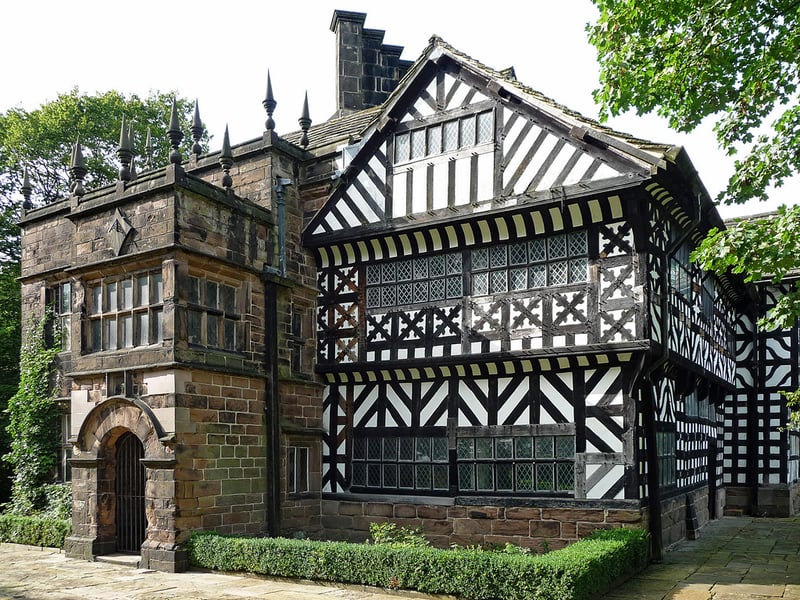
8. Hall I' Th' Wood, Bolton
The Grade I listed Hall I' Th' Wood in Bolton is described as at "immediate risk of further rapid deterioration or loss of fabric". Historic England says the iconic building is declining. | Stephen Richards, CC BY-SA 2.0
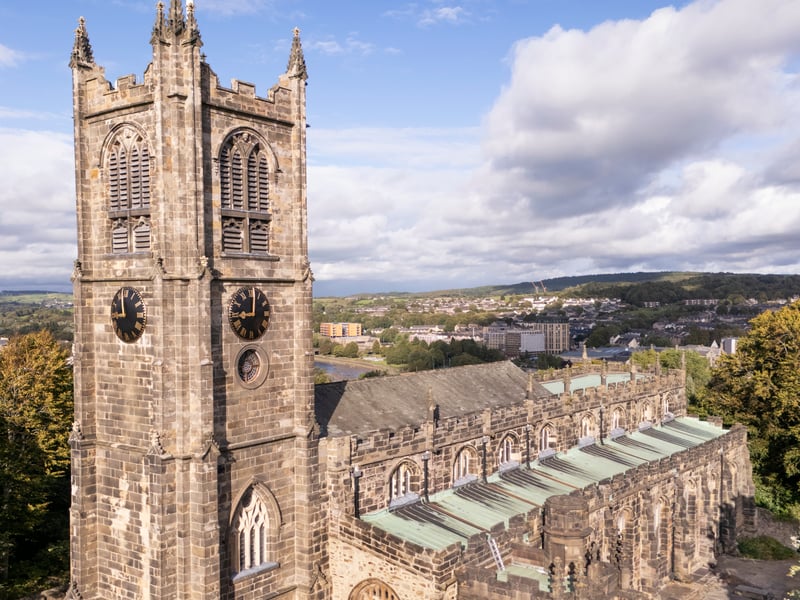
9. Lancaster Priory, Lancaster
The Grade I listed Priory and Parish Church of St Mary in Lancaster has been added to the Heritage at Risk Register in 2025 due to subsidence affecting the alignment of its south aisle. This significant Anglican parish church, largely dating from around 1430, stands on an earlier site and represents exceptional medieval craftsmanship. The building features a distinctive west tower built in 1754-5, and a south porch and north chapel from 1903. | Historic England
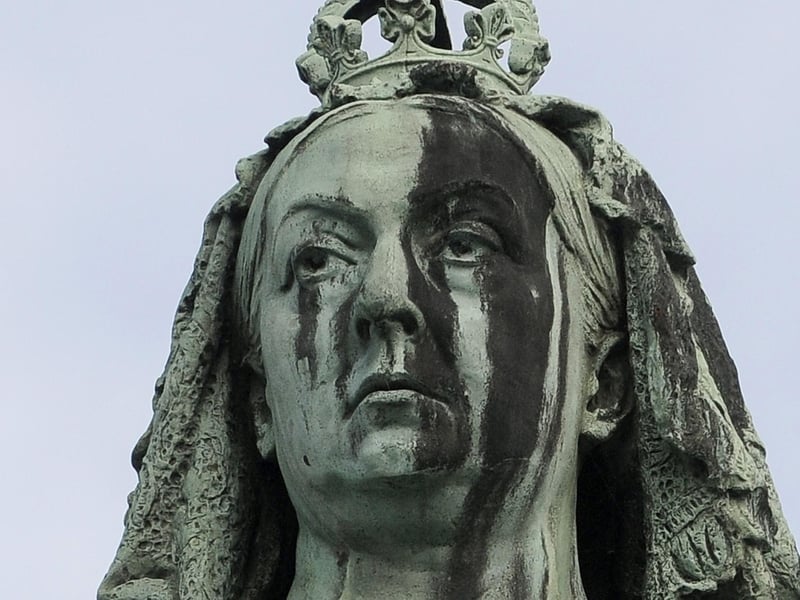
10. Queen Victoria statue, Lancaster
The Queen Victoria Memorial in Lancaster, is a Grade II* listed building in Dalton Square, facing Lancaster Town Hall. It was erected in 1906, being commissioned and paid for by James Williamson, 1st Baron Ashton. It's described by Historic England as being in poor condition and declining. They say it's in "slow decay with no solution agreed". Photo: Daniel Martino
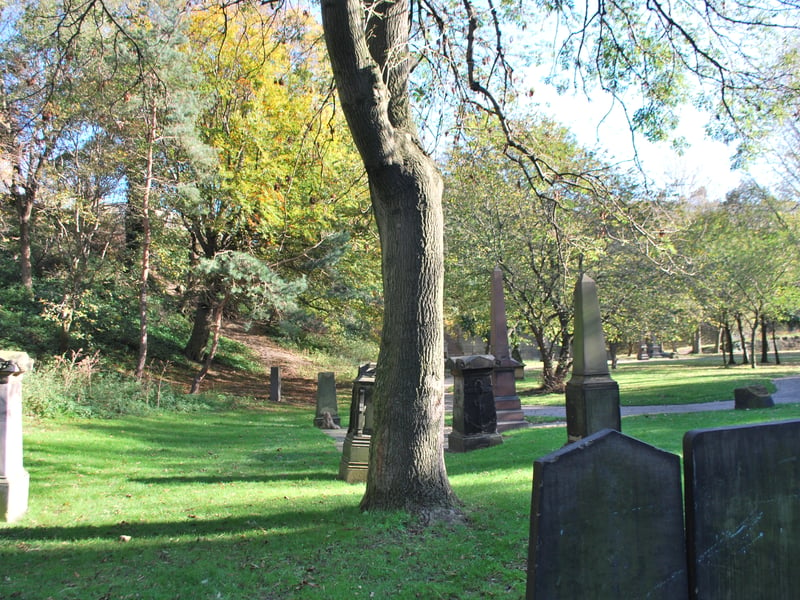
11. St James's Gardens (formerly St James's Cemetery), Liverpool
St James's Gardens was developed by a private company and opened in 1829, with architectural features by John Foster and landscape by John Shepherd. It was one of the earliest ‘garden cemeteries’ in the country. The last interment took place in 1936. In the 1960s many gravestones were re-sited and the central area re-landscaped. In the late 20th century the site fell into decline. A local Friends group took interest in the cemetery; the site has been more actively maintained since. Historic England said: "Generally satisfactory but with significant localised problems. No action/strategy identified or agreed (where trend is declining or unknown." | St James's Gardens (formerly St James's Cemetery), Liverpool
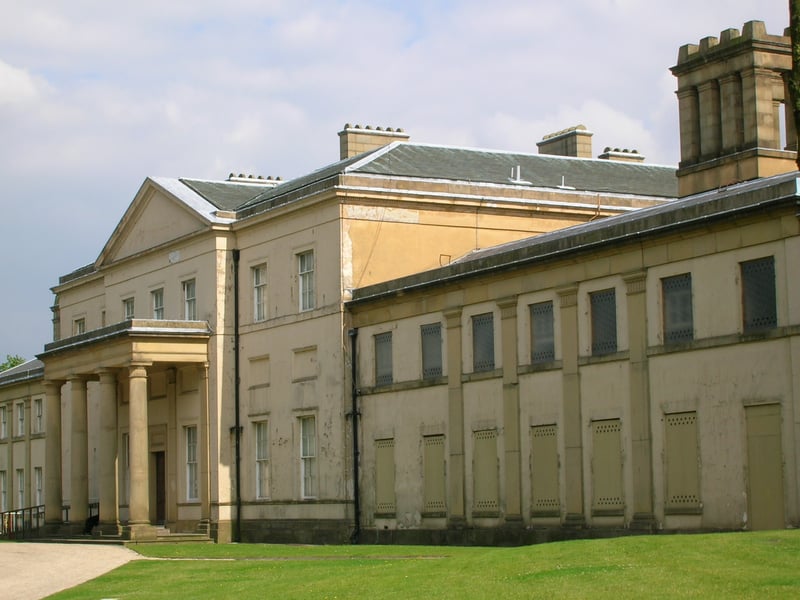
12. Heaton Hall, Manchester
This Grade I listed building in Heaton Park is described as suffering "slow decay" by Historic England. | Tony Grist