

The Register gives an annual snapshot of the health of England’s valued historic buildings and places and aims to ensure they can be protected and continue to be enjoyed in the future.
While nine sites across the North West have been rescued in the last year alone, the region is still home to many landmarks that could be lost forever.
Take a look at 23 of the most well-known North West buildings that are on the Historic England Heritage at Risk Register.
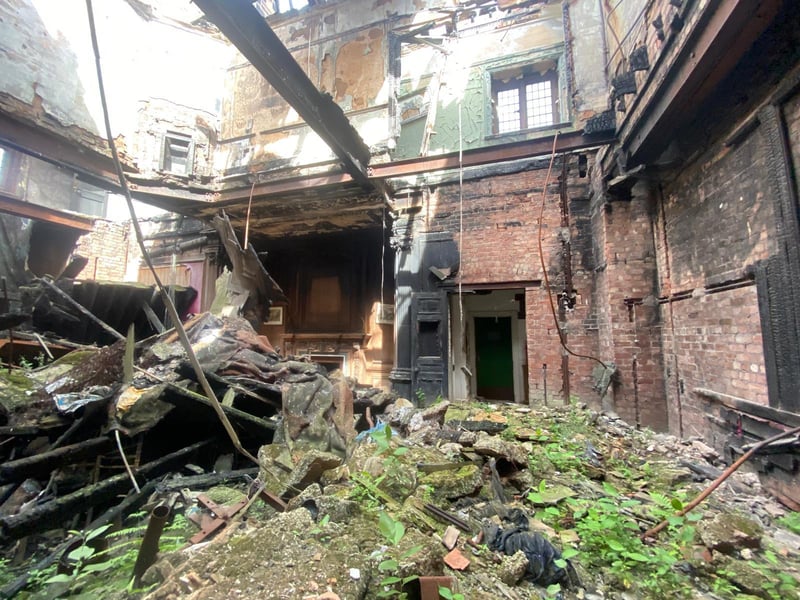
1. Thornton Manor, Wirral
Thornton Manor is a large Grade II*-listed country house in the village of Thornton Hough with large grounds, two lakes, and views over Wirral’s countryside. It suffered a large fire in 2022. Historic England said: "Immediate risk of further rapid deterioration or loss of fabric; no solution agreed." | LDRS
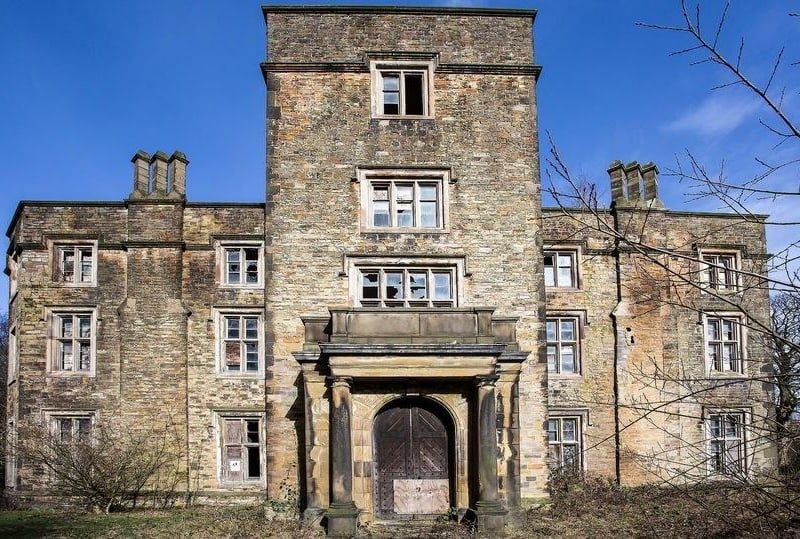
2. Winstanley Hall, Wigan
Winstanley Hall was awarded Grade II* status in 1966. The famous structure is described by Historic England as at "immediate risk of further rapid deterioration or loss of fabric; no solution agreed". Photo: submit
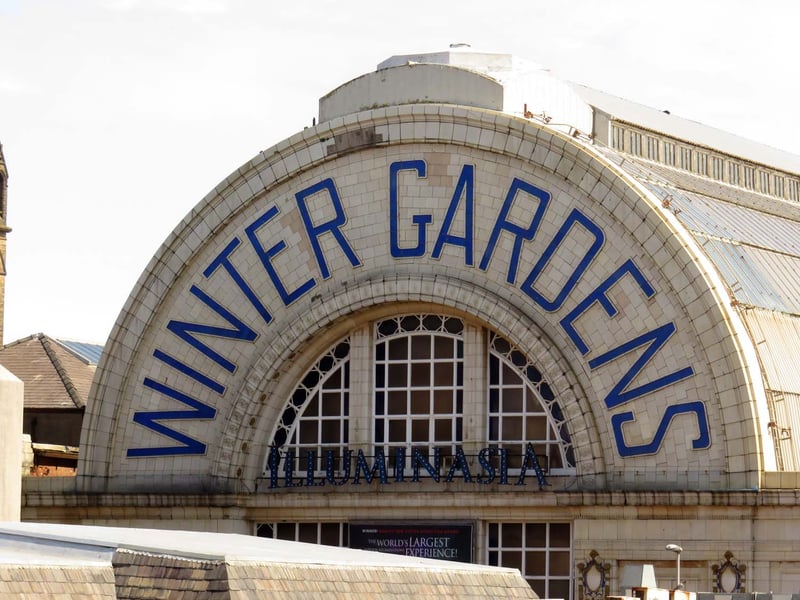
3. The Winter Gardens, Blackpool
Blackpool's Famous Winter Gardens were suffering from serious neglect when acquired by Blackpool Council in 2010. A major investment programme of repair and refurbishment is now underway. Heritage England rates the Grade II listed building as in poor condition but with an "improving" trend. | Steve Daniels, CC BY-SA 2.0
4. Brierfield Mills, Nelson
The Brierfield Mills conservation site in Brierfield is rated as being in a poor condition, with high vulnerabilty, but Historic England say the state is "improving" and is being monitored. Photo: Submitted
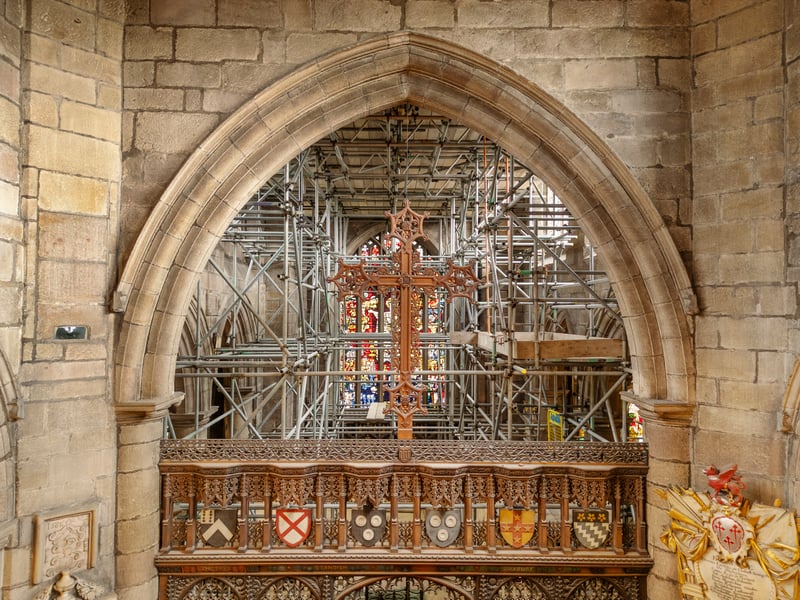
5. The Church of St Wilfrid, Standish
The Church of St Wilfrid located in Standish, Wigan and listed as Grade I has been marked as at risk. The church has been added to the Heritage at Risk egister following a death watch beetle infestation that has affected its decorative timber ceilings. This Grade I listed church, dating from the 1580s, represents a rare example of late 16th-century ecclesiastical architecture. The building is particularly significant for its innovative use of Tuscan columns in the nave and chancel arcades, believed to be the earliest application of this classical order in England. | The Historic England Archive
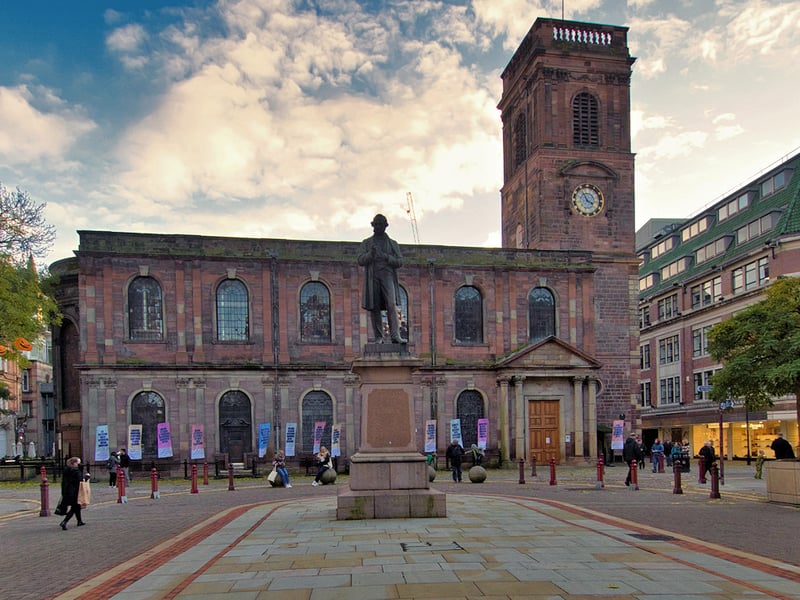
6. The Church of St Ann, Manchester
The Church of St Ann in Manchester is described as "stable" but Historic England says it is suffering slow decay with no solution agreed. | David Dixon, CC BY-SA 2.0