
The tragic story of Ceramic Hobs, Blackpool’s most eccentric cult band
The name Ceramic Hobs conjures up images of a Blackpool band which combined dark humour with a touch of the surreal
They were the band that should have been called Madness - that’s the off colour joke often used when talk turns to Blackpool musical eccentrics Ceramic Hobs.

The genesis of the gag, is that at least four members of the band had undergone treatment in psychiatric wards.
Ceramic Hobs was formed in Blackpool by Simon Morris and Stephen Lambert.
From the beginning the Hobs wanted to provide a ‘radical therapeutic community’ for people diagnosed with schizophrenia and other mental illnesses.
They even became closely associated with Mad Pride - a civil rights group advocating for the mentally ill.
In 1998, they released the album Psychiatric Underground, with the title track calling out the failures many of the original band members had experienced in the mental health system of the 1980s and 90s.
In an interview with Wire magazine in the 1990s, Simon described Mad Pride as a movement determined to remove the stigma from mental illness when “we all felt like the scum at the bottom of society”.
Their links with Mad Pride gave the Hobs the chance to perform outside of their native Blackpool for the first time.
Simon said: “It offered us a chance to do gigs in London to crowds of enthusiastic and crazy people.”
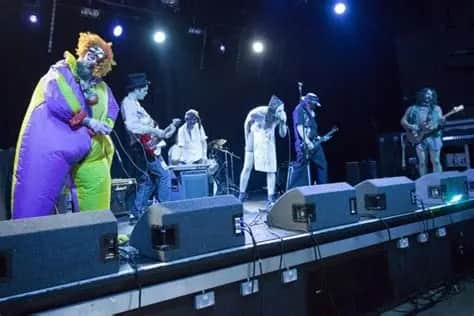
He described the shows a “genuinely empowering”.
In 2016, after 30 years, Simon announced the bands 2013 release Spirit World Circle Jerk would be their last.
One of their final gigs in 2014, saw the Hobs supporting current critical darlings Sleaford Mods at a London show.
In an interview a year before the group’s demise, Simon told an interviewer: “We now exist as pathetic shadows of our former selves, with a few members from classic line-ups covering songs from the distant past during infrequent appearances with fellow bad artists an occasional ritual humiliations such as Sleaford Mods special needs support act.”
Clearly, Simon was not, as they say these days, in a ‘good place’.
Simon was famous for his hilarious interviews with thousands of fanzines and even legit 90s magazine Blender.
Conscious of the band’s ‘zany’ image, which masked true suffering, he was said he wished he had entitled one of their albums Carry on Schizophrenia of honey I Lost My Marbles. In the end they chose the title Shergar Is Home Safe and Well. Another album was called Straight out of Rampton - named after the notorious psychiatric hospital.
The majority of the Hobs’ songs were based around Blackpool and its characters. However, he could be scathing of the town which gave him so much material and inspiration, often referring to it as ‘a black pool’ from which he longed to escape
And for all the surreal fun and games of their live show, and with 11 former members, the band’s career ended in all to predictable tragedy.
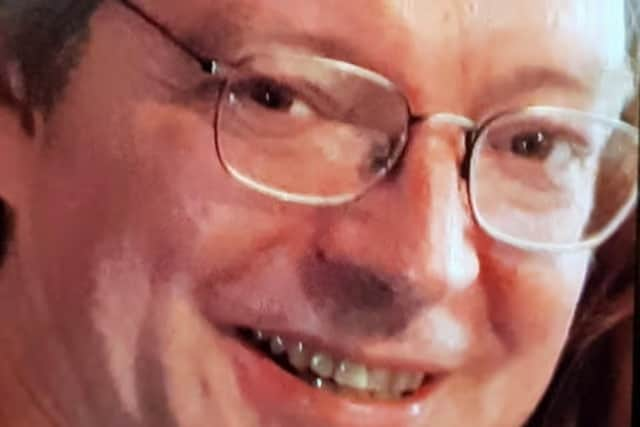
After years of fearlessly showcasing his mental illnesses on stage, founder Simon’s body was recovered from the River Wyre on December 20, 2019.
Police had been searching for 51-year-old Simon since he was reported missing from his home on Blackpool Old Road, Poulton on December 7.
Family had described his disappearance as “very unusual”.
The leader of Ceramic Hobs’ body was discovered by police on a mudbank in the middle of the River Wyre near the former ICI site at Thornton.
Fleetwood’s RNLI crew and the coastguards helped recover his body.
Sadly, Simon didn’t live long enough to see a resurgence in the Hobs’ reputation. Many of their albums have been released and originals change hands for high prices on Ebay.
A new generation are busy rediscovering a band which succeeded against the odds, earning fans all over the world and providing solace for those suffering mental illness.