
Internet safety in Blackpool: Simple steps to stop suspicious links
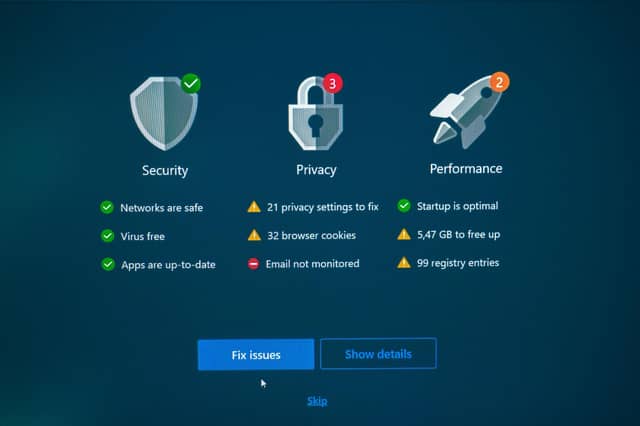

Although the internet offers vast potential, it also presents a number of potentially dangerous situations.
Phishing, a method that involves the distribution of harmful links, is the most prevalent way that residents of Blackpool and the Fylde Coast are targeted by internet scams, fraud and cybercrime.
Phishing is the most straightforward method for thieves to obtain monetary and private information. Recognising potentially harmful connections is the first step in the process of improving your safety while you are online. To make your experience on the internet more secure, follow the straightforward and useful instructions in this article.
How to tell if a link is bad
Criminals rely on malicious links to transmit malware or execute scams. These dangerous URLs often arrive unexpectedly via email, text message, or social media chats, designed to trigger an emotional response (fear or excitement) that prompts an immediate click.
Check for a URL mismatch. Before clicking any link, softly hover your mouse cursor over it. A short preview of the link’s genuine destination will show. If the message purports to come from 'Your Bank', yet the preview address seems nonsensical, it is a fraud.
Poor spelling or grammar within the message is another common red flag. Look for general greetings like 'Dear Customer' instead of your name. Keep in mind that actual businesses and banks don't often ask you for your password or account number over an email link. Always check for subtle mistakes in the sender's email address, as well.
How to be safe on the internet
If you pay attention when you use the internet every day, you are far less likely to get scammed. You should only go to websites that have HTTPS in their address. There should also be a small lock icon in the address bar of your web browser.
HTTPS protects the information that goes back and forth between your machine and the website. Don't enter any vital information on a site that says "Not Secure". This quick check is very important for your safety online.
Always remember to update the software on your computer, phone, and web browsers as soon as you can. These updates feature important security fixes that make it harder for hackers to use new tactics.
Stay with verified platforms
We do a lot of things online, like buy products and have fun. You should check to see whether the site is real before you do anything that requires money or personal information. Safe websites always make their licenses, security policies, and conditions of use clear.
These websites invest a lot of money in technology to protect your data. If you play games online, especially where real money is involved, ensure the sites are secure and regulated. For instance, recognised sites that feature the best online casinos have strict guidelines about how to keep your information safe and how to make payments. The best way to have a stress-free day online is to only use sites that are clearly monitored and certified.
How to protect your personal information
To keep your personal information safe, the first thing you should do is protect your account. Using distinct, secure passwords for each of your accounts is the best method to keep safe online. They should be long and have a combination of numbers, letters and symbols in both upper and lower case. You should never use the same password twice.
Two-factor authentication (2FA) is a terrific technique to make your security even better. The system will ask for a second code after you input your password. You normally get this code on your phone. A thief won't be able to enter your account even if they have your password.
When you shop or bank, always use private, encrypted Wi-Fi. Public Wi-Fi hotspots, like those at coffee shops, are easy to use but not very safe and are easy to exploit. Because it is password-protected, your home network is always the safest place to retain confidential information.
Be Gamble Aware. For advice and support for gambling or gambling addiction there are a number of organisations in the UK you can contact such as Gamble Aware or Gam Care