
6 things you'll remember having to wait for in the 60s, 70s, 80s and 90s, when life moved more slowly

You had to be more patient growing up back then
- Life used to move a bit more slowly in the 60s, 70s, 80s and 90s
- It could be frustrating, but delayed gratification was not without its benefits
- These are just some of the things you had to wait for if you grew up back then
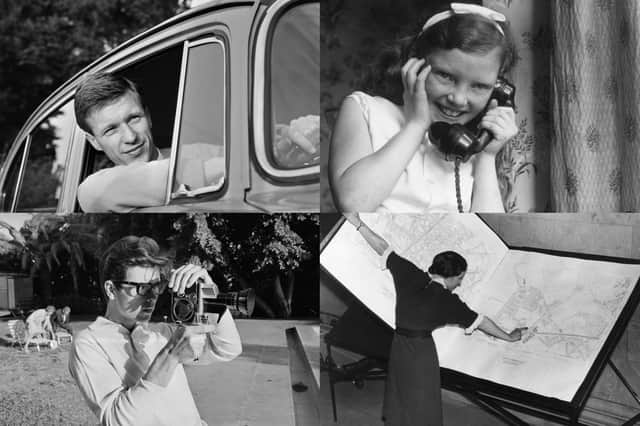

There are some modern conveniences no one would swap, like dishwashers and washing machines.
But many people miss how things used to move a bit slower, before mobile phones and the internet forever changed the way we live.
We may not have appreciated it at the time, but delayed gratification has its benefits, and many of us remember wistfully the old, gentler pace of life.
How many of these things, which used to take a bit longer back in the 60s, 70s, 80s and 90s, do you remember?
Watching your favourite film at home
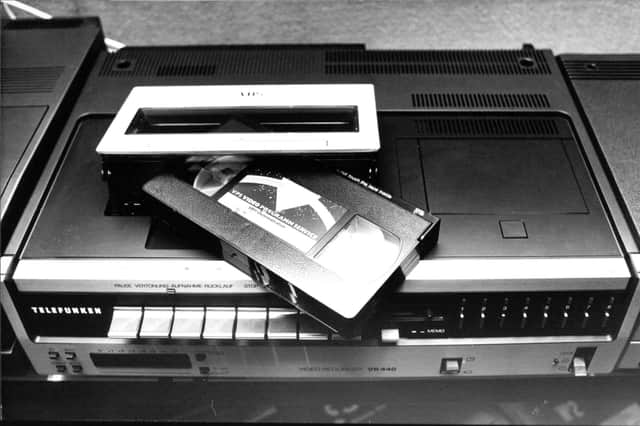
Video recorders changed our viewing habits in the late 70s and 80s.
Not only were we able to record and watch our favourite TV shows when we wanted, but we could watch our favourite films from the comfort of our homes.
Back in the days of VHS, however, we still had to wait for the latest releases to be available to rent or buy.
There was typically a gap of several months between a film being released at the cinema and becoming available to buy.
Streaming has helped change that.
While you do sometimes have to wait a few months to watch the latest blockbuster at home, it usually only takes a matter of weeks, with some films available to stream instantly.
Planning a journey
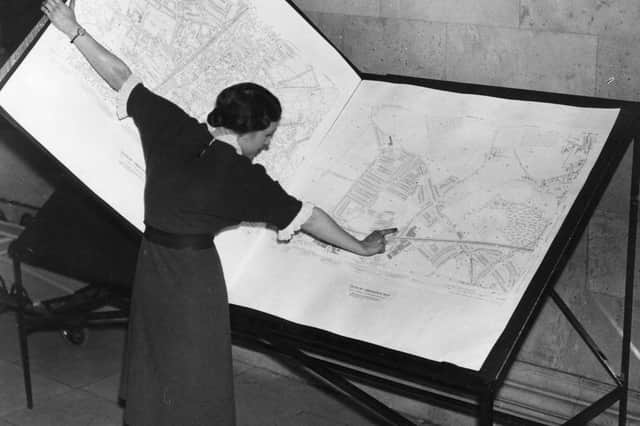
Anyone of a certain age will remember how planning a trip took a lot longer in the days before Google Maps.
Today, you can just enter your destination and get the route on your phone instantly, along with the estimated journey time.
Back then, you had to get out the map and work out the best route to take before setting off.
And once you were on the road, you couldn’t rest if you were the map reader, as there was no sat-nav telling you when to turn off.
Ringing your friend to check if they’re free
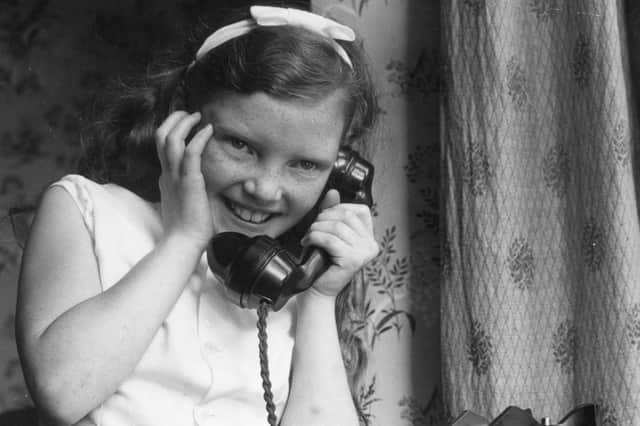
Nowadays, you can just drop your friend a quick message on the phone to see if they’re free to hang out.
Before mobiles became commonplace, you had to ring your friend on the landline, if it was free.
Dialling itself took longer, especially if you were using a rotary phone, and you had to hope they answered or you might have to make awkward small talk with their parents.
Finding your favourite track on an LP record or cassette album
There’s still a particular pleasure to be found in listening to an album from start to finish, as it was made to be played.
But many fans just want to listen to their favourite song on repeat - something it’s very easy to do these days.
That wasn’t always the case, back in the days of LP records and cassette albums.
If you know how to look for the break between songs, you can find your favourite track track on an LP and move the stylus to the right point.
With early cassette players you simply had to fast-forward until you got to the desired song, though you could skip tracks on later models.
Waiting to see your photos
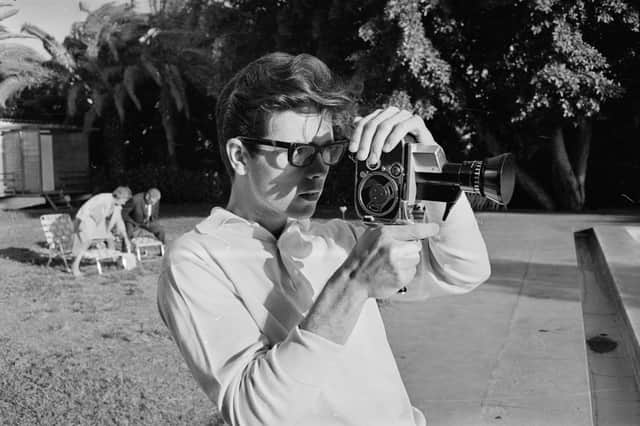
Back in the days of analogue cameras, you had to finish your film before taking it to the chemist to be developed.
Today, you can instantly see and edit the photo you’ve just taken, or take another if it’s no good.
That wasn’t the case when a film usually only had 24 or 36 exposures and each shot was precious.
If you had a Polaroid camera, you could see the results much quicker, though you still had to show a little patience as you waved the print in the air to let the ink dry.
Winding down the car window
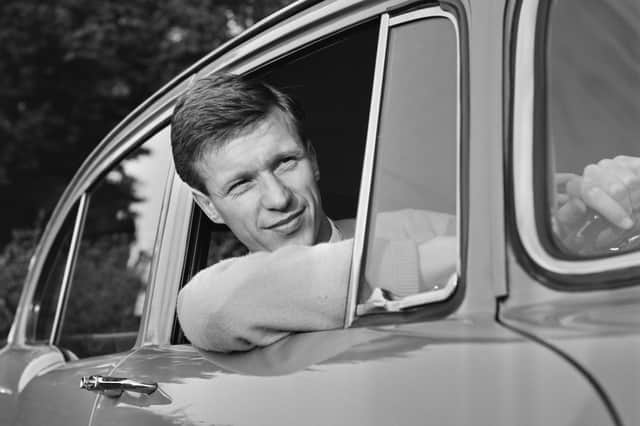
OK, so this was hardly the most laborious process back in the days of manual car window handles.
But cranking open the window still took a little longer than simply pressing a button.
What do you remember having to wait for when you grew up that children today wouldn’t understand?