
The signs and symptoms of a blood clot - and what to do if you think you have one
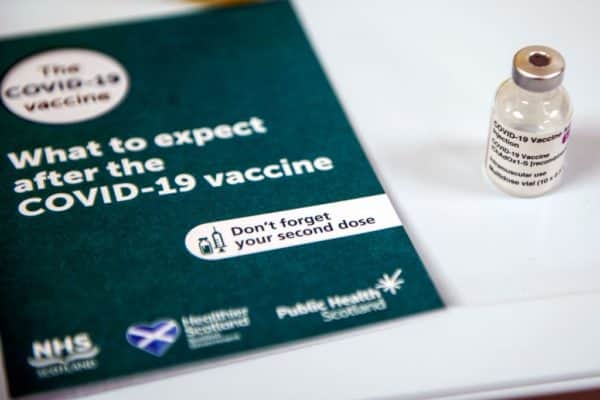
The World Health Organisation (WHO) is urging countries to continue using the AstraZeneca Covid-19 vaccine as global medical leaders meet to discuss reports of blood clots.

Dr Soumya Swaminathan, WHO’s chief scientist, told a media briefing “we do not want people to panic”, as she said no association has been found so far between blood clots and Covid-19 vaccines.
She said the rates at which blood clots have occurred in people who received the AstraZeneca vaccine “are in fact less than what you would expect in the general population”.
A small number of cases of blood clots in people having the jab have been reported in Europe, prompting several countries including Germany, France, Italy, Spain, Denmark, and Norway to halt rollout of the vaccine as a precaution while investigations are carried out.
But even removed from the context of Covid-19 and vaccines, a renewed focus has been put on blood clots, with many people becoming far more aware of a condition they may otherwise have known little about.
For the hypochondriacal out there, it could be yet another thing to worry about. So what are the symptoms and signs of blood clots? How are they treated? And what should you do if you suspect you may be suffering from one?
Here is everything you need to know.
What are blood clots?
Normally, blood clots help stop bleeding when you’re injured, and are perfectly normal and safe as they plug injuries and wounds and allow them to heal properly.
But when these clots form internally or in the absence of injury, they are a worry because they can restrict the flow of blood within your blood vessels, leading to complications like stroke or heart attack.
What are the symptoms of blood clots?
According to the NHS, symptoms of a blood clot include:
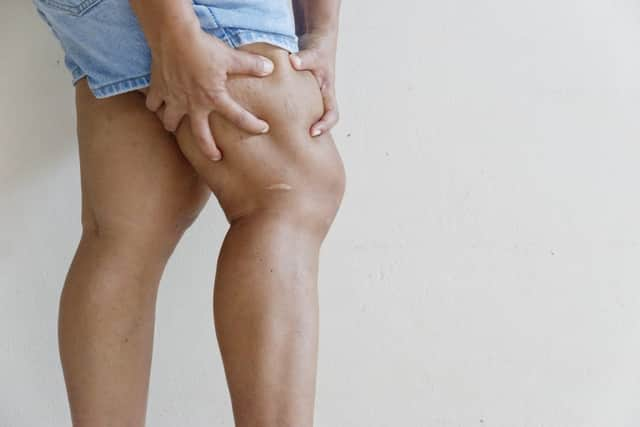
- throbbing or cramping pain, swelling, redness and warmth in a leg or arm
- sudden breathlessness, sharp chest pain (may be worse when you breathe in) and a cough or coughing up blood
What should you do if you think you have a blood clot?
If you are experiencing any of the above symptoms and are worried that you may have a blood clot, you should get advice from the NHS’ 111 service, either by going to 111.nhs.uk, or calling 111.
The service will be able to tell you what to do, and can arrange a phone call from a nurse or doctor if you need one.
Blood clots can be life threatening if not treated quickly, and if you are struggling to breathe or someone has passed out, you should call 999 or go to A&E.