
Well-liked woman, 47, found in Gurkha restaurant disabled toilet after 3 days died of mixed drugs toxicity

A coroner has ruled that a well-known and well-liked Blackpool woman who lay dead in a restaurant’s toilets for three days died of mixed drugs toxicity and not a drugs overdose.
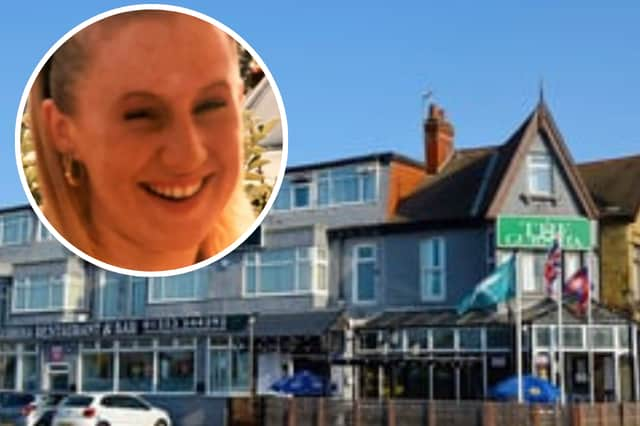
Sabrina Marilyn Lyttle, 47, who was born in Ballymena, was found dead in a disabled toilet last November at The Gurkha - Buffet Restaurant, Hotel & Bar, located on 148-154 Waterloo Road, shortly after 1pm on Saturday, November 30 2024.
Her mum Christine claimed that her daughter had been left to rot for three days while people were ‘sat eating and drinking’.


She said at the time: “She said: “My daughter entered the property on Thursday 28th November to use the toilet but her body was not discovered until Saturday afternoon despite being open and multiple customers reporting the door would not open.
“Not only were people sat eating and drinking enjoying a night out while my daughter’s body lay to rest in the toilets, the restaurant didn’t even have the respect to close for the day after.”
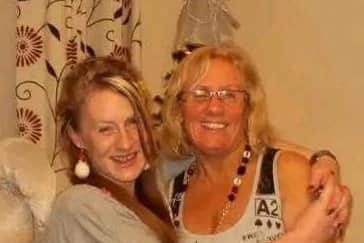
Family members of Sabrina’s including her daughter attended the inquest which was held today at Blackpool Town Hall alongside staff members of the Gurkha restaurant.
The inquest chaired by Area Coroner, Margaret Taylor, heard that staff at the restaurant had called the police after spotting Sabrina through the keyhole of the disabled toilet.
They had tried to unscrew the handle to no avail.
A police officer who is trained in breaking doors attended and forced entry and found Sabrina lying dead face down.
They were able to identify her by her ID and a bank card with her name on it.
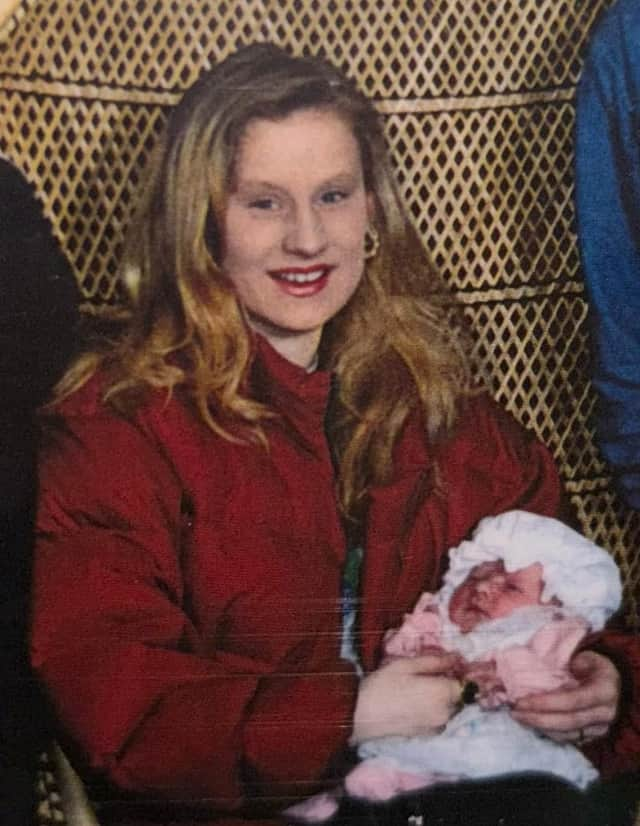
It was revealed that reviewed CCTV footage showed Sabrina entering the restaurant’s premises at 8.30pm on Thursday, November 28, and she was not seen again.
It was also noted that a crack pipe and valium tablets were found on the floor beside her along with a carrier bag containing cherry bakewell tarts and a magazine.
Sabrina, who was described as a “vulnerable woman with complex needs” and a “prolific drug user”, had recently been released from HMP Styal prison after serving three weeks.
Confirming his post mortem findings, Dr. Shepherd - a forensic pathologist said that Sabrina had been receiving methadone maintenance treatment at the time of her death.
He said that he had noticed she was “quite a thin lady” and that she had scars on both her groins which were consistent with drug use.
Internally, there was some congestion of her lungs which he described as typical with this type of death.
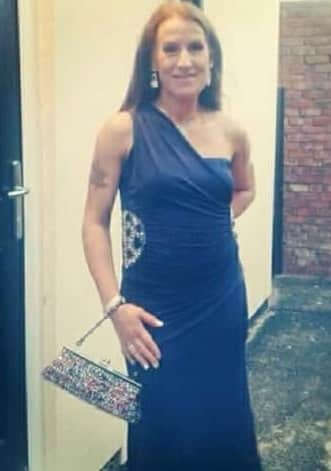
He added that urine and blood tests showed a number of things including alcohol in the urine and a concoction of methadone, cocaine and valium in the blood stream.
In his opinion he found the cause of her death was most likely to be attributed to the use of drugs particularly methadone which can lead to respiratory issues and that it was that of a mixed drugs toxicity rather than an overdose.
Detective Inspector Davy who was also called to give his findings said that he had been a police officer for 22 years and that he knew Sabrina and always found her to be pleasant to him.
Asked if there was any sign of third party involvement, he responded no and that his hypothesis was that Sabrina had entered the restaurant as a place to seek refuge as it was “cold outside” and, having only been released from prison, she had no fixed abode and had taken drugs while inside the toilet cubicle.
He added that he had spoken to many staff who were “very respectful” and that in his opinion, she had died of a medical episode.
Area Coroner Margaret Taylor then asked the family if they had any questions, to which they asked why the toilets were not checked that evening and if they had been, would she have been saved?
She responded by saying that it was probable, that Sabrina had died shortly after entering the toilet as she did not come out and that she was not heard, but that she “simply didn’t know”.
She said: “If she (Sabrina) was found 10-15 minutes after taking medication perhaps she could’ve been saved, but that there is a very high possibility that nothing could’ve been done.”
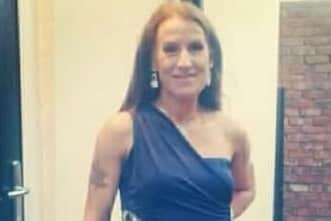
Recording her verdict, she said that Sabrina was a vulnerable woman with complex needs and a history of drug abuse.
She was released into temporary accommodation in a hotel after her prison release and attended one meeting and then was not seen again.
Concluding, she said: “Nothing more could’ve been done to support Sabrina. She was well-known and well-liked within the community, but she got into trouble because of her drug intake.
“It was a drugs related death. She was only 47 when she died.
“She had battled with drug addiction for many years.
“She entered the toilets at 8.30pm on 28th November and wasn’t seen to leave them.
“A crack pipe and valium tablets were found beside her and toxicology reports showed other drugs in her system.
“She either misjudged the amount of drugs taken or the combination.
“The addiction was something she really couldn’t fight.
“Whether she lost tolerance to the medication after being in prison or if it was a combination of substances that lead to her death we will never know.”