
Update on Blackpool's maternity care after last year's CQC 'requires improvement' rating
“The Trust remains committed to continuous improvement.”
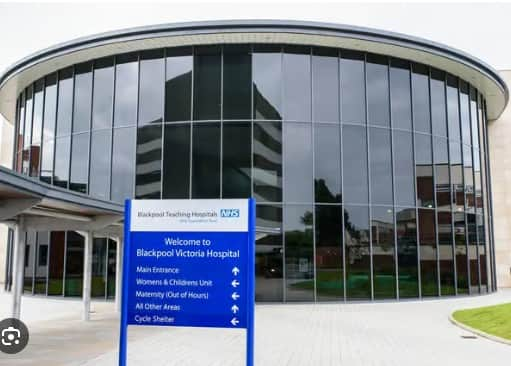
Blackpool Victoria Hospital’s maternity services are continuing to improve after being rated as ‘requires improvement’ by inspectors last year, a report says.
Back in August 2025, the Care Quality Commission (CQC) handed out the rating of the services at Blackpool Victoria Hospital, following an inspection in March.


The CQC team visited the maternity unit, which delivers approximately 3,000 babies every year, to follow up on concerns raised at a previous inspection.
Among the chief issues found in March last year were challenges over staffing, with a lack of consultant availability causing delays in women having high-risk pregnancies and a worrying shortage of midwives, with specialist midwives frequently being redeployed to cover general absences, neglecting community care and home births.
More than a year after being handed the rating, Cat Parkinson, Head of Midwifery and Neonates (Maternity Services) at Blackpool Teaching Hospitals Trust, has highlighted ongoing improvements in a new report.
This will be looked at members of Blackpool Council’s Adult Social Care and Health Scrutiny Committee meeting on November 12.
Points raised in report
The report notes that, following a Rapid Quality Review on August 18 this year, the Trust is no longer deemed in need of being under the Maternity and Neonatal Improvement Support Team programme and has moved to regional oversight as it continues to follow an detailed action plan.
Commenting on progress since the CQC findings, the report says: “Maternity Services continue to deliver the consolidated Perinatal Improvement Plan, bringing together actions from the CQC inspection, national reviews, external assurance and maternity safety programmes.
“The action plan contains 80 actions. At the latest position, 77.5% were embedded and 22.5% remained on track, with no identified risks to delivery.
“Progress continues to be monitored through the Perinatal Assurance Board and established Trust governance arrangements.
“A CQC engagement visit and walk about took place on July 4 2026. No issues were identified during the visit.”
Staffing levels
On the workforce front, the report says: “Midwifery recruitment and retention remain in a good position and we continue to support our students by offering them permanent positions prior to qualifying.
“The consultant obstetric establishment is aligned to the national workforce tool, with vacancies currently covered through long-term locum arrangements.
“All obstetric leadership roles have been covered through job planning and substantive recruitment.
“Neonatal nurse staffing is compliant with British Association of Perinatal Medicine (BAPM) standards.
“An action plan implemented in 2024/25 has addressed previous gaps in “Qualified in Specialty” compliance, which is now sustained.”
In terms of incident management and learning from incidents, the report says that risk management, safety and governance processes have continued to develop and embed following the successful recruitment of a Safety and Quality Lead for maternity.
Incident reporting and learning review is “embedded”, and every incident is reviewed through the maternity daily Triage which mirrors the Trust daily meeting.
This ensures incidents have the appropriate risk grading and action. All moderate and above harm incidents are subject to multidisciplinary review and are reviewed at several levels, the report says.
Maternity survey
Each year the Care Quality Commission (CQC) maternity survey is undertaken and looks at the experiences of pregnant women and new mothers who used NHS maternity services.
The 2025 survey demonstrates overall stability compared with 2024, with no statistically significant deterioration.
Strengths were identified in relational care, teamwork, partner involvement and pain management.
Areas requiring improvement remain focused on postnatal care at home, feeding support, discharge processes and antenatal choice and information.
Anonymous feedback
The Friends and Family Test (FFT) is an anonymous feedback tool that asks service users how likely they are to recommend the care they received.
The report says FFT satisfaction has remained above 92% across the latest reported quarters. Satisfaction increased from 92.20% in Quarter 4 2025/26 to 93.22% in Quarter 1 2026/27 and was 93.08% in Quarter 2.
A total of 486 comments were received across maternity services during Quarter 1 and 508 in Quarter 2.
Positive feedback consistently described: Compassionate, kind and professional staff; Women and families feeling safe, listened to and involved in decisions; Clear explanations, reassurance and support; Positive inclusion of partners; Improved experiences compared with previous pregnancies.
Recurring areas for improvement identified through Friends and Family Test feedback included: Communication and expectations during induction of labour; Waiting times for a doctor in maternity triage and the Maternity Day Unit; Delays in discharge from Ward D; Continuity of midwife; Perceived staffing pressures; Ward environment, privacy and comfort; Delays in checks or pain relief around staff handover time.
Trust committed to improvement
The report concludes: “ Formal complaints have reduced from seven in Quarter 4 to five in Quarter 1 and became more clinically focused.
“Pain relief is no longer a recurrent formal complaint theme. Recurring improvement themes remain communication, waiting times, discharge, continuity, staffing pressures and the environment.
“Monthly triangulation and targeted audits are in place to monitor whether actions result in demonstrable and sustained improvement.
“The Trust remains committed to continuous improvement.”