
This is how much petrol prices have surged in a week in Lancashire - and what it means for your pocket
By now, most of us will have heard about the conflict in the Middle East and possible repercussions for fuel - but how much of an effect is it actually having on our pockets?
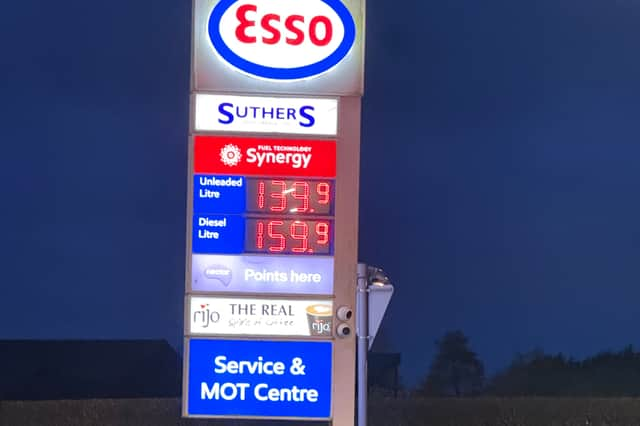
Aware that a sharp rise in fuel prices might be on its way, I brimmed my tank with 41.8L of regular unleaded on Tuesday, March 3, at Suther’s Esso garage in Walmer Bridge.
The fuel was priced at £1.329/L and the total was £55.55.
Yesterday - just seven days later - the same retailer in Walmer Bridge was selling regular unleaded for £1.399/L - an increase of 7p per litre. If I had bought the same amount of fuel a week later, it would have cost me £58.48 - an increase of £2.93.

The RAC is warning that price rises will continue to be seen, and their tracker shows that from March 2 to March 10, the average cost of diesel rose 12.74p per litre, and petrol rose 6.12p per litre. It now marks the steepest rise in prices at the pump since Russia's invasion of Ukraine in 2022.
Edmund King, president of the The AA, said motorists could save money by cutting back on “non-essential journeys” and adopting more fuel-efficient driving styles as pump prices climb.
What is the AA advising drivers to do?
King said the length of the conflict would play a major role in determining how high fuel costs rise. “The longer this conflict goes on, the more effect it will have on the cost of oil,” he said. “Any time Brent Crude passes 100 dollars per barrel raises concern across the markets, for the haulage industry and drivers.
“There will be gradual increases in pump prices, but this shouldn’t happen overnight as fuel has been purchased at previous prices.”
He added that while drivers should continue refuelling as normal, they could consider cutting back on unnecessary journeys and driving more efficiently to reduce fuel consumption.
How high could prices go?
Motoring groups say the outlook for motorists remains uncertain, with Simon Williams from the RAC warning that prices could continue climbing in the short term.
“Average petrol and diesel prices have rocketed in the last week and are unfortunately likely to keep on rising, so the situation for UK drivers is looking increasingly bleak,” he said.
Unleaded petrol could soon average around 140p per litre, while diesel may reach 160p if wholesale costs continue to filter through to forecourts.
Are oil prices starting to stabilise?
Global markets showed signs of stabilising on Tuesday (March 10) after Donald Trump suggested the US-Israel conflict with Iran might be short-lived.
The price of Brent crude fell sharply to just under $91 (£68) a barrel after hitting near four-year highs above $100 earlier in the week.
Despite the drop, analysts caution that oil prices remain highly volatile and could quickly spike again if tensions escalate.
Support your Lancashire Post and become a subscriber today. Enjoy unlimited access to local news, the latest football stories and new puzzles every day. With a digital subscription, you can see fewer ads, enjoy faster load times, and get access to exclusive newsletters and content. Click here to subscribe.