
The staggering number of trees planted in Lancashire this year - and how it's helping you
More than 60,000 trees have been planted this year across Lancashire.
The Ribble Rivers Trust has been behind the work, planting native trees across 100 acres of land within the Ribble Catchment, and it’s only been made possible thanks to dedicated volunteers.
Tree planting typically takes place between late autumn and spring, a period when trees are dormant and less likely to suffer harm during handling and planting. All trees planted by Ribble Rivers Trust are native and responsibly sourced to ensure they are well adapted to local conditions, increasing their chances of survival and long-term growth.
This season also saw a significant milestone for the charity, with the planting of the first trees grown in its Community Tree Nurseries. These trees have been cultivated from locally sourced wild native tree seeds, grown on under the careful stewardship of volunteer. After nearly three years of nurturing, these saplings are now establishing in woodlands across the catchment. An achievement that has been eagerly anticipated.
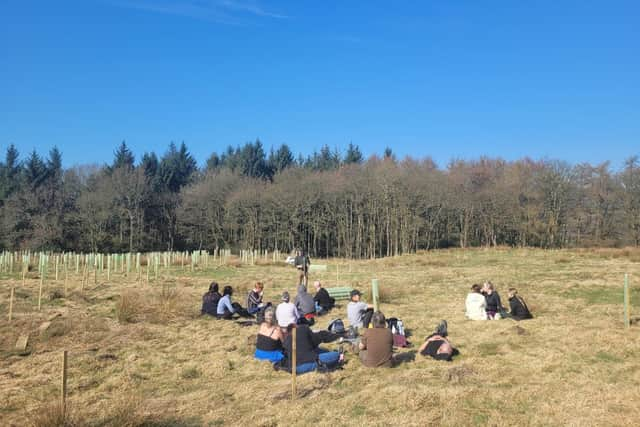

“Woodland planting is a key part of our annual conservation programme, and this year has been among our most ambitious to date,” said Jonny Walker, Senior Woodland Officer at Ribble Rivers Trust. “Each woodland is carefully designed to maximise environmental benefit, enhancing biodiversity, supporting our rivers, and contributing to climate resilience. We’re extremely grateful to our volunteers and are already preparing for the 2025–2026 planting season, when we hope to achieve even more.”
Why do it?
The trees planted this season will deliver a wide range of environmental benefits. As natural flood defences, woodlands slow the flow of rainwater and reduce the risk of downstream flooding. Their root systems help filter out pollutants and sediments before they reach rivers, protecting water quality and supporting aquatic life. Trees also provide essential shade, which helps regulate water temperatures and supports fish populations such as brown trout and Atlantic salmon.
Beyond their importance to rivers and wildlife, trees play a vital role in tackling climate change. Woodlands act as carbon sinks, capturing and storing greenhouse gases. They also contribute to landscape resilience, helping communities adapt to more frequent and severe weather events such as floods and droughts.
How to get involved
Anyone can get involved with volunteer activities such as tree planting, but those who prefer to support woodland creation from the comfort of their home can do so by dedicating a tree to the Trust’s Lancashire based woodlands for £15, while supporters can contribute £3 per month to help fund future conservation projects.
The Ribble Catchment
The Ribble Catchment is the area of land that is drained by the River Ribble and its major tributaries; the Hodder, Calder, Darwen and Douglas. It covers a varied landscape, from the rural hills of the Yorkshire Dales and the source of the River Ribble, to major urban areas of Lancashire including Blackburn, Burnley and Preston.