
St Annes photographer behind the lens at 2026 BRIT Awards as Dua Lipa and Harry Styles light up Manchester

A photographer who began his career developing black and white film for the Blackpool Gazette has returned to one of the biggest nights in British music as an official snapper at this year’s Brit Awards.
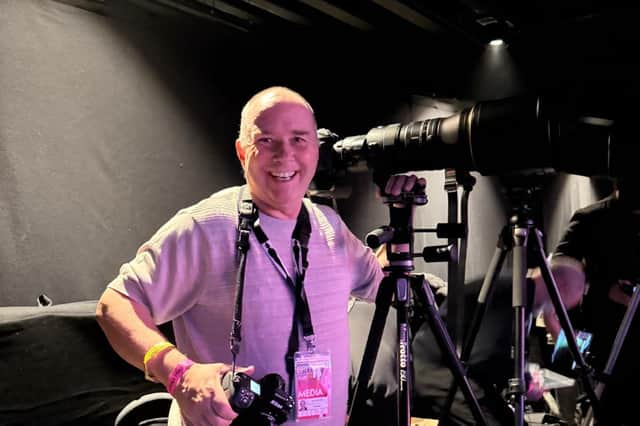
Dave Nelson, 61, from St Annes, was one of around 15 agency photographers granted access inside Manchester’s Co-op Live for the star-studded ceremony, which this year was held outside London for the first time.
“I’ve done the BRITs for about 30 years,” he said. “It’s still one of the bigger shows of the year.”

From the Blackpool Gazette to the global stage
Dave’s career began as a teenager shooting gigs on black and white film for the Gazette.
“The photographers couldn’t be bothered going out after a shift,” he recalled.
“So I’d go and do the gig, develop the films, put the negs through the letterbox and they’d run it the next day.”
He has been photographing live music since he was 16.
“Back then, the big acts were coming to Blackpool. It was right on the doorstep.”
During the 1990s, major touring artists regularly played the Empress Ballroom, helping him build a portfolio that would eventually take him to national tabloids and 25 years shooting for OK! Magazine.
Over the decades he has photographed everyone from emerging acts in small venues to global superstars. He was also present for some of pop’s most dramatic moments.
“I was there when Madonna fell off the stage,” he said. “How she carried on was remarkable.”
Shooting from the back of the arena
At this year’s BRIT Awards, the challenge was technical as well as creative.
Unlike most concerts where photographers shoot from the pit, the BRITs requires photographers to work from a fixed position at the back of the arena.
“Shooting from the back means you need serious reach,” Dave explained.
“The lighting is designed for television, so from a photographer’s point of view it can look deceptively dark.”
Ahead of the show, Nikon supplied him with a 400mm f/2.8 lens with a built-in teleconverter, allowing him to switch between wider stage compositions and tight close-ups.
A 70 to 200mm lens was also used for wider shots.
Upon arrival, wireless transmission systems were set up so images could be sent back in real time to picture desks. However, arena signal proved inconsistent.
“When that happens, you rely on card runners,” he said. “Each photographer has someone taking memory cards back to technicians for rapid editing and distribution.”
Luck of the draw
Before the performances begin, photographers draw for position on the red carpet.
“All the press cards go into a bag and positions are decided by draw,” Dave said.
“Ideally you want to be dead centre between the three stop points so artists are looking straight at you.”
Inside the arena, positions were again determined by ballot.
“Height is everything,” he said. “I chose an elevated spot on the riser because in a crowded pit you need that advantage.”
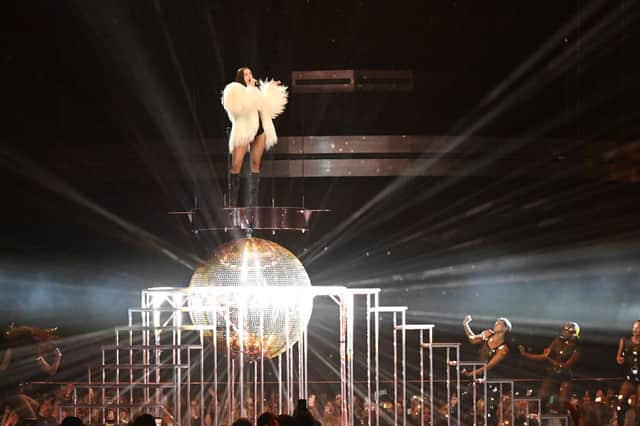
Among the night’s talking points was an unexpected performance from Dua Lipa.
“Dua Lipa was a surprise because nobody knew she was going to perform,” Dave said.
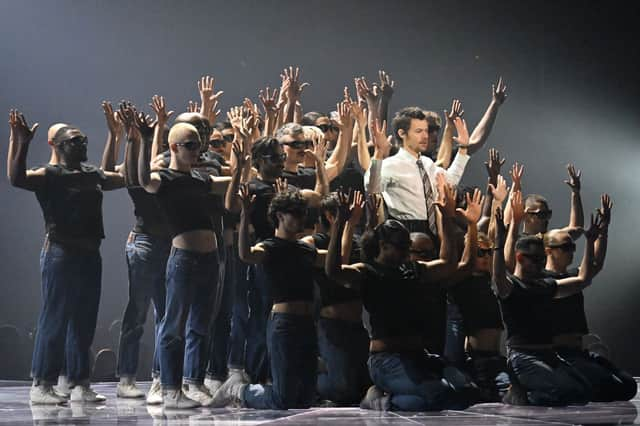
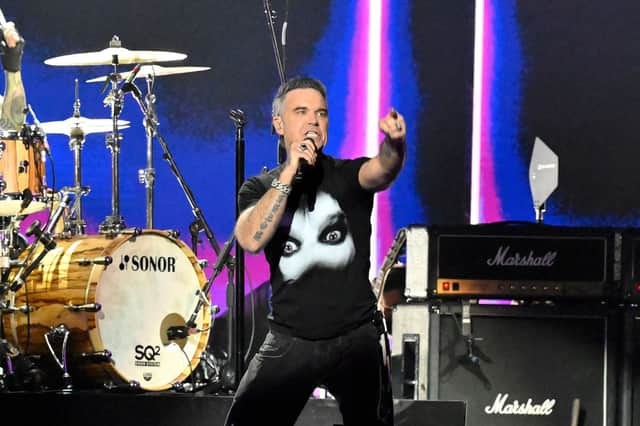
Performances from artists including Harry Styles and Robbie Williams were largely captured at the long end of the lens.
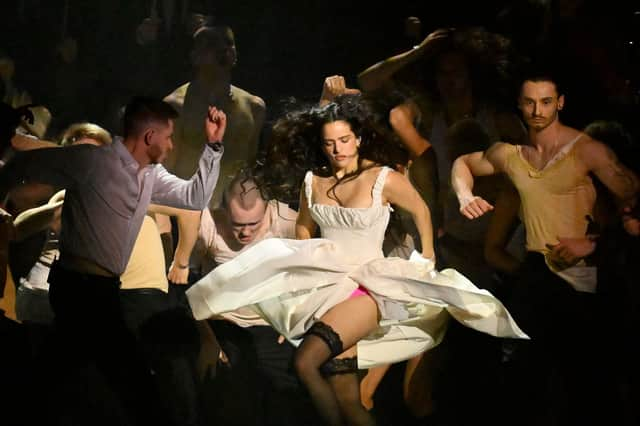
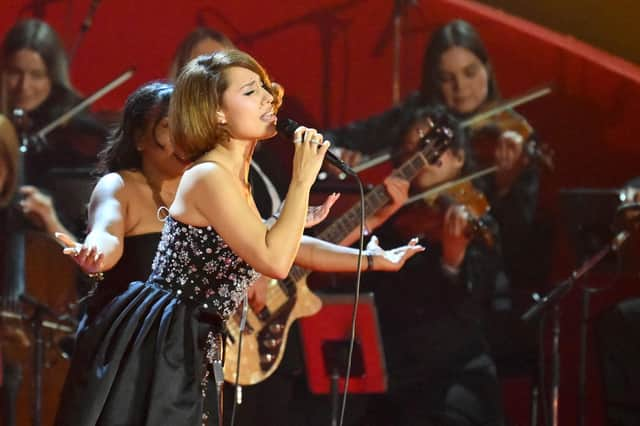
But it was Spanish singer Rosalía who provided his standout image of the night.
“There was one shot that just had this Renaissance feel, dramatic and painterly,” he said.
“That was probably the highlight from a technically demanding night.”
Celebrating a lifetime in music
Away from the BRIT Awards, Dave is now planning to showcase his four decades behind the lens closer to home.
He is currently working on two exhibitions, one focused on his years photographing television stars and soap actors, and another celebrating live music.
“I’ve got that much stuff from the Empress Ballroom,” he said. “It’s like a social history of indie.”
He has been in discussions with the Winter Gardens about staging the music exhibition later this year, drawing on an archive that stretches back to his teenage years shooting on black and white film.
“I’ve been shooting music since I was 16,” he said. “There’s so much there, I could probably narrow it down just to the artists who played here.”
Advice for the next generation
Now 61, Dave admits he is more selective about the events he covers.
“I pick and choose now,” he said. “The industry’s changed. Budgets are tighter and there are fewer photographers in the pit than there used to be.”
For young people hoping to follow in his footsteps, his advice is realistic.
“It’s tough now. Stock pictures pay pennies,” he said. “If you’re starting out, build it alongside something solid. You won’t get the big gigs straight away.”
Shooting up and coming bands is one way to begin building experience.
“It’s easier now with social media. You can message bands directly. Develop your own style and get your work out there.”
He also points to the growing tribute scene as an opportunity for new photographers to gain experience and grow a portfolio.
“They’re selling out theatres now. You might not get paid the first time, but you build your portfolio.”
After more than four decades behind the lens, Dave is still covering some of the biggest nights in British music.
“I’ve been lucky to have the career I’ve had,” he said.