
Lancashire borough named as the best place to live like you're in Bridgerton

A borough in Lancashire has been revealed as the ideal place to live out your best Bridgerton style life.
In a new study, insulation experts National Insulation Supplies have named a Lancashire borough the best place outside of London for buyers looking to own a period or interwar property - and two more Lancashire areas make the top ten.
Inspired by the popularity of the Netflix show Bridgerton, the study identified the percentage of dwellings built before 1940 across 301 local authority areas across the UK.
The researchers say that in recent years, there has been a notable increase in the desire to own period properties, perhaps fueled, by a resurgence in appreciation for historical architecture and unique features thanks to
They say this trend has been significantly influenced by popular media, with shows like Bridgerton capturing the imagination of viewers across Britain. The Netflix series, set in Regency-era London, showcases stunning period homes with grand facades and intricate interiors, sparking a fascination with high ceilings, original fireplaces and ornate mouldings.
On TikTok, hashtags associated with period properties and period property renovation projects have even amassed millions of views.
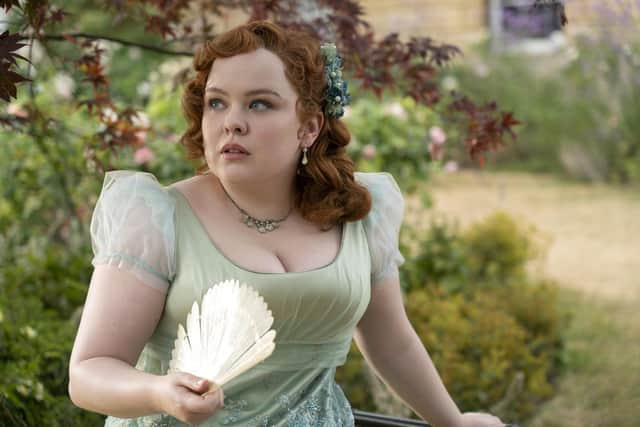

Where in Lancashire is the best place to buy a Bridgerton style home?
Pendle was named as the best place outside of London for buyers looking to own a period or interwar property, with 54.09% of properties being built before 1940. Hyndburn was then the third best place outside of London as 49.06% of its properties were built before 1940, and Burnley was sixth with 45.63%.
When including areas in London, Pendle still comes out as the fourth best place to buy a Bridgerton style property, and Hyndburn the eighth.
Where else is best?
The 10 UK local authority areas outside of London with the highest percentage of properties built before 1940:
Pendle: 54.09% of properties were built before 1940.
Rhondda: 50.74% of properties were built before 1940.
Hyndburn: 49.06% of properties were built before 1940.
Gwynedd: 47.94% of properties were built before 1940.
Blaenau Gwent: 47.09% of properties were built before 1940.
Burnley: 45.63% of properties were built before 1940.
Barrow-in-Furness: 44.18% of properties were built before 1940.
Ceredigion: 43.89% of properties were built before 1940.
Merthyr: 43.74% of properties were built before 1940.
Brighton: 41.74% of properties were built before 1940.
The 10 UK local authority areas with the highest percentage of properties built before 1940 (inc. London):
Kensington: 66.53% of properties were built before 1940.
Hammersmith: 60.69% of properties were built before 1940.
Haringey: 57.47% of properties were built before 1940.
Pendle: 54.09% of properties were built before 1940.
Camden: 51.08% of properties were built before 1940.
Westminster: 50.93% of properties were built before 1940.
Rhondda: 50.74% of properties were built before 1940.
Hyndburn: 49.06% of properties were built before 1940.
Wandsworth: 48.62% of properties were built before 1940.
Waltham Forest: 48.42% of properties were built before 1940.
How to look after your Bridgerton style home
National Insulation Supplies say that unfortunately, period and interwar properties are notorious for having poor energy efficiency, something which typically stems from ineffective insulation. As summer approaches, these properties can be difficult to keep cool.
Below, Michael Wray, insulation expert and owner of National Insulation Supplies, provides top tips on keeping an older property cool during the warmer weather without sacrificing historical integrity.
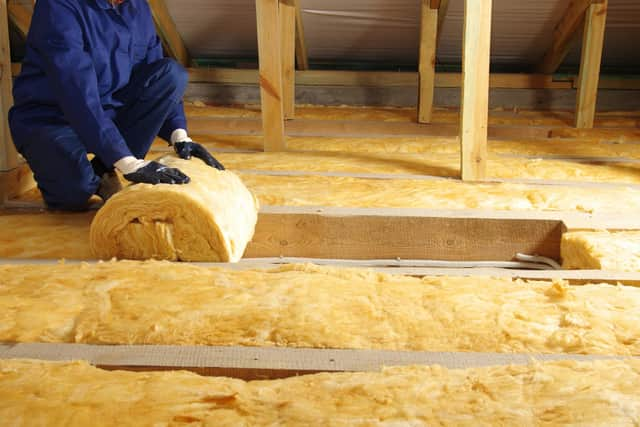
Install reflective window films
“Reflective films, which are thin layers of material applied to the interior surface of a window, can be used to reflect solar radiation, significantly reducing heat gain inside the home. They’re particularly useful when applied to south-facing windows, and do not compromise the appearance of historic windows.
“Reflective films are both extremely affordable and easy to install.”
Make use of natural ventilation
“Leveraging natural ventilation involves using the property's architectural features to promote airflow. Windows, doors and vents can be opened strategically, reducing temperatures without the need for a cooling system.
“Aim to open windows on opposite sides of the home to create a “cross ventilation” effect. Use top-hinged windows and vents to release hot air from the upper levels of the home.”
Get the latest headlines, straight to your inbox, with The LEP’s free emailsor the Blackpool Gazette’s free emails.
Consider installing a retractable awning or shutter
“External shading features, such as awnings and shutters, can be used to block direct sunlight before it is allowed to hit the windows and walls of a home. I recommend choosing a retractable awning or shutters, as these can be adjusted based on the sun’s position.
“Awnings and shutters can be specifically designed to complement the style of your property, but make sure to ensure that any installations comply with local heritage regulations.”
Draught-proof windows and doors
“It might sound counterproductive, but sealing gaps and cracks around windows, doors and floors can actually keep your home cooler in summer by preventing cool air from escaping. Use weather stripping for doors and windows and seal the gaps in floorboards with filler.”