
"Much needed clarity": BAE Systems boss welcomes Government's £15bn boost to defence warchest
BAE Systems directly employs around 13,700 people in Lancashire across its major aerospace sites in Warton and Samlesbury.
The head of BAE Systems has welcomed news that the Government is ploughing an extra £15bn into its defence budget.
Outgoing Prime Minister Sir Keir Starmer announced on Monday that the Defence Investment Plan will be backed by £298 billion of investment across the next four years, including £15bn of additional spending on top of last year’s Spending Review.
It will see an increase in defence funding from £54 billion a year to almost £80 billion a year by 2029, and will see the UK’s defence spending increase to 2.7 per cent of GDP.
Key funding includes more than £8 billion in the Global Combat Air Programme (GCAP) over the next four years, progressing the programme which will build a next-generation stealth fighter jet for the Royal Air Force, alongside close allies Japan and Italy.
Jobs
The Government claim the spending uplift will also create nearly 60,000 extra direct and indirect UK industry jobs by the end of the decade, taking forecasted defence spending-related jobs supported in the UK to more than half a million.
BAE Systems directly employs around 13,700 people in Lancashire across its major aerospace sites in Warton and Samlesbury.
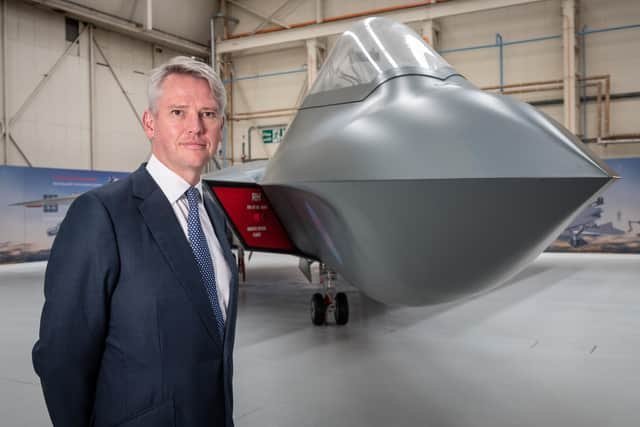

Charles Woodburn, BAE Systems Chief Executive, said: “The Defence Investment Plan provides much-needed clarity for industry and a clear strategic direction for our armed forces.
“The government's commitment to increased defence spending is vital to sustaining the specialist skills across our industrial base critical to national security, while also signalling to our adversaries that the UK is serious about its defence.
“At BAE Systems, we continue to invest in our business to drive innovation, enhance productivity and build capacity, as we play our part in meeting the elevated demand. We're committed to working with our partners and suppliers to deliver the equipment and services our armed forces need - from fighter jets, warships and submarines that form the backbone of the UK's enduring deterrence, to agile, disruptive technologies like uncrewed and autonomous systems.
“Together, we'll ensure the UK armed forces have what they need to safeguard our national security now and in the future.”