
Most dangerous driving areas in the UK revealed - and two are in Lancashire

New research has revealed the UK’s most dangerous areas to drive in outside of London, with Blackpool coming out on top.
The study by car parts marketplace Ovoko who collected historical data from the Department for Transport Statistics to see which UK areas had the highest average collisions per billion vehicle miles between 2013 and 2022.
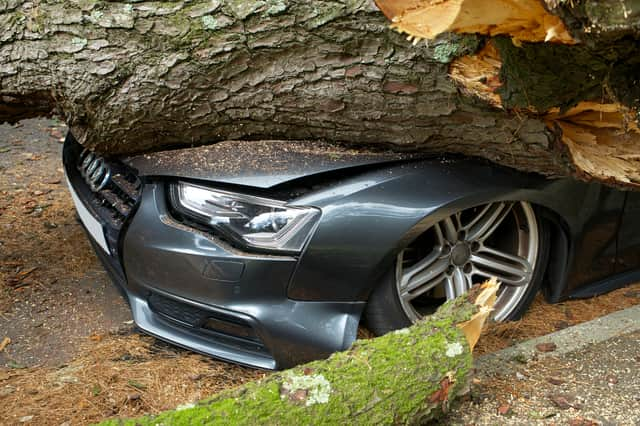

It was found that the Blackpool area is statistically the UK’s most dangerous area to drive outside of London.

Between 2013 and 2022, there were, on average, 1,076.85 collisions per billion vehicle miles in the area. 2013 was found to have the highest numbers, with 1,289 collisions per billion vehicle miles.
Hull was second with an average of 927.39 collisions per billion vehicle miles.
Third was the Luton area, which has had 898.34 collisions per billion vehicle miles on average across the years recorded in the study.
Fourth place went to the South East area of Brighton and Hove, coming in with 885.30 collisions per billion vehicle miles on average.
In fifth place was Bournemouth, which comes in with 833.68 collisions per billion vehicle miles.
When looking at all UK areas, on average, each area has had 454.56 collisions per vehicle miles over the period studied.
Sixth place was Southampton South East with 832.96.
Seventh was Reading South East with 807.12.
Eighth was Nottingham East Midlands with 806.84.
Ninth place went to Blackburn with Darwen with 805.86 collisions per billion vehicle miles in the area.
Tenth went to Southend-on-Sea East of England with 777.65.
Get a bespoke headline round-up, as well as breaking updates, when you sign up to the The Lancashire Post’s free emails
A Spokesperson for Ovoko said: “While London may dominate the top 10 for dangerous drivingareas, to see how diverse the locations of the other dangerous areas are is interesting as well.
“While many areas have also seen an improvement over the past 10 years for road safety, in some it is currently on the uptick when looking at the latest results from 2022, and it will be worth noting whether this trend continues into the 2020s.”