
Leyland's Garth Prison described an an 'airport' with drones flying drugs in - and violence up 45%
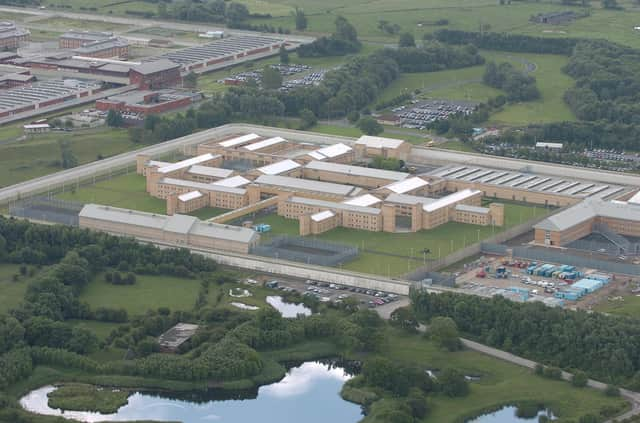
A Lancashire prison housing “very serious offenders” has been described as an ‘airport’ due to the amount of drones flying drugs in.
A new report out today says HMP Garth near Leyland “is facing major security issues from the ingress of drugs and a breakdown in safety and security, with around a 45 per cent increase in violence and many prisoners needing protection because of drug-related debt.”
The HM Inspectorate of Prisons report said that the prison has become “noticeably less safe” since the last visit in 2022, and that “some of the wings (are) now feeling chaotic”.
Burning holes in windows
His Majesty’s Chief Inspector of Prisons said that prisoners were burning holes in their perspex windows to allow the entry of drones laden with contraband, and the smell of cannabis was “rife”. Sixty-three per cent of men surveyed said it was easy to get hold of drugs with one, referring to the sheer number of drones coming into the prison, describing the jail as having become an ‘airport’.
Charlie Taylor, HM Chief Inspector of Prisons said: “Garth holds some very serious offenders. Although the governor had a good understanding of the many challenges the prison faced, without better support from the regional team and the prison service it will continue to be a jail of real concern.
“It is imperative that the prison service finds a way to stem the ingress of drones to reduce the supply of drugs into prisons like Garth, so they can begin to reduce violence and get men out of their cells and into a full day’s work and training. Staff attendance and capability will need to improve significantly and without substantial investment from the prison service, drugs will continue to flow into this troubled jail.”

Staffing issues
The report details how very high levels of sickness among officers was affecting the prison’s ability to operate effectively in many areas, and cross-deployment from the security team meant that searches were often cancelled, and the governor had recently implemented a part-time regime.
It says: “Morale among staff members was poor and the many inexperienced officers had not had sufficient training or support in the role. Bids to the centre to bring in the Standards Coaching team to improve capability had been refused. Officers often congregated in offices and inspectors were disappointed by how few custodial managers or other middle managers they saw out on the wings. Staff were unable or unwilling to challenge frequent unruly behaviour and rule breaking by prisoners.”
Inspectors said that there were few incentives for doing the right thing and “delays or cancellations of adjudications were so common that prisoners got away with very serious behaviour without any consequences.” In addition, the prison’s systems for logging violence and self-harm were inadequate, with many incidents going unreported.
Building deterioration
The report also slams the conditions inside the prison. Mr Taylor said: “At our last inspection in 2022, we reported on a prison in need of considerable refurbishment. Disappointingly, funds had not been provided and things had continued to deteriorate with leaking roofs, peeling floors, and parts of the older wings in an advanced state of dilapidation. Many cells did not have furniture, and new arrivals told inspectors they were being made to pay for chairs or storage units by other prisoners – another sign of the lack of supervision on the wings. “
The Prison Service
A Ministry of Justice spokesperson said: “The new Government inherited a prison system in crisis and reports like these demonstrate the need for robust action to get the situation back under control. We have zero tolerance towards violence and drugs and our security measures, such as X-ray body scanners and anti-drone no-fly zones, detect and stop drugs from entering our prisons.”
Background
Since June 2016, police and prison staff have worked collaboratively to make over 90 drone-related convictions amassing a total of more than 315 years behind bars for those who broke the law.
In January, 400-metre Restricted Fly Zones were established around all closed prisons and Young Offender Institutions in England and Wales.