
'They're dealing drugs to our kids' - Lancashire Police reveal major plans for ketamine raids on Fylde coast

“It’s cheaper than other Class A drugs, so kids can get hold of it for pocket money. That’s a worry.”
Lancashire Police have confirmed that more raids are planned across the Fylde coast this week as authorities tackle the growing issue of ketamine use in the region.
Speaking exclusively to The Gazette, Lancashire Police’s Detective Chief Inspector Tom Edmondson revealed that, following three recent raids in Blackpool and Fleetwood, four more operations are imminent at addresses on the Fylde coast as part of Operation Shore.
“In my 25 years in the police, the impact of ketamine on young people has been one of the biggest issues I’ve seen,” said Detective Chief Inspector Edmondson. “The dealers are dealing to our children, causing damage to our children, taking advantage of our children. And they know it.
“Blackpool, Preston, and Blackburn are probably our highest harm areas,” he added. “Ketamine is popular amongst young people, and that’s the first concern, but that’s highly likely to be because of availability and affordability. It’s cheaper than other Class A drugs, so kids can get hold of it for pocket money. That’s a worry.”

Ketamine adverts on social media
“We know ketamine is being targeted towards young people and it’s advertised a lot through social media which children and young people use, like Instagram and Snapchat,” said Det Chief Insp Edmondson. “So it’s easy to access and it’s cheaper than alcohol, but it causes quite significant harm.
“Ketamine has also been linked to a mental health crisis amongst young people because it’s a coping mechanism for those who have self-diagnosed with mental health problems. It masks feelings, but the issue with that is that, contrary to [prescribed] drugs designed for that, it’s damaging physically. That’s where the health impact comes from.
“As part of Op Shore, we’ve engaged with people with lived experience who’ve been through ketamine addiction and come out the other side,” said Det Chief Insp Edmondson. “They’ve spoken of the masking effect and how the only way they could continue to mask [feelings] is to take more ketamine.
“There’s context to anyone who’s addicted, because it impacts friends and families as well as the user themselves.”
Enjoy unlimited access to local news, the latest football stories and new puzzles every day
With a digital subscription, you can see fewer ads, enjoy faster load times, and get access to exclusive newsletters and content. Click here to subscribe
Operation Shore
Lancashire Police have stepped up their efforts in the fight against ketamine over recent years.
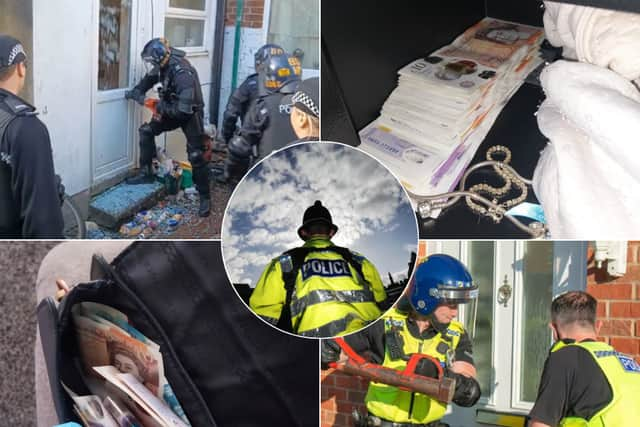
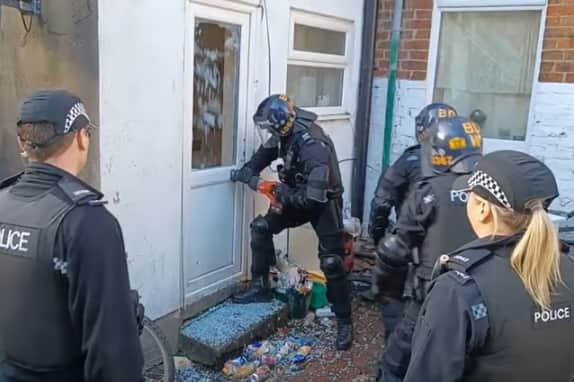
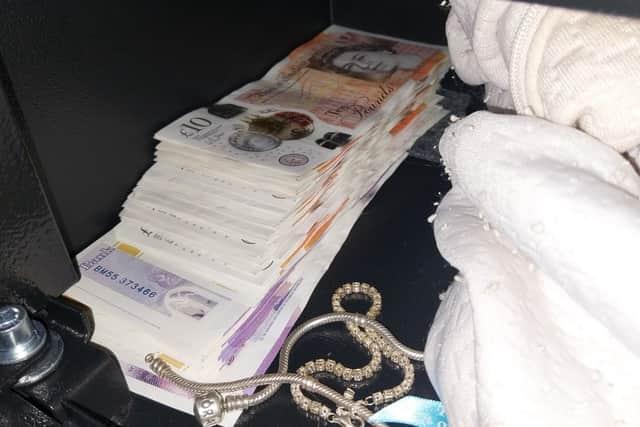
Operation Shore, geared at tackling the supply and demand of the Class B drug, culminated in 19 high-impact warrants being executed across Lancashire last week in which 32 arrests were made, around £27,000 in cash was recovered, and weapons ranging from machetes to zombie knives were seized.
There have been 294 ketamine-related offences recorded during the past three years in Lancashire, with year-on-year increases.
However, police believe the issue to be under-reported, prompting them to appeal for more information from the public to help them combat the scourge of ketamine use across the county not only by tackling dealers, but by educating children, parents, and associated professionals such as teachers about the dangers of using the drug.
All the latest news and top stories from across Blackpool and the Fylde coast directly to your phone.
Never miss a thing. Click here to join
‘We want to find dealers’
“We can only respond to this if the public helps us and provides us with intelligence and information to go through doors, because we will go through doors and we will lock up drug dealers. Essentially, if you’re dealing, we’re looking at bringing you in and taking you off the streets because it’s all about protecting our young people and our communities.
“Last week was about going through doors and putting pressure on drug dealers, but we also do multi-agency work delivering educational provision at higher educational institutions and targeting the night-time economy.
“We want to find drugs and dealers, but the other side of it is working closely with partners and health [professionals] to understand the impact on our region so we can protect our youngsters.”