


From world-famous sweets and biscuits to traditional cheesemakers and brewers, we look at the household names that have put Lancashire on the map.
Lancashire has given the world some of its most recognisable household names, from the unmistakable taste of Fisherman's Friend to the pies, biscuits and cheeses that have been enjoyed by generations of families.
Some began as small family enterprises, with recipes and traditional methods passed down through the generations. Others grew into international businesses, taking the county's manufacturing reputation far beyond its borders.
In the first of our two-part series, we explore the history of some of the best-known food and drink brands with Lancashire connections, including those that continue to manufacture their products here today.
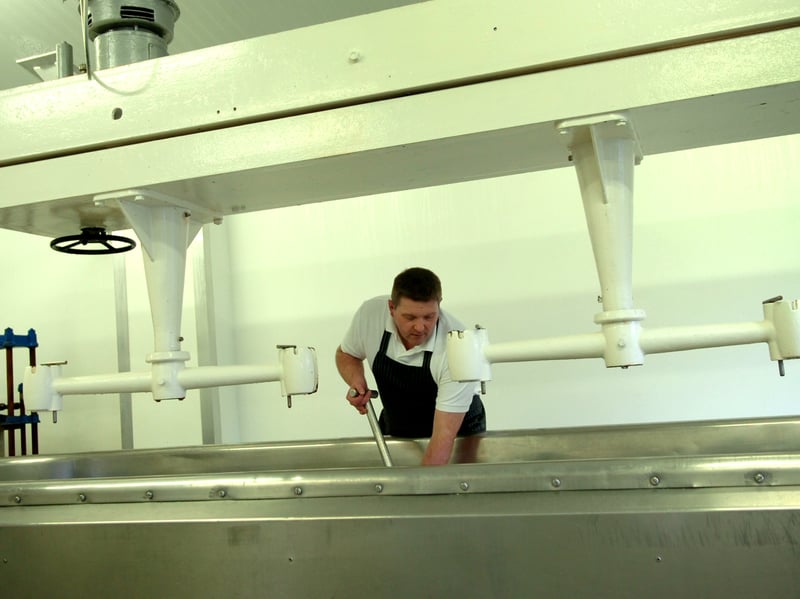
13. Mrs Kirkham’s Lancashire Cheese
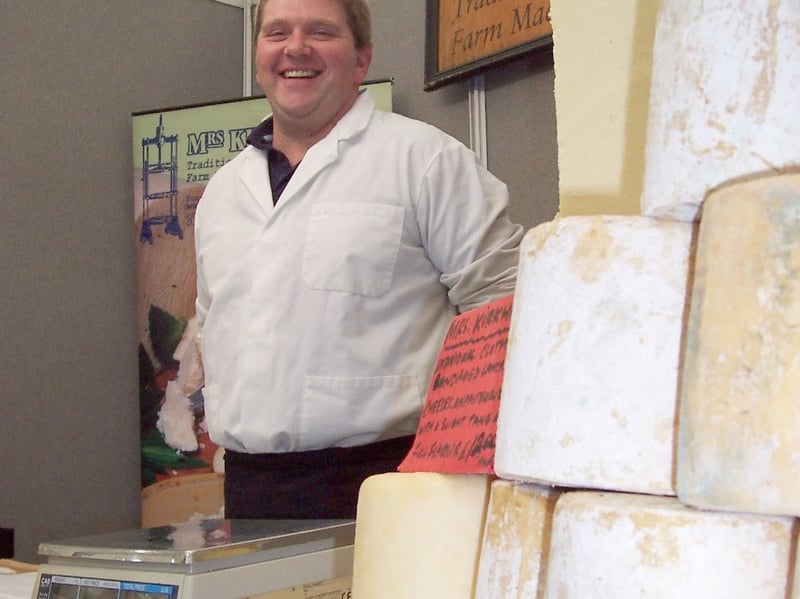
Graham Kirkham from Mrs Kirkhams Lancashire Cheese near Goosnargh Mrs Kirkham’s Lancashire Cheese is one of the county’s traditional farmhouse cheesemakers. The business began in September 1978 when Ruth Kirkham started producing cheese at Beesley Farm, near Goosnargh, overlooking Beacon Fell. The family had already been farming in the area for decades, and the business developed around traditional methods of producing Lancashire cheese from raw cows’ milk. The business subsequently passed to Ruth’s son Graham Kirkham, with other family members becoming involved in production. Its cheese continues to be made by hand at the family farm, using milk from its own herd. Mrs Kirkham’s is one of the remaining producers of traditional raw-milk Lancashire cheese, distinguishing it from the many mass-produced varieties sold nationally | Staff
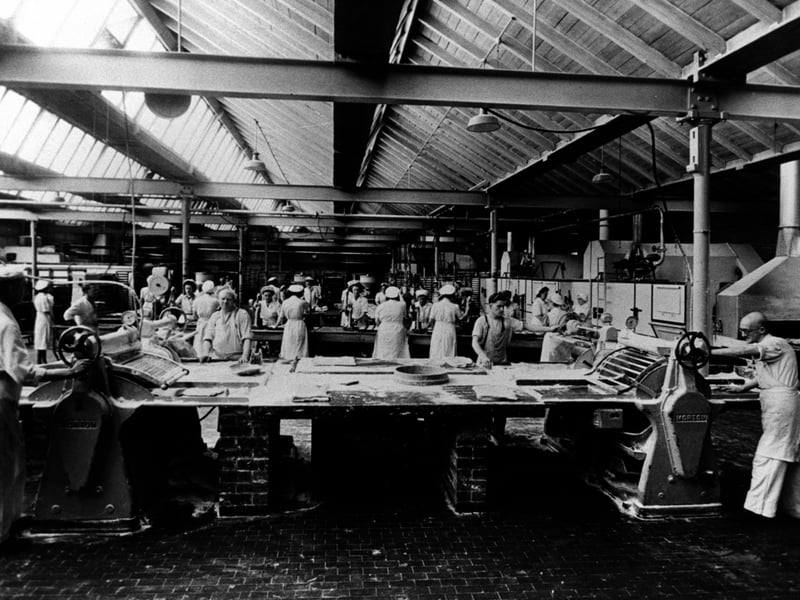
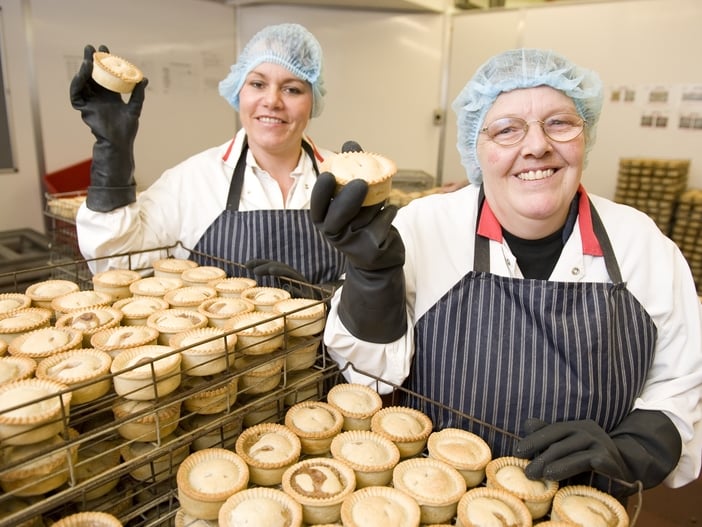
15. Holland's Pie Factory.
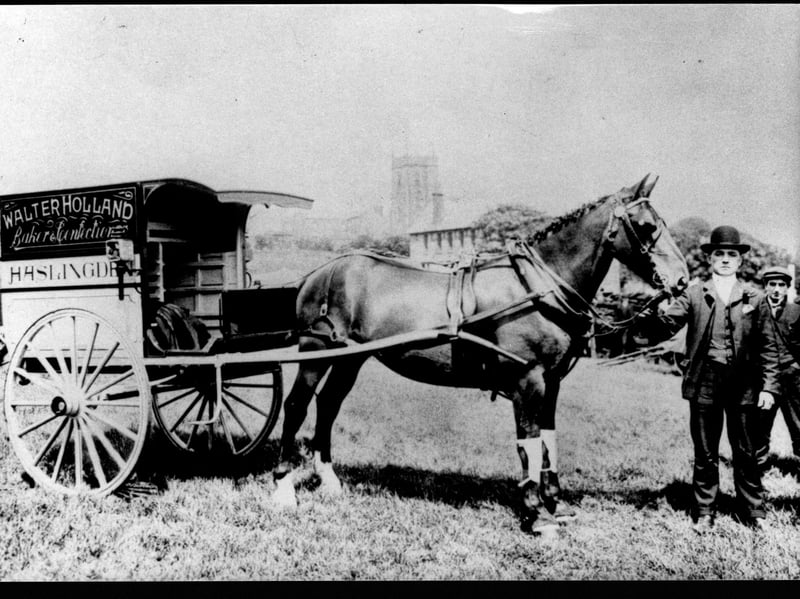
Holland's Pie Factory. The famous slab together with the dough machine that made the lids for the pies. Holland’s Pies began in 1851 as a small Lancashire bakery and developed into one of northern England’s most recognisable food brands. The company became particularly associated with pies and puddings, supplying families, retailers and fish and chip shops throughout the region. Its connection with Baxenden began on May 27, 1929, when the company purchased a disused cotton mill and replaced the looms with purpose-built baking ovens. The company continued expanding during the twentieth century. By 1938, its delivery fleet had grown to 20 vans supplying customers across the North. Production continued during the Second World War, although rationing forced the business to abandon its cake production. Holland’s was sold to London-based R Gummer Ltd after the war, but retained its name and its Lancashire manufacturing base. The company continues to manufacture pies and puddings at Baxenden | Contributed
18. Uncle Joe's Mint Balls
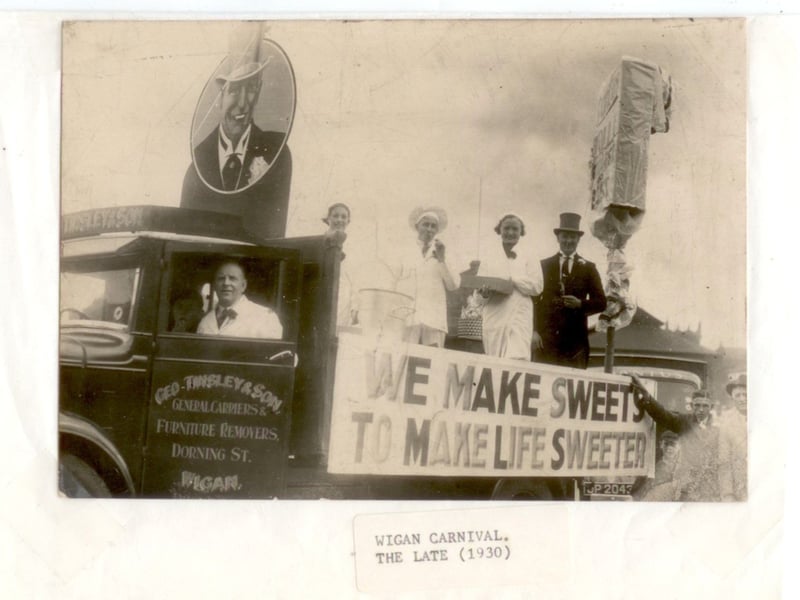
Uncle Joe's Mint Balls represented at Wigan Carnival in the 1930s. Uncle Joe’s Mint Balls originated in Wigan in 1898, when Ellen Santus began making sweets in the kitchen of her terraced home in Acton Street. Her husband, William Santus, sold the sweets from his market stall, and the distinctive peppermint-flavoured boiled sweets quickly became popular. The business expanded into commercial production and established its factory in Wigan town centre between 1919 and 1921. The business has remained associated with Wigan ever since, with its distinctive red-and-white striped packaging and the familiar Uncle Joe character becoming recognisable far beyond the town. Production still follows methods similar to those used by the original founders, although modern machinery has been introduced to increase capacity. The sweets continue to be manufactured at the company's historic Wigan factory | User (UGC)