
Kind-hearted ‘rescuers’ in resorts like Blackpool advised by RSPCA to leave 'abandoned' gull chicks alone
"Sadly many well-meaning passers-by will mistake this for abandonment”
Wildlife rescue organisations are urging kind-hearted members of the public to check advice before attempting to help or “rescue” young gulls as admissions continue to rise each year – many of which are unnecessary.
Blackpool and the Fylde coast has a sizable herring gull population and every summer residents are familiar with the anxious gull parents swooping down and ungainly chicks falling out of nests and appearing to need help.
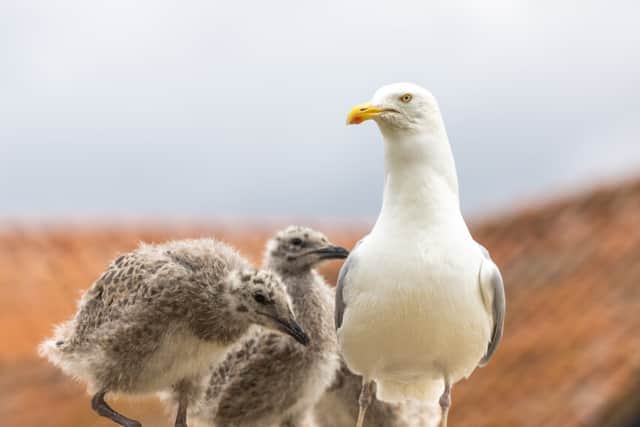

But organisations such as the RSPCA and the British Wildlife Rehabilitation Council (BWRC) have raised concerns because thousands of gulls are being brought into their care across the UK every year – but a number of these are healthy chicks or fledglings that did not require help.
Verity Miles, wildlife rescue expert at the RSPCA said: “Each summer, our wildlife centres see a surge in young gulls being brought in by kind members of the public.
“Gulls are such underappreciated animals, so it’s amazing so many people want to help them. However, in many cases these birds have not been abandoned, but have left the nest as they learn to fly – this is a normal part of their development.
“Their parents will usually remain nearby and continue to feed and protect them, but sadly many well-meaning passers-by will mistake this for abandonment.”
Wildlife rescue teams are also receiving many thousands of calls from concerned members of the public, particularly during the peak breeding season.
Experts from the RSPCA and BWRC warn that unnecessary intervention can actually do more harm than good.
Paul Reynolds, Chair for the BWRC, added: “Taking a healthy chick or fledgling away from their parents can cause stress to the young bird and significantly reduce their chance of survival.
“Not only that, but it is also an offence to disturb, or take gulls or eggs from their nests, unless absolutely necessary, so you may inadvertently be breaking the law by bringing in gulls that are not sick or injured.”
As well as the risks to the birds themselves, this surge in admissions means a strain in resources at rescue centres as they are potentially diverted from helping genuinely sick and injured wildlife.
However, there are exceptions where birds genuinely do need help. An adult seagull rescued from the lake at Stanley Park recovered well from its ordeal in the expert care of Brambles Wildlife Rescue.