
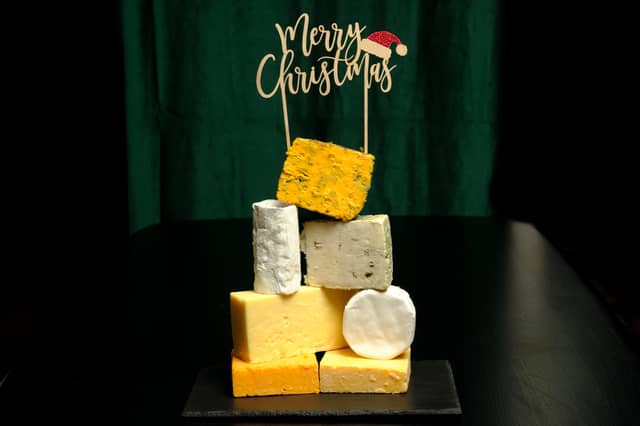

With the majority of Brits planning to indulge in at least one cheeseboard this Christmas and 70 per cent of us more willing to try new types of cheese compared to the rest of the year, fourth-generation Lancashire family cheesemakers Butlers Farmhouse Cheeses have teamed up with cheese expert and World Cheese Awards judge, Patrick McGuigan AKA “the walking cheese encyclopaedia”for his tips on creating a memorable and delicious festive cheeseboard.
Check out what Patrick has to say on the pages below.

1. Patrick McGuigan
Food journalist and cheese writer Patrick McGuigan has travelled the world to write about cheese makers, maturers and retailers. He is a senior judge at the World Cheese Awards, teaches cheese courses at the School of Fine Food and is a co-founder of the London Cheese Project festival. He's now teamed up with Butler's Farmhouse Cheeses to make sure you have the perfect festive cheeseboard. | submit
2. Say no to boring things
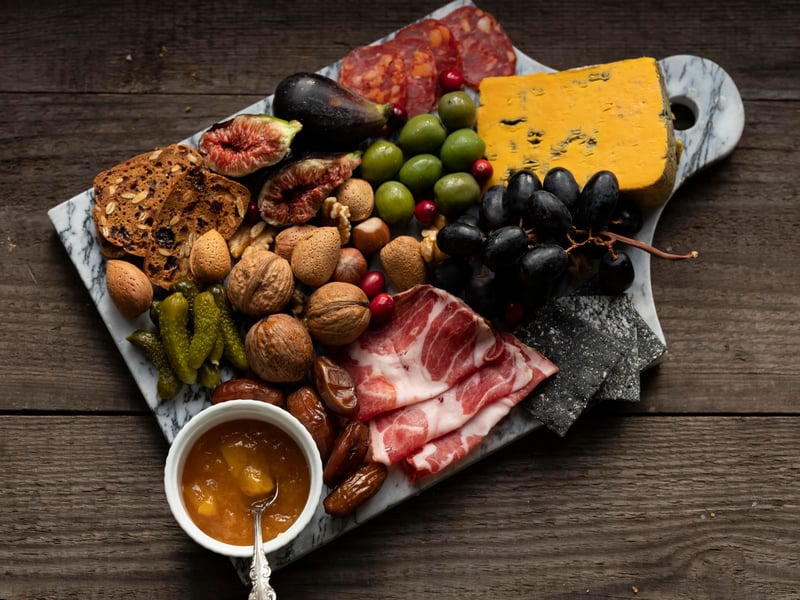
We will spend on average, £22 on cheese this Christmas and two-thirds of us (66 per cent) will spend up to £50, so it should not go to waste with a poorly or hastily chosen and presented cheeseboard,” says Patrick. “A grey slate for the board itself looks great against the white or golden colour of cheese. A butcher’s block raises the cheese higher and gives it even more impact. “I also like to give cheese some height, for example point a wedge facing up instead of on its side and stack cheese on top of each other. It’s a nice idea to buy little flags to describe each cheese or write on a slate board with chalk. Brown parchment paper over a board looks fantastic and write on the paper to label the cheese.” | submit
3. Build from the spine
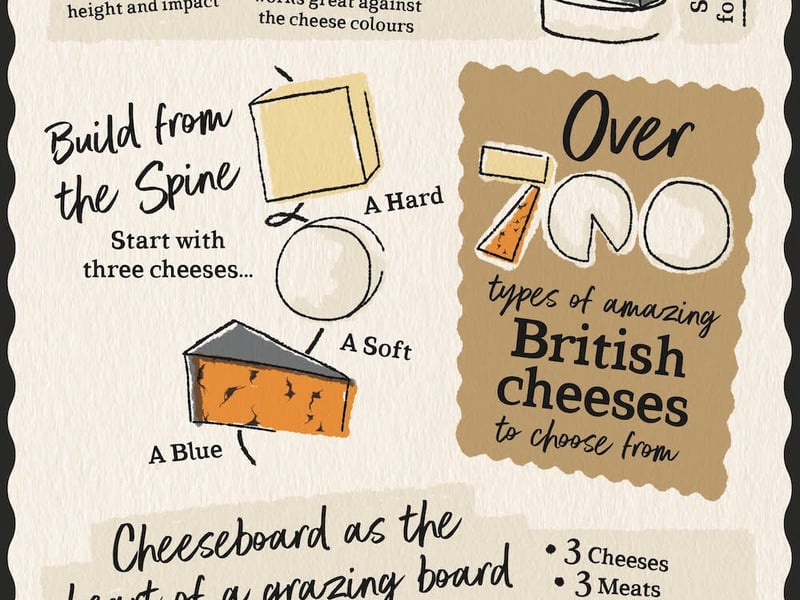
Start with three cheeses; a blue, soft and hard,” says Patrick. “This is the spine of your cheeseboard, and it should give a mixture of textures and colours. These cheeses will usually be cow’s milk so add a sheep’s milk cheese like Parlick, or a goat’s milk cheese such as Raven’s Oak.” Head Cheese Grader, Bill Yates, from Butlers Farmhouse Cheeses adds: “I recommend four or five cheeses on your board and around 100-150g per piece is about right for a small group. There are over 700 types of amazing British cheeses to choose from, and Christmas is a great time to give something new a try - a crowd-pleasing blue cheese like Blacksticks is great if blue cheese isn’t in your normal, year-round repertoire. 70 per cent of people are willing to try new cheeses at Christmas, so this is the perfect time to try a small amount of something new.” | submit
4. Make cheese the star of the show
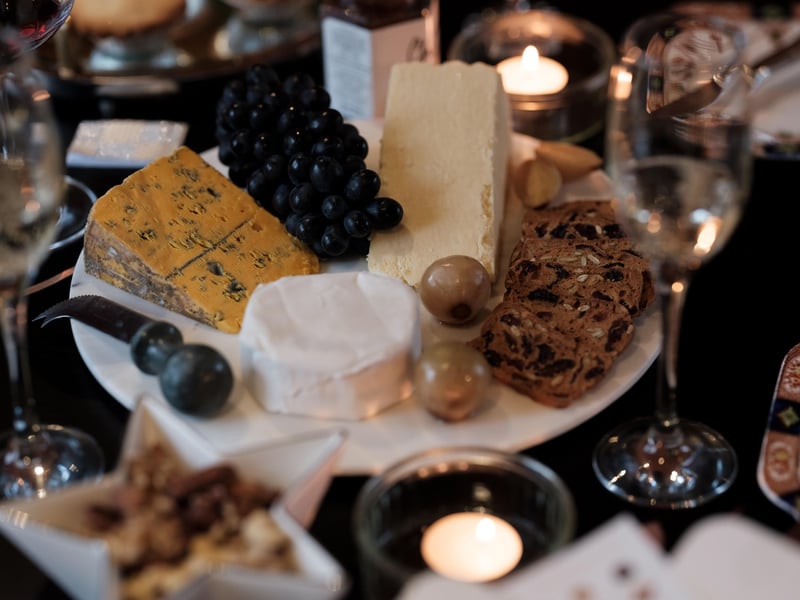
“Cheese is always the star of the show,” says Patrick, “but Christmas is a great excuse to turn a cheeseboard into a banquet. The grazing platter trend shows no signs of slowing down and can have a huge impact on guests, turning the table into an Instagram-worthy moment. “Almost a third (32%) of people are keen to impress their guests with their choice of cheese and layout of their boards. Guests will eat with their eyes first so create a grazing platter style board by filling the space between the cheese with salad leaves, olives, cured meats and crisps. It needs to look full and luxurious for this look to work. “There is a 3-3-3-3 rule for creating a grazing board. This is how to balance out the items and includes three cheese, three meats, three carbohydrates such as crackers or types of bread and three other accompaniments such as dried fruit, salad, nuts or chutneys and honey.” | submit Photo: submit
5. Wine pairing
“Don’t worry about trying to pair each cheese with wine – you’ve likely already had a few drinks during the day,” says Patrick. “While red wine is what people often think goes best with cheese, a white wine such as Riesling or a dry Chardonnay pairs well, as its acidity will cut through any cheese. I recommend lighter red wines that don’t have a lot of tannins, like a Pinot Noir, as the heavier reds can clash with blues and soft cheeses. “Sparkling wine goes with everything as it’s a bit lighter and livens up the palate, balancing the richness of cheese. The carbonation of beer and cider also work well.” | submit
6. Cutting cheese
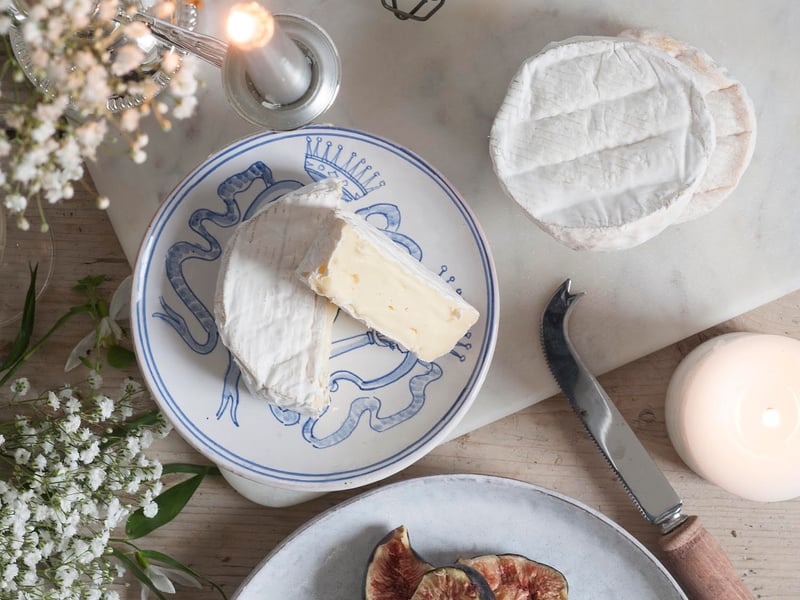
There is a right and a wrong way to cut a piece of cheese, as Patrick explains: “Cheese needs to be cut in a cross section from the centre (the heart) to the rind. The heart is more protected so can taste citrusy and fresh, and the rind is usually has more intense, savoury notes. “Avoid cutting the thin end of the wedge (the nose) as it only offers one part of the flavour profile. It’s a good idea to pre-cut some slices or cubes on the board to ensure guests follow the cheeseboard etiquette of how to cut their own portions.” | submit