
Here's how your photographs could help save the Fylde coast
Families across Fylde are invited to become citizen scientists and help protect the coastline by photographing key locations along the shore.
Families in Fylde now have the chance to become citizen scientists and play a vital role in protecting the local coastline through the new ShoreLens community science programme.
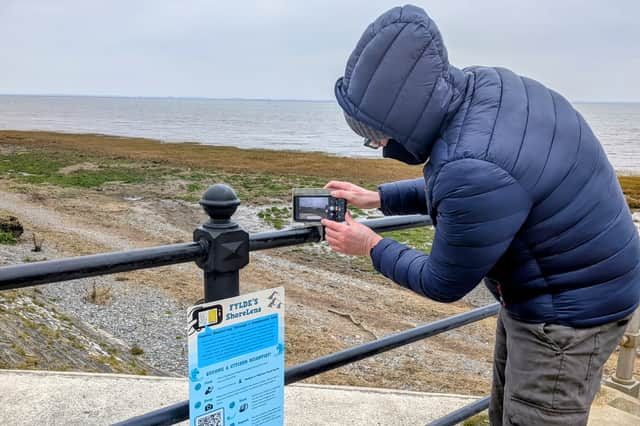
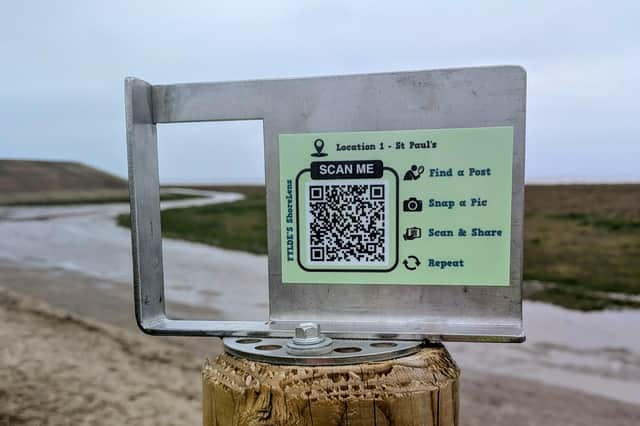
Launched this month as part of the Our Future Coast project the initiative invites residents to take photographs at dedicated posts along the shore, helping scientists track how saltmarshes, sand dunes and shorelines respond to storms, sea level changes and habitat restoration efforts.
The project is part of the £200 million national Flood and Coastal Innovation Programme managed by the Environment Agency, which explores ways to work with nature instead of relying solely on traditional concrete defences.

In Fylde experts are trialling innovative biodegradable grids made from potato starch at Granny’s Bay.
These grids naturally break down over 5-10 years, trapping sediment and supporting the growth of saltmarsh plants.
This creates natural flood defences while providing vital habitats for local wildlife.
Councillor Tommy Threlfall, Lead Member for Environment, said: “This is a fantastic opportunity for our residents to get involved in protecting our beautiful coastline for future generations.
“Every photograph taken helps scientists understand how our coast is responding to the changing climate. I’d encourage families to visit one of our photography posts and become part of this important project, while appreciating the natural beauty of Fylde’s coast.”
Residents can begin contributing immediately by visiting one of the ShoreLens posts at St Pauls, Granny’s Bay, Fairlawn Road North and South, Sand Trials, Sand Winning Track, North Beach and North Prom.
Local volunteers are also encouraged to join marine, bird and plant life surveys to support ongoing research on saltmarsh habitats.
Every photograph tells a story about the evolving coastline. By participating, families not only capture stunning seasonal changes but also help safeguard Fylde’s future against climate challenges.