
Helping Blackpool families put food on the table has been the best four years of my life
Chris, who has run the Community Grocery for four years, says the scheme is helping families save money while providing vital support.
A community-led supermarket model is helping thousands of families cut food costs while tackling waste across the UK.
Sign up for our Blackpool Gazette retro newsletter - warm nostalgia delivered to your inbox - weekly.
Run by charity partners, Community Grocery aims to “bridge the gap between food banks and supermarkets”, offering discounted food alongside wider support for people struggling with the cost of living.
Members typically pay a small annual fee and can then access low-cost shops multiple times a week, choosing from fresh produce, cupboard staples and household essentials.
NW Regional Manager of Blackpool Community Grocery, Chris Lowry, who started nearly four years ago and runs the Bispham store, said: “We have a small number of paid staff, but most of the team are volunteers. We don’t make a profit - everything goes back into buying more food to help more people. We’re not a food bank - we’re a bridge between a food bank and a supermarket.
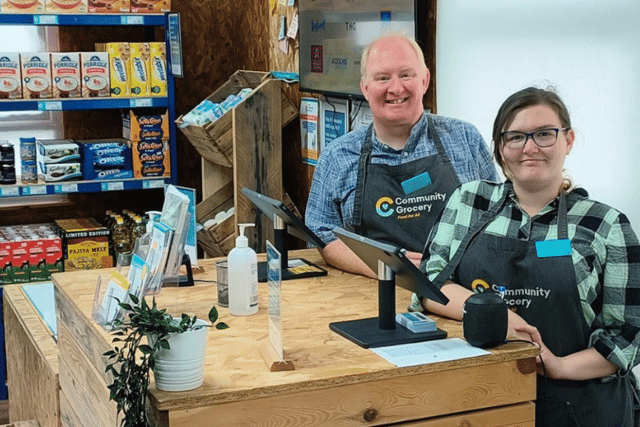

“These have been the best four years of my working career and we have around 4,000 families registered with us. We’re part of a network of 37 stores across the UK serving around 100,000 people.
“We sell products at about a third of the price you’d pay in a supermarket… so people feel like they’re getting proper shopping.
“The membership scheme normally has a joining fee, but at the moment, because we’ve had funding from the council, we’re able to offer that for free for the next few months. We don’t want cost to be a barrier to anyone accessing support.”
The model also plays a role in reducing food waste, redistributing surplus items that would otherwise go to landfill.
Chris, said: “It’s available to anybody. We don’t ask for ID or financial circumstances - we just want to help people.
“People can come in and choose what they want. We have fresh fruit and vegetables, bakery items, chilled and frozen food, cupboard staples, and even non-food essentials like cleaning products and toiletries.
“If we didn’t buy and sell this food, a lot of it would end up in landfill - even though it’s perfectly good.”
Chris says the impact goes beyond food: “We’re helping people afford their bills - keeping the heating and lights on, so they don’t have to choose between essentials and food.”
Stores also offer cooking classes, job support and community events aimed at building confidence and reducing isolation.
Chris, said: “I recently compared a large shop: it would have cost £178 in a supermarket, but here it was £58 - about £120 cheaper.
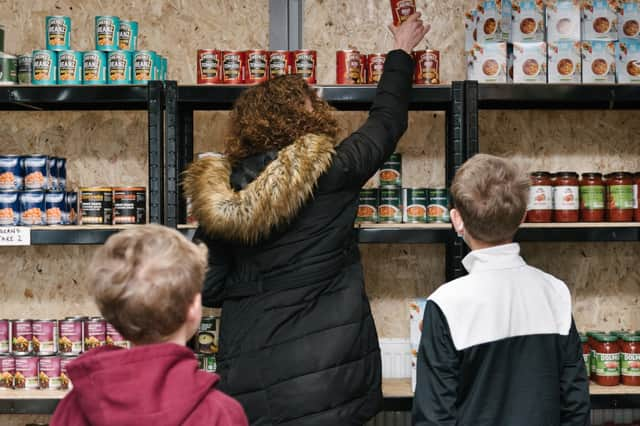
“We encourage people to shop here first, then use the savings to buy anything else they need elsewhere. It just relieves some of that financial pressure.
“We also run cooking courses to teach people how to use fresh ingredients and make healthy meals at a fraction of the cost of ready meals or takeaways. We’ve had people come in with no basic cooking skills at all and we’re helping them learn how to cook proper meals for their families.
“We run ‘Toasty Tuesday’ every week. It started as a warm space initiative, but we’ve kept it going. It’s completely free - soup, toast, pastries, sometimes even full meals. People can come in, sit down, have a chat, and feel part of a safe and welcoming environment. For some, it’s their only social contact during the week.”
“It’s one of our busiest days - people try the food and then come back to buy the ingredients to make it themselves.”
With demand continuing to rise, the scheme is positioning itself as a long-term solution to food insecurity - not just emergency support, but a sustainable way to help families stay afloat.