
'Waters are still cold' - Fylde coast beachgoers this Easter weekend urged to check conditions carefully

Beachgoers planning visits to the Fylde coast this Easter weekend are being urged to check conditions carefully
With an unsettled forecast expected, visitors heading to popular spots in Blackpool, Fleetwood, St Annes, and Lytham are being reminded of the importance of staying informed, with the Met Office weather app having recently unveiled a new update including enhanced coastal forecasts and safety advice.
Sign up for our Blackpool Gazette retro newsletter - warm nostalgia delivered to your inbox - weekly.
The app now provides detailed forecasts for 500 of the UK’s most visited beaches, including tide times, wave height information and sea conditions. It also offers safety guidance covering rip currents, wind and general beach hazards.
Annie Shuttleworth, a Met Office weather presenter, said: “New features to the Met Office weather app, especially tide times and safety advice complement the existing weather forecast information, giving everyone access to beach safety information and the weather forecast within a single view.
“We have worked with the RNLI - our water safety partner – to provide a range of information that will help all visitors to get the most out of their seaside visit.”
Join our Blackpool Gazette WhatsApp group to get all the top stories delivered straight to your phone
Further features, including sea-surface temperature and hourly wave data, are expected in the coming weeks, helping visitors make safer, more informed decisions along the coast.
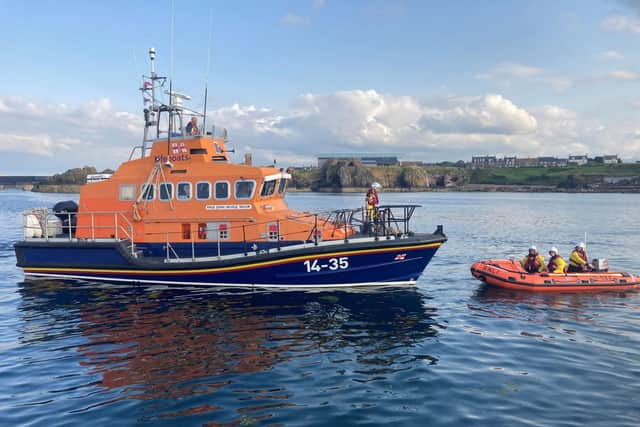

Samantha Hughes, RNLI Water Safety Partner, said: “If you're heading to the coast over the Easter holidays, it’s important to check the weather forecast and be prepared - the air temperatures may be warming up but the water temperatures are still cold.
“With many lifeguards back on the beaches for the holidays choose a lifeguarded beach and if you're planning a swim stay between the red and yellow flags. If you find yourself in difficulty in the water, or see someone struggling, remember float to live. Relax and try to breathe normally.
“Tilt your head back and submerge your ears. Use your hands to help you stay afloat - it's okay if your legs sink, we all float differently. Once your breathing is under control, call for help or swim to safety. In a coastal emergency don't forget to call 999 and ask for the coastguard.”