
Over one third of pregnancies in Blackpool end in abortion, with experts blaming rising cost of living
More than a third of conceptions end in termination, it has been revealed.
The rate of abortions in Blackpool has increased, with the latest figures from the Office for National Statistics (ONS) showing that more than a third (36.3 percent) of conceptions in the resort end in a termination.
The latest figure - which accounts for the year 2023 - is an increase on the previous year, when the rate was just over 30 per cent. The ONS statistics are based on the woman’s estimated date of conception and residence.
Blackpool has the 34th highest rate of abortion in England and Wales according to the figures. Liverpool has the highest percentage of abortions at more than 43 per cent and The Forest of Dean the lowest at 19.9 per cent.
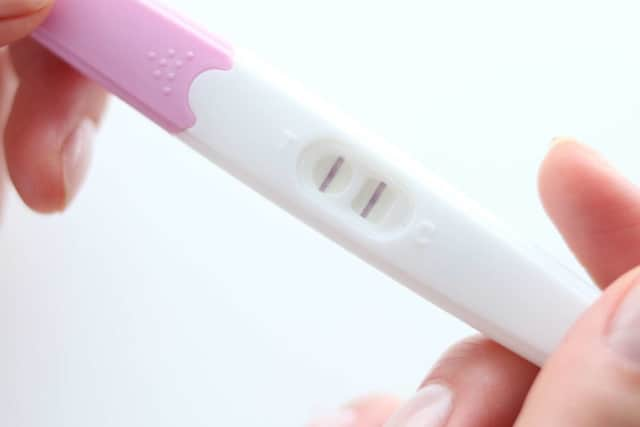

JSNA Blackpool (Joint Strategic Needs Assessment) is a group which identifies the future health, care and wellbeing needs of local residents. The group has carried out studies to determine why women in the resort are more at risk of an unintended pregnancy.
JSNA quote statistics from the Department of Health’s research that show the number of abortions in Blackpool was 714, up from 619 in 2021.
This accounted for 27.5 per 1,000 women aged 15-44, considerably higher than the England average of 20.7. The research also noted the rates of abortions had been increasing since 2016 and rising faster than the national average.
More than a third (38 per cent) of abortions in Blackpool are to women aged under 25, this compares to 36 per cent nationally. The under 18 abortion rate, was also higher than the England average.

All the latest news and top stories from across Blackpool and the Fylde coast directly to your phone.
Never miss a thing. Click here to join
When the increase in the abortion was announced in 2020, Judith Mills, consultant in public health for Blackpool Council said: “Abortion rates continue to increase, as in the rest of the country, but it is an area where we need to refocus our efforts.”
She called for improvements to services encouraging the use of contraception. Ms Mills said access to contraception needed to be “totally embedded” in the process when a women chose to have a termination.
However, five years the abortion rate continues to increase and a number of factors such as poverty and the rising cost of living have been blamed.
Enjoy unlimited access to local news, the latest football stories and new puzzles every day
With a digital subscription, you can see fewer ads, enjoy faster load times, and get access to exclusive newsletters and content. Click here to subscribe
‘High-quality abortion care is essential’
Dr Alison Wright, President of the Royal College of Obstetricians and Gynaecologists said: “This new data highlights how access to high-quality abortion care is essential for women’s health and reproductive autonomy.
“There is likely to be a range of factors behind the rise in abortion rates over recent years. Economic pressure and the rising cost of living are shaping women’s reproductive choices, with many choosing to delay or have smaller families.
“At the same time, overstretched GP and sexual health services are making it harder for many women - particularly in more deprived communities - to access contraception when they need it, increasing the risk of unplanned pregnancy.
“Taking both medications at home remains the most common method of abortion, indicating that the telemedicine pathway is working as intended by enabling women to access safe, regulated care earlier.
“Telemedicine removes practical barriers for women who may otherwise struggle to attend in-person appointments, including those in rural areas, women with disabilities, and those experiencing coercion or abuse.”