
'Disastrous tax': Blackpool hotel boss blasts new Tourist Levy powers

A Blackpool hotelier has slammed the Government’s plan to let regional mayors impose a “tourist tax”, warning the move will pile pressure on an already struggling hospitality sector and leave hotels footing the bill.
Under measures set out in Chancellor Rachel Reeves’ Autumn Budget, mayors across England will be allowed to introduce a “modest” overnight visitor levy on hotel stays, B&Bs, guesthouses and holiday lets.
Ministers say the cash could be reinvested into local transport, infrastructure and the visitor economy.
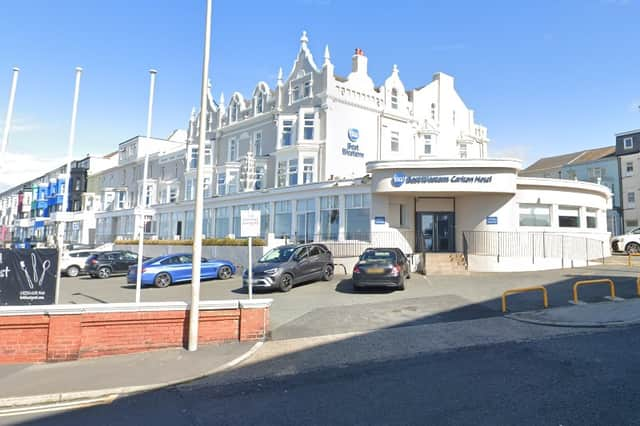

But Paul Callingham, Chairman of Starboard Hotels Ltd, which owns the Best Western Carlton Hotel on Blackpool’s seafront, says the levy would have the opposite effect.
“There was nothing that would seriously adversely affect hospitality during the Chancellor, Rachel Reeves, Autumn Budget speech, but the announcement that the Government will allow local Mayors to impose their own new Tourist Levy’s without any control on how the money is to be spent is disastrous,” he said.
Mr Callingham insists the cost cannot simply be passed on to guests.
He said: “This is a direct tax on hotels.
“We will need to include the levy in our published room rates to comply with the Digital Markets, Competition and Consumers Act 2024.
“Guests will not pay extra as our rates are market driven, but this will be an increased burden on hoteliers at a time when the industry is already under pressure.”
He warned the move could result in “different rates all over the country”, creating operational headaches for hotel groups operating across multiple regions.
Mr Callingham also questioned how effectively the levy could be collected.
“I suspect it will be impossible for the local authorities to collect this Levy from Holiday Let businesses, especially individual Air B&B landlords,” he said.
Support for a tourist tax has grown in major cities, with the mayors of London and Greater Manchester among those pushing for the change.
They argue that funds raised would help improve public spaces, boost transport services and support local tourism infrastructure - similar to established levies in European destinations such as Paris and Milan.
However, the hospitality sector has issued strong warnings.
UKHospitality has described the levy as a “damaging holiday tax”, claiming it could cost the public more than £500 million and risk driving up inflation.
The Bill enabling the new powers is currently progressing through Parliament, with a public consultation expected to run until February 18, 2026.
For businesses on the Fylde coast, the uncertainty is already biting.