
Decision made on Blackpool hotel's ice cream kiosk plans
Proposals by a Blackpool seafront hotel to sell ice cream on its forecourt as part of a beach-themed garden enhancement area have been thrown out by planners.
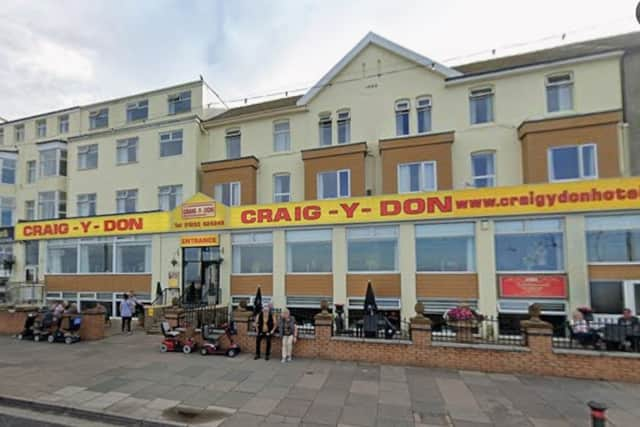
The scheme was planned for the Craig Y Don Hotel at 209-217 Central Promenade, one of the most prominent hotels in Blackpool.
A planning application was submitted to Blackpool Council’s planners for the erection of a seasonal temporary building to the front forecourt for use as ice cream kiosk, ancillary to existing hotel use.
The applicants were applying for a certificate of lawfulness for the proposals instead of planning permission, believing that the kiosk would not constitute ‘development ‘ which is defined as the carrying out of building, engineering, mining, or other operations or the making of any material change in the use of buildings or land.

However, the planning officer decreed that, contrary to what he applicants had been told, the plans did constitute development and planning permission was needed. The application for the certificate of lawfulness was refused.
A supporting statement for the application said: “The structure will be lightweight and removable, ensuring minimal visual or environmental impact.
“It will operate under the hotel’s existing food and beverage licence, forming part of the hotel’s hospitality service rather than functioning as a standalone retail unit.
“While primarily designed to serve hotel residents, we may also allow occasional sales to members of the public visiting the grounds.”
The planning officer stated: “It appears likely that whilst some hotel guests may use the kiosk it is most likely to be used by passing custom who are not hotel guests.
“Proximity to the hotel and operation of the kiosk by the same management and staff as the hotel is not determinative of an ancillary relationship to the hotel.
“As such, it is considered that the operation of the kiosk would represent a material change of use of the land on which it is sited.
“Overall, it is concluded that the proposals would represent development, requiring planning permission. As such, a Certificate of Lawfulness should be refused.”