

We have ranked Blackpool’s neighbourhoods by crime rates - specifically recorded incidents of violent crimes and sexual offences.
The Police UK figures use Lancashire Constabulary’s crime numbers, which break down criminal offences reported in the city into specific areas.
Violent crime and sexual offences include incidents such as violence with and without injury, robbery, public order offences and recorded sexual offences.
While no area is free from crime and recorded figures do not capture every offence, the data provides a snapshot of where violent crime and sexual offences are most concentrated relative to population size.
Blackpool is split into 19 Middle Layer Super Output Areas (MSOAs) - or neighbourhoods - and the figures refer to where the crimes occurred, not where they were reported from.
The data is for the period from December 2024 to November 2025 with the rankings based on the number of recorded offences per 1,000
We have ranked all 19 neighbourhoods in Blackpool, from lowest to highest overall recorded sexual offences and violent crimes.
All photos are for illustrative purposes only and the data does not refer to any individual buildings or streets.
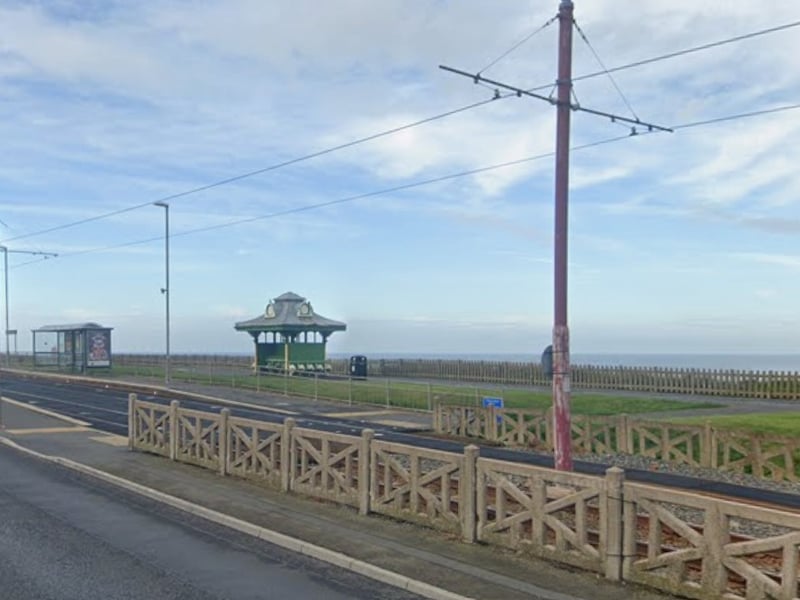
1. Norbreck & Bispham
In the Norbreck & Bispham area, there were were 26.7 recorded violent crimes or sexual offences per 1,000 residents. | Google Maps
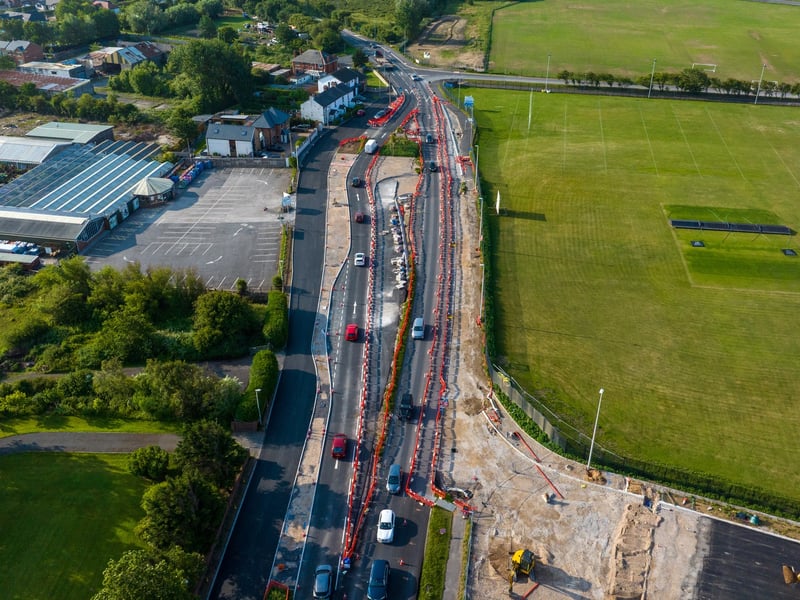
2. Common Edge
In the Common Edge area, there were were 29.6 recorded violent crimes or sexual offences per 1,000 residents. | Blackpool Council
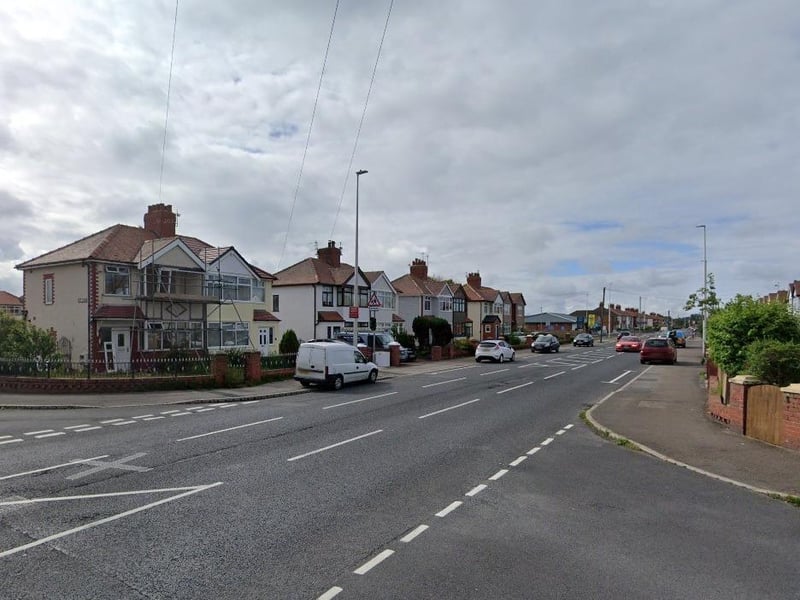
3. Little Bispham & Anchorsholme
In the Little Bispham & Anchorsholme area, there were were 30.5 recorded violent crimes or sexual offences per 1,000 residents. Photo: Google
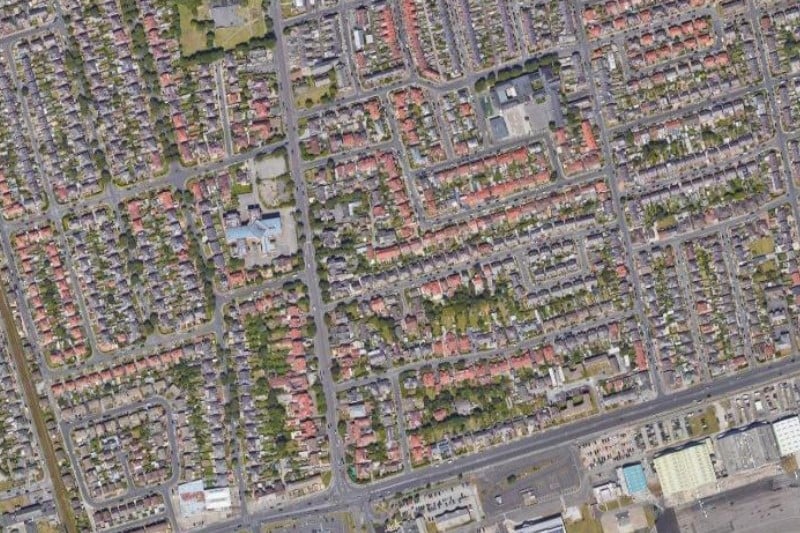
4. Squires Gate
In the Squires Gate area, there were were 31.1 recorded violent crimes or sexual offences per 1,000 residents. | Google
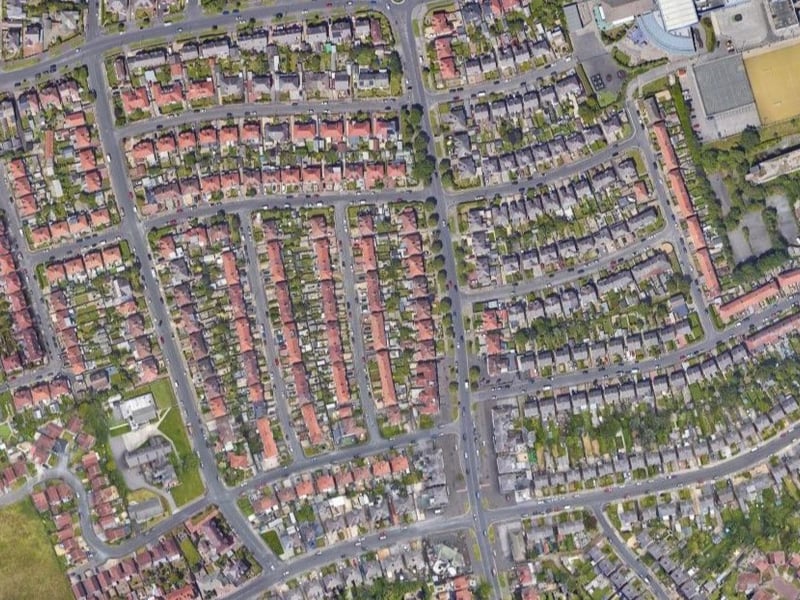
5. Hoohill
In the Hoohill area, there were were 36 recorded violent crimes or sexual offences per 1,000 residents. | Google
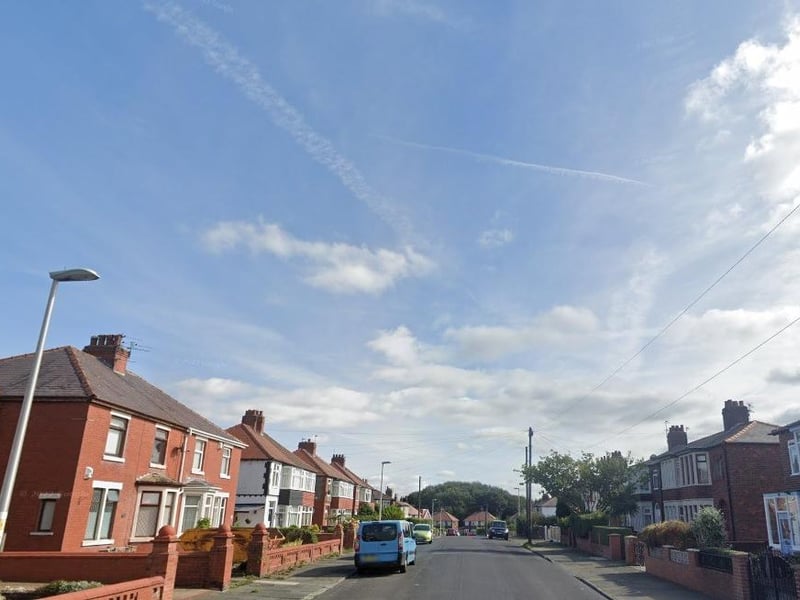
6. Warbreck & Bispham Road
In the Warbreck & Bispham Road area, there were were 37.3 recorded violent crimes or sexual offences per 1,000 residents. Photo: Google