
60 residents in Thornton call in Leigh Day solicitors over cancer fears from former ICI plant comination

More than 60 residents in Thornton have sought help from legal experts over fears the land their homes stand on are contaminated by cancer-causing toxins.
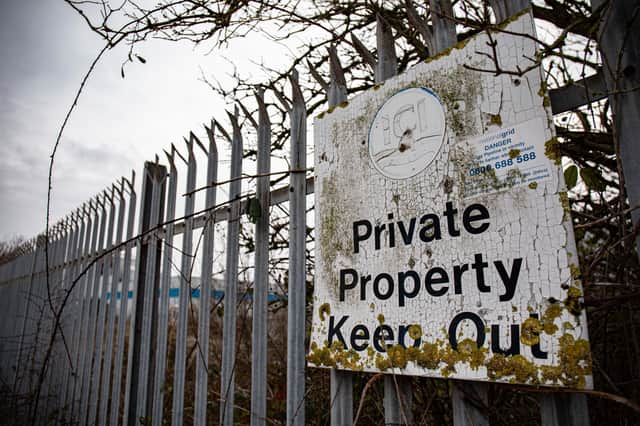
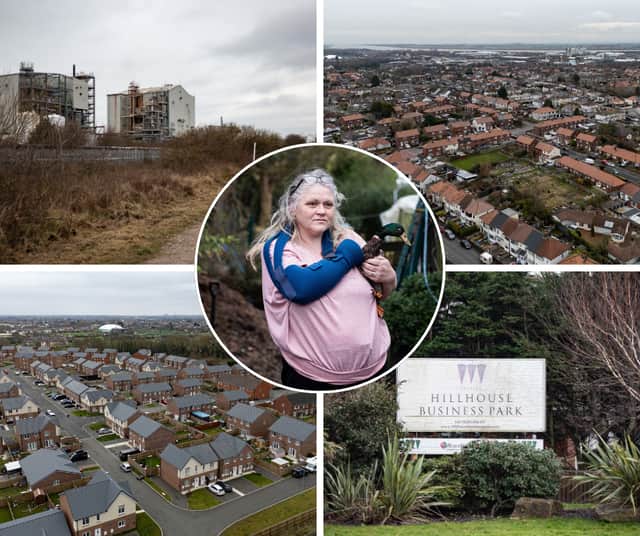
Hundreds of households within a one kilometre radius of the former ICI plant at Thornton, have been warned their gardens could be contaminated with deadly 'forever chemicals'.
Tests have shown that PFOA (Perfluorooctanoic Acid) - chemicals often used to coat non-stick pans - has been found in the soil of 71 properties surrounding the plant.
But it is believed a total of around 250 properties are at 'high risk', according to Wyre Council Leader Michael Vincent.

PFOA is known to accumulate in blood and can cause cancer, immune system disorders as well as high, bad cholesterol.
Now a group of around 60 residents are considering taking legal action over the pollution with the help of environmental legal firm, Leigh Day.
Concerns mainly focus on how the contamination has affected their health and the impact it has had on house prices in the area.
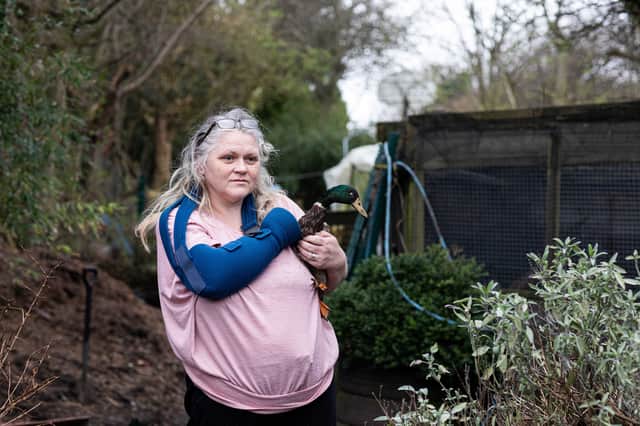
One resident has revealed how she suffered a sudden and unexplained stroke having eaten eggs, fruit, and vegetables from her garden for more than a decade.
Sam Linacre-Hammond, 48, actively grew fruit and vegetables like potatoes, tomatoes, and strawberries, as well as homed hens, and ducks that laid eggs which her family ate.
Samantha suffered a cryptogenic - or unexplained - stroke in 2020, which she puts down to the consumption of toxic food.
The mum-of-four said: "It makes me angry and guilty for poisoning my children for all of these years.
"We would eat two eggs a day each, which we would have in sandwiches or use while baking and the veggies were used in most dinners.
"I used the area a lot with my children, now it is abandoned, we don't dare go on it anymore.
"I was fit, healthy, and a low risk for something like this to happen.
"The only thing doctors said that could have caused it was high cholesterol.
"I have never suffered from high cholesterol ever and now I'm on two medications to keep it down.
"There are a lot of unanswered questions but I think it is the poison."
Sam bought an eighth-of-an-acre piece of land next door to her house - which sits around 400 metres from the former Thornton ICI plant - from Wyre Council in 2011.
Last month, Wyre Council said scientists sampled eggs from a small number of domestic poultry keepers within 0.6 miles (1km) of the former ICI site.
The Food Standards Agency told Sam that eating just one of her duck eggs would go over the safe weekly limit - though she revealed she stopped eating them a year ago when she was first warned.
The neighbouring allotment next to her land on Occupation Road has since been closed by the council after meeting the statutory criteria for formal classification as “Contaminated Land" and any ingestion of food from the land could cause "harm to health".
The Food Standards Agency said this is because people who eat "large quantities of vegetables on a daily basis from Occupation Road Allotments are likely to be increasing their exposure to PFAS".
A multi-agency investigation, including the council and the Environment Agency (EA), into the contamination by PFOA (Perfluorooctanoic Acid) from the ICI site was launched in 2024.
PFOA is in the same family as PFAS (Per- and Poly-Fluorinated Substances) also known as “forever chemicals”.
According to charity CHEM Trust, almost everyone has chemicals from the PFAS family in their body, however high levels pose serious health risks.
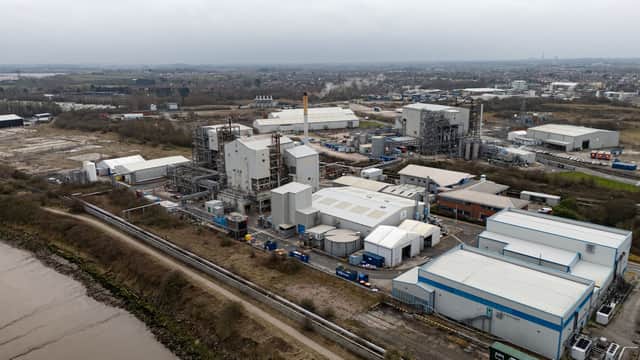
The investigation came after EA obtained information indicating historic emissions of PFOA from the ICI site, which is now AGC Chemicals Europe Ltd.
It is believed the ICI factory had been pumping PFOA into the air from the 1950s, up until 2012 when it was phased out.
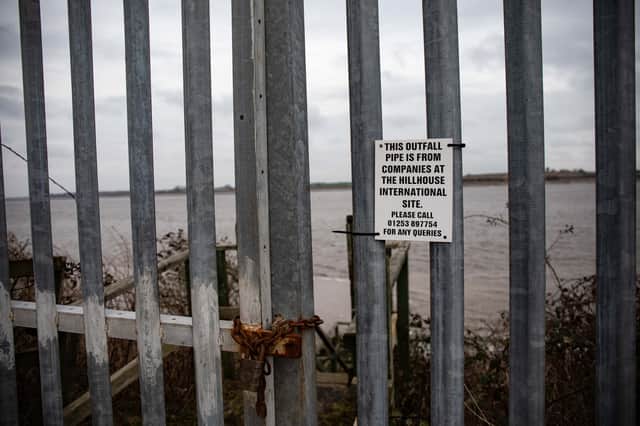
At the time, the substance was in line with UK legislation - but it was later classified as a carcinogenic (cancer-causing).
In 2024, the council sent letters to residents warning them not to eat anything from their ground.
Though initial guidance given was to wash and peel any produce they are growing to remove any potentially contaminated soil or dust.
Three phases of soil testing to determine the level of risk have since been conducted.
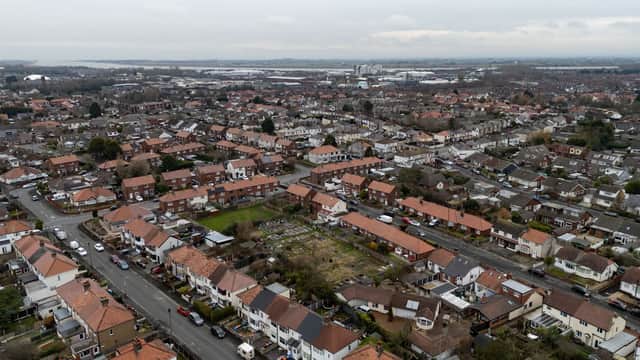
Last year it was revealed that all allotment soil samples near the site reported detectable PFOA concentrations, with a maximum of 20.2µg/kg and an average of 5.92µg/kg.
This greatly exceeds the precautionary screening value of 1.4µg/kg by almost five times.
Further samples were taken from 63 locations within 500m of the AGC facility, including gardens.
Of the 291 soil samples obtained 287 (99%) indicating elevated PFOA with a maximum value of 144µg/kg (average 4.18µg/kg), compared to a screening threshold of 7.6ug/kg for gardens where vegetables are grown.
The summary states that “The results paint a picture of sporadic contamination, indicating zones of ‘higher’ and ‘lower’ risk”.
So far soil samples from 71 properties showed the presence of PFOA near the site though some of the properties affected have been built on parts of the old ICI location.
While no action was deemed necessary in the majority of cases, seven "high risk" properties require further investigation one of which was Sam's.

Wyre Council Leader Michael Vincent says residents have ‘a right to be upset'.
He said: "I feel their frustration, and residents need answers.
"I don't have an exact number of properties to hand for the 1km zone, but there are around 1,000 in total.
"The higher risk area is to the South / South West of the site. I'd say it was no more than 250 in the high-risk area.
"We have test results back from 71 properties within the 1km zone as part of phase 3.
"Of those, 7 are considered higher risk and need further investigation. The other 64 will not need any further investigation but the 7 will.
"The EA and partner agencies are currently planning phase 4 and the council want to be sure it's done in a way that means every household in the gets a safe, reliable answer regarding contaminated land.
"We are committed, and our focus is to get this resolved urgently so the cleanup can begin.
"Our investigation is separate from any health-related inquiries, something I know residents are also worried about.
"I understand there has been talk of legal action, and my advice is that residents should be taking correct legal advice if there is a genuine claim."
Cllr Vincent gave no time estimation for when any clean-up action may take place.
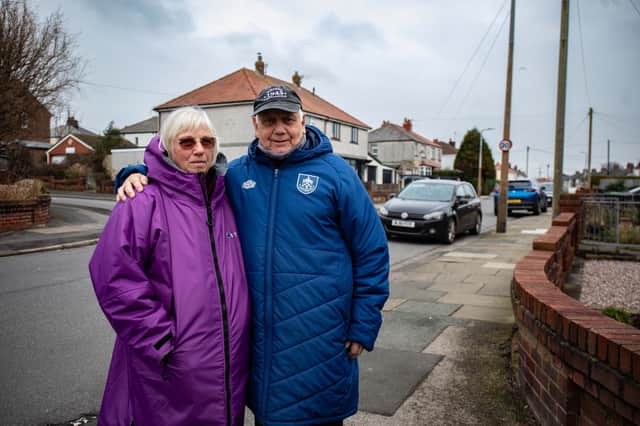
Retired couple Frank, 80, and Marlowe Howarth, 72, who live over a mile south of the plant on Rosendale Avenue, said it 'wasn't nice' to receive the letters, but they don't believe it has affected them.
It comes as an allotment on neighbouring street, Sandringham Avenue, has also been closed by the council as a precaution following the results from Occupation Road.
Frank said: "We live a distance away, but it hasn't been nice to receive those letters in the post, especially the thought of knowing it may have spread this far.
"We think the council were just being cautious about sharing the letters with us, we still eat apples from neighbours garden in the summer."
According to the Wyre Council no other areas of land apart from Occupation Road in either public or private ownership, have been designated as contaminated under Part 2A of the Environmental Protection Act 1990.
This is the legislation that establishes a legal framework for dealing with contaminated land in England, according to the government.
Wyre Council has constantly said that it is supporting residents affected by the pollution.
A spokesperson for AGC Chemicals Europe said they have since opened their own voluntary on-site investigation into the contamination, and it is their 'highest priority' to support the affected community.
The EA say they are supporting the multi-agency response.
A spokesman for the multi-agency group involved in the investigation said: “The investigation has now reached a challenging stage where we have gathered important data, but this information must undergo thorough scientific interpretation before we can answer the questions we know the community will have.
"Throughout this process, we have made transparency with the community our priority and we will continue to share updates as soon as we receive further information.”
Leigh Day partner Sarah Moore, who leads the firm's investigations over PFAS pollution, said they are investigating the possibility of legal action on behalf of residents in Thornton-Cleveleys.
She said: "So far, around 60 residents have contacted us about a range of issues, including possible health impacts and the potential reduction of property value.”