
'A huge milestone' - Blackpool Zoo officially opens new £500k Kidepo Trail for majestic giraffes

Inspired by the Kidepo Valley in Uganda, the Trail is a nod to Blackpool Zoo’s long-standing commitment to the Nubian giraffe and wider conservation work supported through the Giraffe Conservation Foundation.
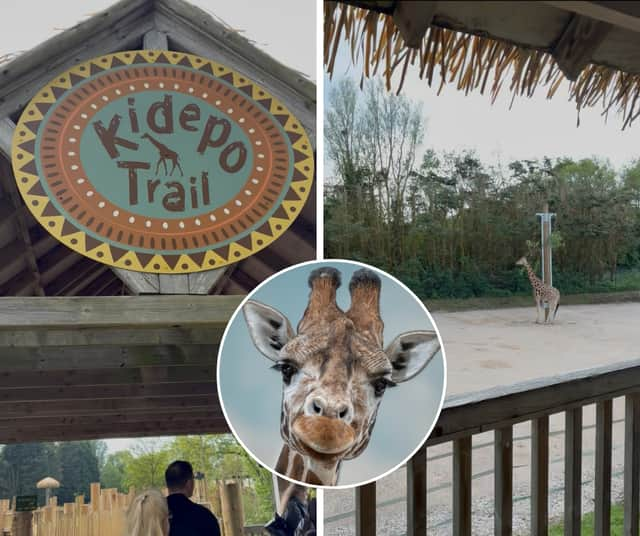
Blackpool Zoo has officially opened its new £500,000 Kidepo Trail development at Giraffe Heights as part of its ongoing investment in immersive and conservation-led habitats.
The new development triples the size of the existing outdoor habitat for giraffes Lily and Olympia and enhances the visitor experience through an extended elevated walkway and improved viewing areas.


Inspired by the Kidepo Valley in Uganda, the Trail is a nod to Blackpool Zoo’s long-standing commitment to the Nubian giraffe and wider conservation work supported through the Giraffe Conservation Foundation.
As a dedicated supporter of the Nubian Giraffe Conservation Project Blackpool Zoo has donated more than £10,000 to date, with further fundraising planned.
The new habitat has been designed to offer an immersive environment featuring African savannah soundscapes, safari-style viewing points and educational interpretation throughout the trail.
A purpose-built antelope stable at the opposite end of the extended paddock will also provide a new home for the zoo’s sitatunga herd. Also native to Africa, the sitatunga will share the habitat with the giraffes.

Visitors can learn all about the animals with lots of weird and wonderful facts along the trail. Who knew that giraffes only need between five and 30 minutes sleep a day or that the skin on their legs squeezes like tight socks to push blood back to their hearts, which NASA actuallycopied to make space suits.
Sitatunga insights include that they are crepuscular, which means that they are most active at dusk and dawn, and that they have banana shape hooves, a bit like snow shoes, to stop them sinking in their swampy surroundings.
All the latest news and top stories from across Blackpool and the Fylde coast directly to your phone
Never miss a thing. Click here to join
Adam Kenyon, Section Head at Blackpool Zoo, said: “It has been fantastic to see this investment take shape and it marks a huge milestone in our ongoing commitment to the care of these majestic animals.
“We are long-term supporters of the Nubian Giraffe Conservation Project and have donated more than £10,000 to their efforts, with more fundraising planned for this year, so the name has real meaning for us.
“This exciting development represents a new era for giraffes and sitatunga at Blackpool Zoo, and the immersive savannah setting means visitors can enjoy a truly African-inspired experience.”
The opening of Kidepo Trail forms part of Blackpool Zoo’s continued investment in enhancing animal welfare and delivering engaging, educational experiences that connect visitors with wildlife and global conservation efforts.

Blackpool Zoo
Blackpool Zoo is owned by Parques Reunidos, the second largest European leisure parks operator and a leading world-wide player. The zoo is home to over 1,000 mammals, birds, reptiles and invertebrates set amidst thirty-seven acres of mature woodland and lakes.
The zoo's signature animals include elephants, giraffes, big cats, gorillas, orangutans, sea lions, primates, zebras and kangaroos. It is open every day of the year, apart from Christmas Day, from 10am. For more information visit www.blackpoolzoo.org.uk
Blackpool Zoo is a member of The British and Irish Association of Zoos and Aquariums (BIAZA), which is a conservation, education and wildlife charity, representing over 100 of the best zoos and aquariums in Britain and Ireland.
BIAZA collections have global impact, participating in over 800 conservation projects, 1,400 research projects and contributing more than £24 million a year to field conservation. With over 30 million visitors being welcomed annually, BIAZA zoos and aquariums are recognised as offering a fun and safe way to learn about animals and together they deliver formal education sessions to more than 1 million students.